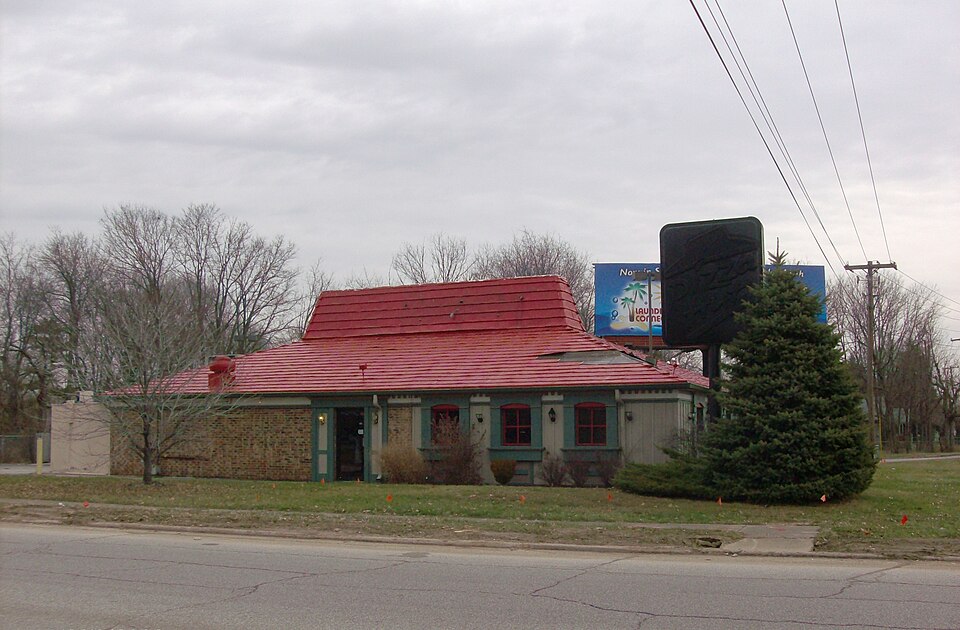
A Pizza Hut in Irwin, Pennsylvania still displays faded outdoor murals of the Teenage Mutant Ninja Turtles and New Kids on the Block. Hundreds of other Pizza Hut locations across the United States have closed. This one has not, and locals have responded to it with an unusual degree of affection. According to Phys.org, a marketing researcher at Carnegie Mellon University says the reaction reveals something more layered than simple nostalgia.
The researcher, an associate professor of marketing at Carnegie Mellon who studies consumer behavior and the psychology of decision-making, has spent years examining why some products continue to matter long after their usefulness has faded. The Irwin Pizza Hut, she argues, is a useful example of how emotional attachment to a place works, and why the standard explanation of nostalgia does not fully cover it.
Nostalgia, as researchers have defined it, is a desire to psychologically revisit an earlier period of life. Companies have used that impulse for decades. In 2018, Pepsi recreated its iconic 1992 Cindy Crawford commercial. Over the past decade, the soft drink company has also periodically rereleased Crystal Pepsi, which it had discontinued in 1994, on a limited-time basis. Burger King resurrected its 1990s-era logo in 2021. Researchers have argued that marketing the past has become a defining feature of contemporary branding.
But the Carnegie Mellon researcher draws a distinction. Most people thinking fondly of the Irwin Pizza Hut, she argues, are not actually wishing it were 1995 again or longing to repeat middle school. What they are remembering is birthday parties, family dinners, and time spent with people they cared about. The building is not the object of the feeling. It is a carrier of associations.
Her own research suggests that people often value products, brands, and places because those things have become connected to important people or meaningful life events. A concert ticket might remind someone of a first date. A sweatshirt might carry the memory of a college graduation. A neighborhood restaurant might invoke weekly dinners with family. The emotional value, she argues, does not come from the objects or places themselves, but from what they have come to represent.
Studies she conducted with colleagues found that sentimental value changes how people experience products over time. Most products become less exciting as people adapt to them. Sentimental objects and places tend to work differently, holding or even gaining emotional weight as the associations attached to them deepen.
This framework, she says, helps explain why the Irwin Pizza Hut attracts attention and affection even from people who no longer eat there regularly. The building is not delivering a product people still depend on. It is functioning as a kind of anchor for personal history. Its value is relational, not transactional.
The broader implication for marketers and businesses is that longevity and physical consistency can generate a form of loyalty that has little to do with the quality of the current product. People may advocate for a place, or resist its closure, not because they use it but because losing it would feel like losing access to a piece of their own past.
The Pizza Hut in Irwin continues to operate. Its murals remain faded. Sales at the broader Pizza Hut chain have declined over the years, but this particular location continues to draw attention from people who grew up nearby, as well as from researchers trying to understand what holds human beings to the places and things of their earlier lives.