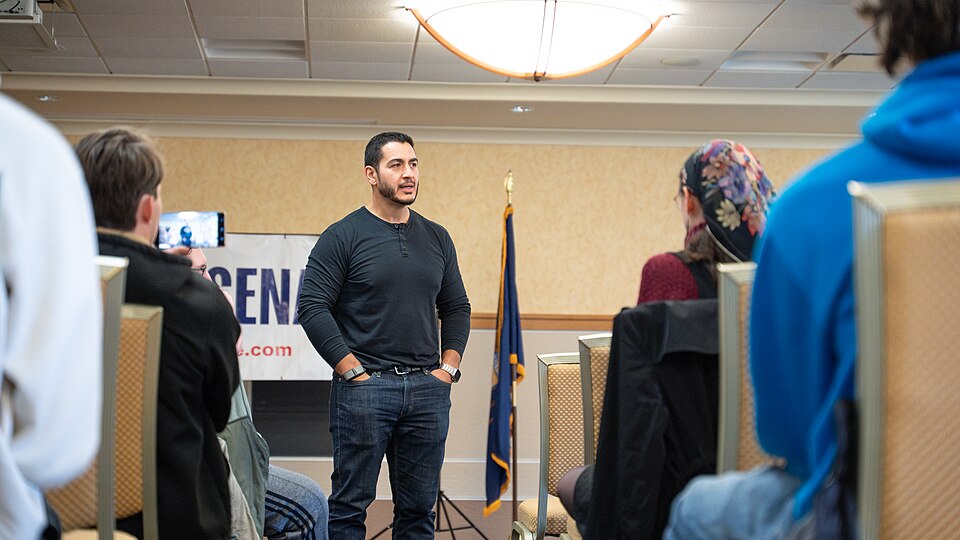
Michigan's Democratic Senate primary remained unresolved Wednesday as vote counting continued, with progressive candidate Abdul El-Sayed clinging to a narrow lead over moderate Congresswoman Haley Stevens.
The race has been watched closely by both parties. The winner will face Republican Representative Mike Rogers in November in a swing state that Democrats see as essential to retaking control of the Senate. According to reporting from NPR and the New York Times, the contest is still too close to call.
The primary reflects a broader tension within the Democratic Party about which direction to take heading into the midterms. NPR's Tamara Keith noted that the mood among Democratic voters has shifted considerably since the 2018 midterms, when moderate candidates were widely seen as the path forward. This time, she said, Democratic primary voters are placing more blame on their own party for President Trump's return to the White House.
Keith added that the party faces significant repair work regardless of who ultimately wins in Michigan. The primary fight has grown bitter enough that some voters on both sides have said they are unwilling to support the opposing candidate in November, a dynamic that could complicate the general election race against Rogers.
El-Sayed, a physician and former candidate for Michigan governor, ran on a progressive platform. Stevens, a sitting member of Congress, positioned herself as a pragmatic moderate capable of winning in a competitive state.
Results from Tuesday's primaries also came in from Kansas, Missouri, Virginia, and Washington, though Michigan drew the most national attention given the competitiveness of the Senate seat and the ideological stakes of the matchup.