The United States has burned through most of its long-range attack missiles fighting the war with Iran, and the stockpile of a key air defense weapon has dropped by two-thirds, raising concerns about American vulnerability in future conflicts.
NPR confirmed the depletion, citing a U.S. official who spoke on the condition of anonymity because they were not authorized to speak publicly. The official said precision missiles including PrSMs and ATCAMs are nearly exhausted. Both weapons can strike targets from hundreds of miles away, allowing American forces to attack without putting pilots near enemy fire.
Senior military officials told NPR that the U.S. currently has enough offensive weapons to meet immediate needs. But the longer-term picture is more troubling. These precision missiles take years to manufacture and replace, meaning the current shortfall could leave the country exposed if another conflict breaks out before stockpiles are rebuilt.
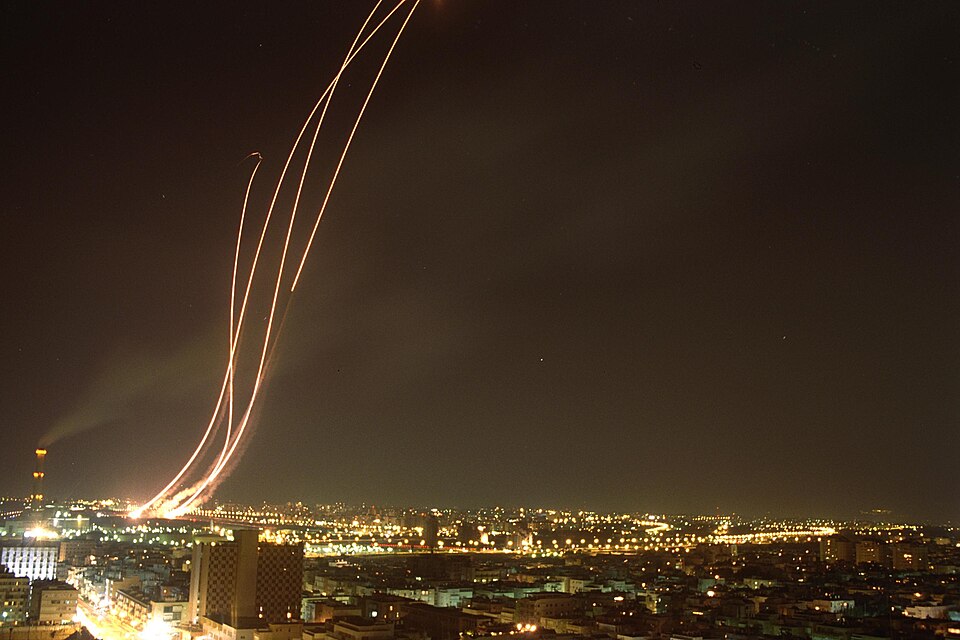
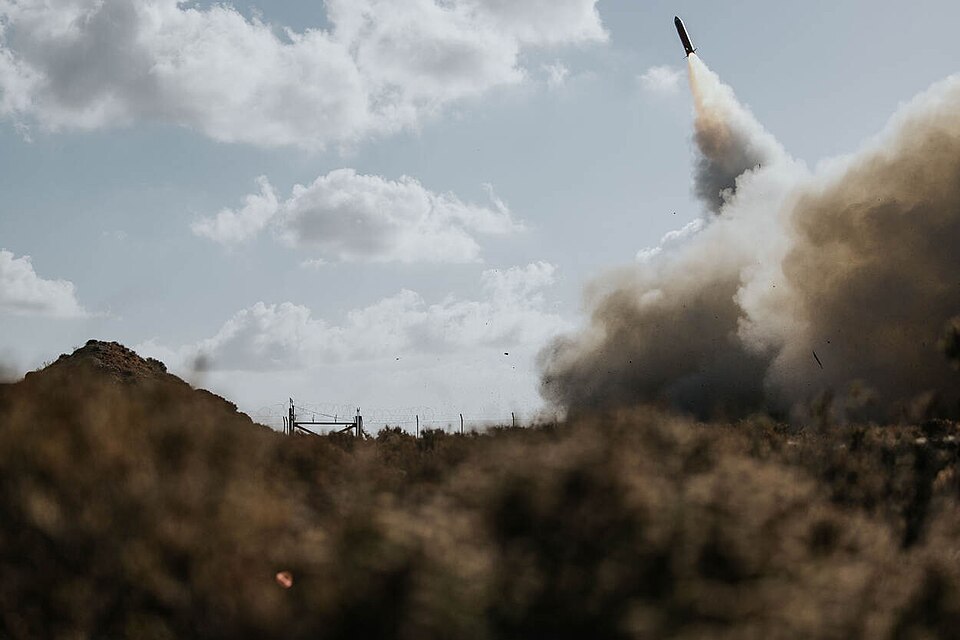
The situation with Patriot interceptors is similarly strained. The Patriots are the primary tool the U.S. uses to shoot down drones and missiles in the Middle East. According to a report by the Center for Strategic and International Studies, the U.S. Patriot stockpile has shrunk by two-thirds since the war began. Each Patriot missile costs around $4 million, and production cannot be quickly scaled up.
The shortage reaches beyond U.S. forces. Ukraine is currently facing an urgent need for a fresh supply of Patriots to defend itself against Russia. With American stockpiles already depleted by the Iran conflict, meeting that demand will be difficult.
NPR's Kat Lonsdorf told the Up First podcast that despite the shortages, military officials are not sounding an immediate alarm about current operational capacity. The concern is what happens next, particularly in a world where the U.S. could face overlapping security demands across multiple theaters at the same time.