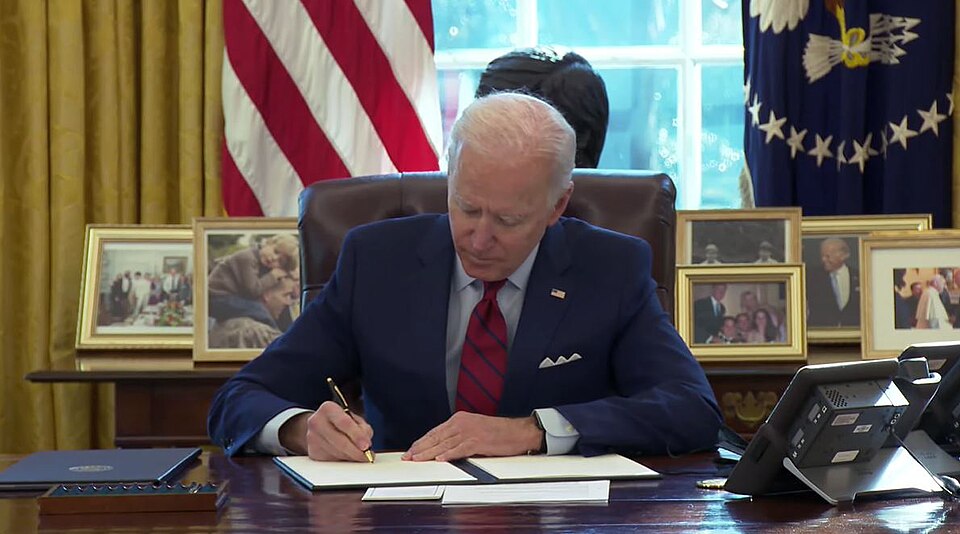
President Donald Trump signed two new executive actions Thursday aimed at limiting who can become a U.S. citizen at birth, returning to a legal fight he lost at the Supreme Court just two months ago.
According to NPR, Trump said one order would limit the number of people eligible for citizenship after being born in the United States. A second order targets what Trump called "birth tourism," increasing restrictions on visitors who seek visas to the U.S. specifically to give birth here. Trump said he believed his latest actions would be constitutional, though additional details on the specific legal mechanisms were not provided.
The move comes after the Supreme Court struck down Trump's first birthright citizenship order in June by a 6-3 vote. That earlier order, signed on Trump's first day back in office, declared that children born in the United States to parents who were in the country illegally or on temporary visas would not automatically receive citizenship. Opponents immediately sued, arguing the order violated the 14th Amendment, which was adopted after the Civil War and grants citizenship to anyone born on U.S. soil, with very limited exceptions. Multiple lower courts blocked that order before the Supreme Court ultimately rejected it.
The Guardian and other outlets reported Thursday that the new executive orders represent Trump's latest attempt to reshape the legal boundaries of birthright citizenship through executive action, even after the Court's ruling. The 6-3 decision was close enough that some legal observers and immigration advocates expressed concern that the broader legal question was not as settled as many had assumed.
Trump's first-term and second-term efforts on this issue have consistently run into constitutional challenges. The 14th Amendment has been interpreted for well over a century to grant citizenship to nearly anyone born on American soil, regardless of the immigration status of their parents. Critics of the new orders are expected to mount fresh legal challenges.
The Supreme Court has not signaled any willingness to revisit the question in the near term. Whether the new orders differ enough from the rejected version to survive court scrutiny remains to be seen as legal proceedings unfold.