

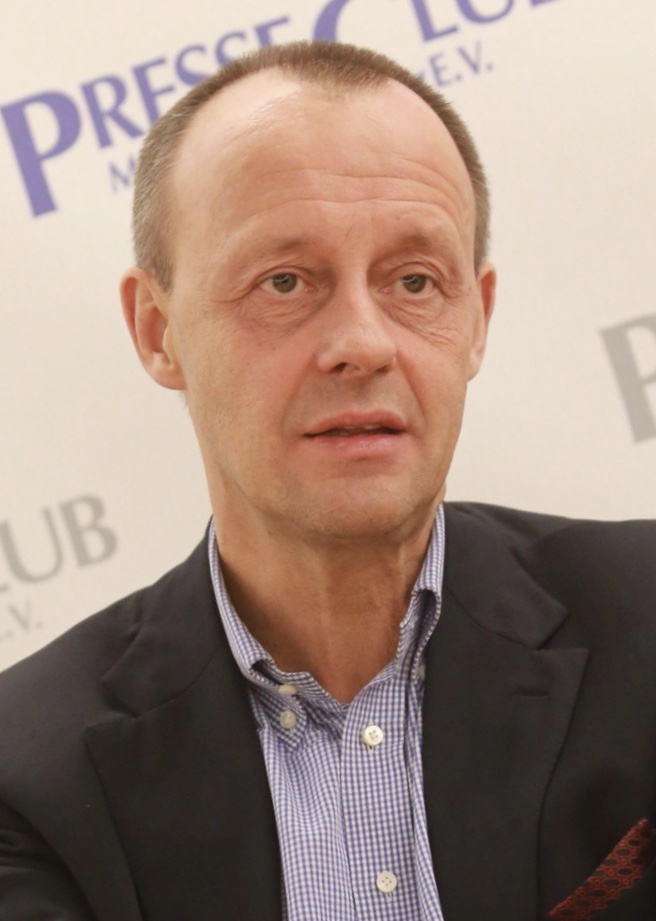
German Chancellor Friedrich Merz stood firm in his commitment to continue economic reforms even after his party suffered major setbacks in two state elections. At the Christian Democratic Union party headquarters in Berlin, Merz addressed reporters following projections showing support for his party at about five percent in Mecklenburg-Western Pomerania. This marked the lowest result recorded for the CDU in any state election since 1949.
The Alternative for Germany party made significant gains in Mecklenburg-Western Pomerania and Berlin. Merz called the outcome a "disaster" but emphasized that he would not retreat from his government’s reform plans.
He argued that difficult changes were necessary to address Germany's economic and political challenges. Merz’s authority had already been damaged by a previous loss in Saxony-Anhalt, where AfD made strong gains.
The chancellor, now 70 years old, took office 16 months ago with promises to revitalize an economy that had barely grown in recent years.
Germany’s labor market has also remained weak. The country averaged 2.948 million unemployed people in 2025. The monthly total rose above three million again in 2026, including 3.007 million in July.
Merz has repeatedly said he will finish his term as chancellor despite the difficult political environment. He canceled a planned trip to New York for the UN General Assembly before the September 20 elections as political pressure increased at home.
Merz’s leadership is under increasing scrutiny as his party continues to lose ground in regional elections. In Berlin, the CDU finished second with 19.1 percent while the Left Party won with 25.3 percent. In Mecklenburg-Western Pomerania, the AfD finished first while the CDU suffered its worst state result in the postwar era.
Despite these setbacks, Merz insists he will not abandon his reform agenda. The measures under discussion include pension changes, tax cuts and efforts to reduce bureaucracy.
He said the situation requires "backbone, steadfastness, and patience" to carry out necessary changes. Merz has argued that Germany needs structural reforms even when those measures are politically difficult.
The election results add pressure on the chancellor as his government tries to address weak economic growth, employment concerns and growing political fragmentation. Merz has said he intends to continue with those plans rather than changing direction because of the state election setbacks.