

Israeli security officials are investigating allegations that foreign money reached Arab-Israeli political figures during the October 27, 2026, parliamentary election. The investigation has intensified a dispute over the results as Prime Minister Benjamin Netanyahu and opposition leaders compete to form Israel's next government.
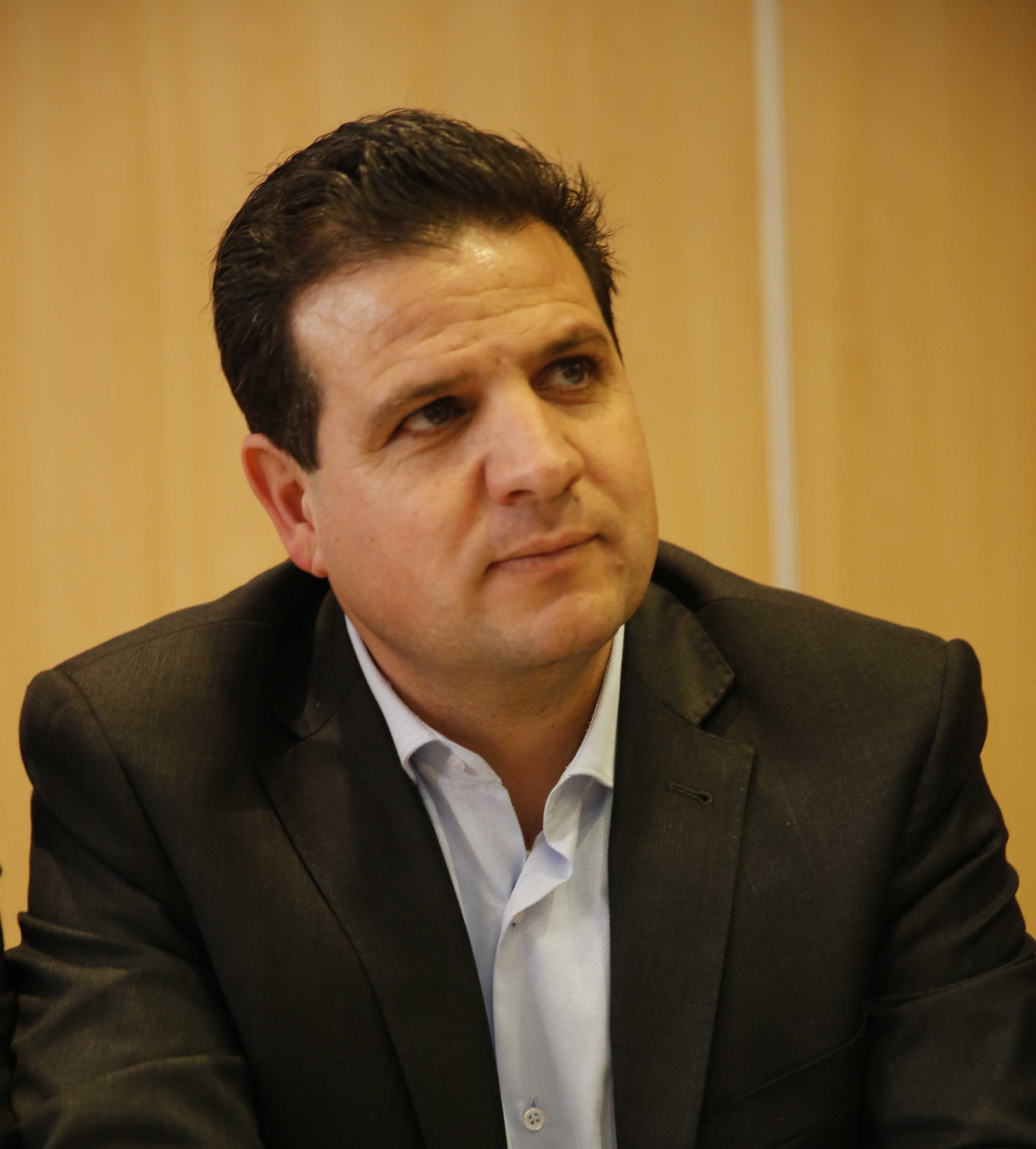
Former Joint List leader Ayman Odeh is among the politicians named in reports about the investigation. However, authorities have not publicly established that he received illegal foreign funding, and Israel's election commission has found no evidence that suspected interference changed the outcome of the vote.
The controversy comes after Netanyahu's governing alliance lost its parliamentary majority. Arab-led parties made substantial gains, potentially giving their lawmakers an important role in determining whether opposition leader Gadi Eisenkot can assemble a government.
Ayman Odeh Named in Foreign Funding Investigation
Israel's Shin Bet domestic security agency is examining allegations that money from foreign sources reached political figures associated with the Joint List. The alliance includes Hadash, Ta'al and Balad, three parties representing a significant portion of Israel's Arab population.
The Jerusalem Post reported on November 4 that a Joint List spokesperson confirmed Odeh was among those suspected of receiving foreign funds. Investigators were examining allegations involving hundreds of thousands of shekels, although the source and intended use of the money had not been publicly established.
Odeh, who previously chaired the Joint List and led Hadash, rejected the allegations. He described the investigation as politically motivated and accused Netanyahu's allies of attempting to undermine the election results.
The allegations remain unproven. No publicly available evidence reviewed for this report establishes that Odeh accepted money from Qatar or another foreign government to influence voting.
Earlier Israeli media reports identified Qatar as a possible source of campaign funding. Investigators have also examined whether money was intended for campaign activities, voter mobilization or other purposes.
However, accounts of the suspected transfers have differed. Some reports described hundreds of thousands of shekels, while others discussed considerably larger amounts without providing supporting documentation.
Qatar has denied allegations that it interfered in Israel's election. Israeli authorities have also acknowledged that the investigation has not established whether the suspected funds originated in Qatar.
Netanyahu Challenges the Election Results
Netanyahu and members of his Likud party have raised allegations of foreign interference since the October 27 vote. They claim outside interests may have attempted to influence voting in Arab communities and affect the balance of political power.
The prime minister's allies have connected the allegations to the unexpectedly strong performance of Arab-led parties. Those parties could provide the parliamentary support needed to replace Netanyahu's government.
However, the Central Elections Committee has rejected claims that the election results were compromised. On November 4, the committee announced that an examination covering 9,069 polling stations found no irregularities indicating that the results had been altered.
Committee chairman Noam Sohlberg warned that unsupported challenges to election results could damage confidence in Israel's democratic institutions. He emphasized that suspicions should be investigated without treating the entire election as illegitimate.
The Shin Bet investigation is continuing separately from the certification process. Officials have indicated that the allegations under examination do not currently justify overturning the vote.
The dispute also involves a separate police investigation into allegations of vote-buying connected to the Arab-led Ra'am party. Police arrested several suspects after reporting the discovery of cash and election materials, but those allegations have not been established as evidence of widespread election fraud.
Investigators have not publicly demonstrated that the two cases are connected. Treating them as a single coordinated foreign operation would therefore go beyond the available evidence.
Attorney General Questions Requests to Investigate Arab Leaders
The investigation has also prompted disagreement among Israeli law enforcement and legal authorities. Shin Bet chief David Zini reportedly sought authorization to question several senior Arab political leaders as suspects.
Those named in reporting included Ra'am leader Mansour Abbas, Ta'al chairman Ahmad Tibi and Balad leader Sami Abu Shehadeh. Their inclusion in proposed questioning did not establish that they had committed any offense.
Attorney General Gali Baharav-Miara rejected requests to question senior Arab lawmakers without sufficient supporting evidence. According to Israeli media reports, legal officials questioned whether the available intelligence justified expanding the investigation.
The disagreement has raised questions about the boundaries of national security investigations involving elected representatives. Shin Bet officials have maintained that examining suspected foreign interference is necessary, while critics have warned against using security powers without adequate legal grounds.
The Joint List has accused Netanyahu's government of political persecution. Its representatives argue that allegations raised after the election should not be used to discredit Arab voters or prevent their elected lawmakers from participating in government formation.
The investigation itself does not prove political persecution, just as the existence of intelligence reports does not prove illegal foreign financing. Both disputes require evidence beyond statements from the competing political camps.
Arab Parties Could Influence Government Formation
Israel's certified election results leave no political alliance with an outright majority in the 120-member Knesset. Netanyahu's bloc holds 53 seats, while the principal opposition parties hold 48.
The Joint List secured 11 seats, and Ra'am won eight. Together, the Arab-led parties hold 19 seats, giving them a potentially important role in parliamentary negotiations.
A governing majority requires at least 61 seats. Opposition parties could reach that threshold with support from Arab lawmakers, although significant political disagreements make such cooperation complicated.
Senior Joint List lawmaker Ahmad Tibi has expressed willingness to support a government led by Netanyahu's opponents without formally joining the governing coalition. Such an arrangement could allow Arab lawmakers to support certain parliamentary votes while remaining outside the cabinet.
Eisenkot and other opposition figures have expressed reservations about cooperating with the Joint List. Disagreements over national security, the Israel-Hamas conflict and the political positions of Arab parties remain substantial obstacles.
The Associated Press reported that President Isaac Herzog accepted the certified election results and began consultations on November 4 to determine who should receive the first opportunity to form a government.
Herzog must consult representatives of the parliamentary factions before assigning the task. The candidate selected will need to negotiate support from enough lawmakers to secure a majority.
If negotiations fail, Israel could face another election. The foreign funding investigation is therefore unfolding during a particularly sensitive period for the country's political leadership.
Election Officials Defend the Integrity of the Vote
Israel's Central Elections Committee has stressed the distinction between investigating possible criminal conduct and challenging the legitimacy of an election. Even if authorities eventually substantiate specific funding violations, that would not automatically establish that the national results were invalid.
The committee's examination of 9,069 polling stations was intended to identify discrepancies that could affect the reported outcome. Officials said the review found no evidence of irregularities serious enough to compromise election integrity.
Arab political leaders have argued that accusations directed at their parties risk undermining the political participation of Arab citizens. Civil rights organizations have also raised concerns about voting access and the treatment of Arab voters during the election period.
The human rights organization Adalah documented complaints on election day involving delays, unavailable Arabic-language ballots and alleged police interference. Those complaints concern voting access and should not be confused with the separate allegations of foreign campaign financing.
Investigators still face important unanswered questions about the suspected money transfers. These include the identity of any financial source, whether funds were actually delivered, who controlled them and whether any transactions violated Israeli election laws.
For now, the certified election results stand, and the investigation remains open. President Herzog's coalition consultations will determine the next stage of government formation, while Shin Bet and legal authorities continue examining allegations that have not yet been proven.