

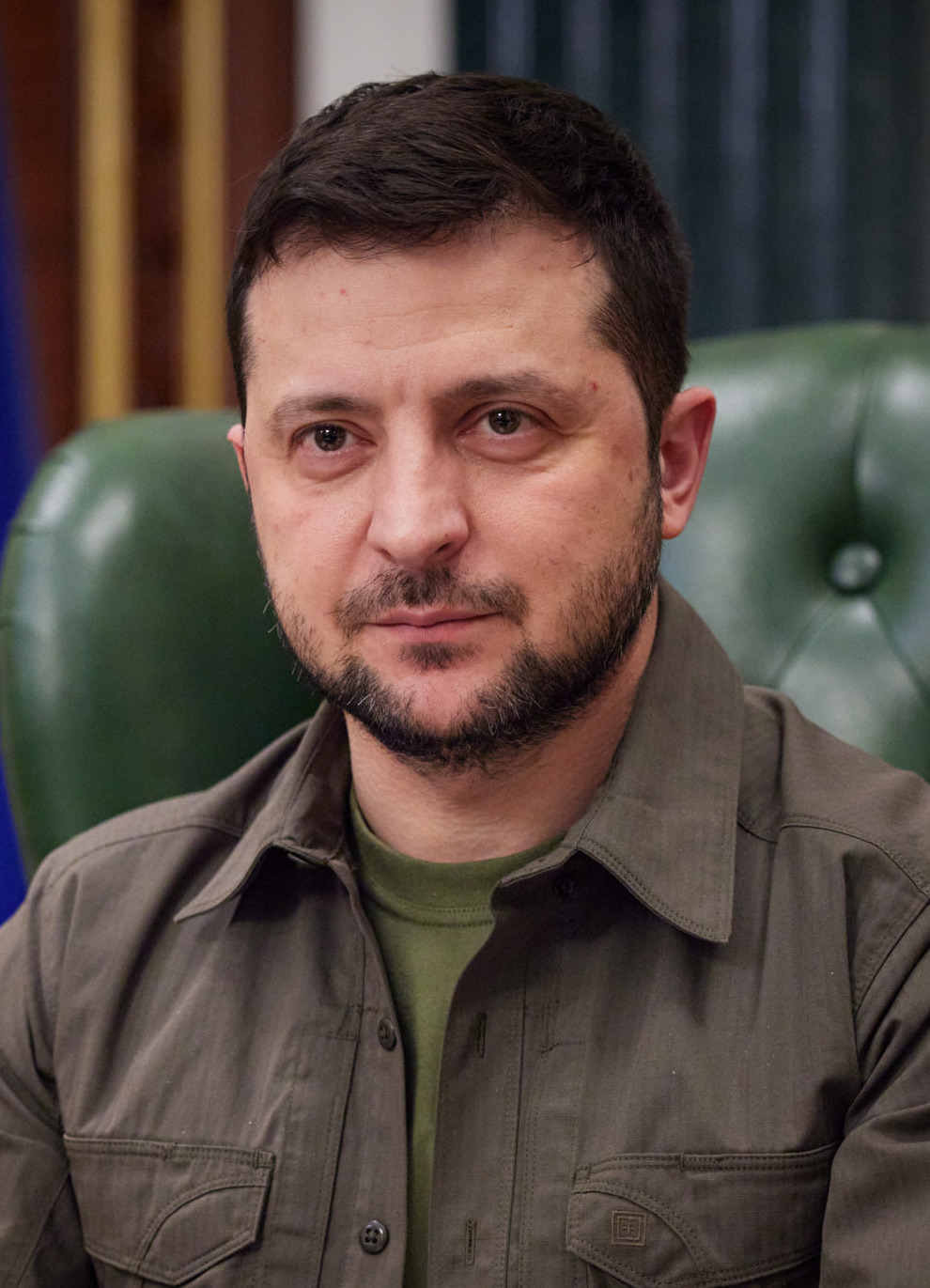
Ukrainian President Volodymyr Zelenskyy has questioned whether Elon Musk acted alone in restricting SpaceX satellite internet services used by Ukraine's military. The October 2026 slowdown disrupted drone operations and air defenses, raising concerns about the country's dependence on privately operated communications during its war with Russia.
In a November 2 interview with PBS NewsHour, Zelenskyy said he did not know who ordered the restrictions. He suggested that U.S. government officials may have participated in decisions involving Starshield, the military-focused satellite system developed by SpaceX for government customers.
The president's comments followed conflicting accounts from SpaceX, the White House and American officials about responsibility for the disruption. Although service has since been restored, questions remain about who authorized the restrictions and why Ukraine was not warned beforehand.
Zelenskyy Questions Possible U.S. Government Involvement
Speaking with PBS journalist Amna Nawaz, Zelenskyy acknowledged that SpaceX possesses the technical ability to reduce or suspend its satellite services. However, he questioned whether Musk could independently restrict Starshield because of its relationship with the U.S. military.
Zelenskyy said he was uncertain about the division of authority between SpaceX and the American government. He suggested the decision could have resulted from discussions involving company representatives and U.S. officials, but did not identify anyone who approved the slowdown.
The Ukrainian leader also acknowledged that Musk might have acted independently. His comments reflected uncertainty about the decision-making process rather than evidence that President Donald Trump personally ordered the restrictions.
Zelenskyy expressed appreciation for the assistance SpaceX has provided since Russia launched its full-scale invasion in February 2022. At the same time, he criticized Musk's public statements about Ukraine and said he wanted to discuss the matter directly with him.
The president confirmed that he had not spoken with Musk since the disruption. He said previous efforts to establish contact after the restrictions had not resulted in a conversation.
Musk Says Ukraine Violated Starlink Rules
Musk offered a different explanation for the service restrictions. On October 24, he acknowledged that SpaceX had limited commercial Starlink access in Ukraine and accused the Ukrainian military of using the network for offensive drone strikes.
The company maintains restrictions on how its commercial satellite network can be used in military operations. Musk argued that employing civilian Starlink services for lethal offensive attacks violated those conditions.
He also drew a distinction between Starlink and Starshield. Commercial Starlink is operated by SpaceX, while Starshield provides specialized capabilities developed for government and national security customers.
Musk said the U.S. government controlled decisions involving Starshield. That statement differed from accounts suggesting he personally directed restrictions affecting military-grade satellite services used by Ukrainian forces.
Ukrainian officials strongly disputed his accusations. Serhii Beskrestnov, a defense technology adviser to Zelenskyy, said existing technical limitations made the alleged use of commercial Starlink for certain offensive drone missions impossible.
Beskrestnov explained that commercial Starlink terminals operating in Ukraine were already subject to movement restrictions of approximately 70 to 90 kilometers per hour. He also said the network did not operate over Russian territory, preventing its use for the types of longer-range strikes described by Musk.
The Associated Press reported that Ukrainian officials rejected the accusation that their military had improperly used commercial Starlink for offensive attacks. The competing claims have not been resolved through publicly available technical evidence.
Satellite Restrictions Disrupted Ukrainian Drone Operations
The controversy began in mid-October when Ukrainian forces reported unexpected connectivity problems involving SpaceX satellite communications. Military units experienced interruptions affecting drones traveling at higher speeds, creating difficulties for both defensive missions and other battlefield operations.
Reuters reported on October 14 that Ukraine's military had encountered restrictions affecting satellite connectivity at speeds above approximately 160 kilometers per hour. Some units experienced temporary signal losses that forced them to cancel missions or change operating procedures.
The disruption was particularly serious for Ukrainian forces defending against Russian aerial attacks. Satellite communications help coordinate reconnaissance, battlefield logistics and drones designed to intercept incoming threats.
Modern drone operations depend on stable connections between equipment and operators. Even brief interruptions can interfere with navigation, targeting information and coordination among military units.
Ukraine has relied on Starlink since the early stages of Russia's full-scale invasion. The satellite network has helped maintain communications despite attacks on infrastructure and attempts to interfere with conventional military communications.
The October restrictions exposed the operational risks of depending on technology controlled by an outside company. Military planners must account for the possibility that access could change because of contractual disagreements, technical adjustments or government decisions.
White House Denies Ordering Restrictions
American officials have repeatedly denied that the Trump administration ordered SpaceX to reduce Ukraine's satellite access. Secretary of State Marco Rubio said the White House had not directed the slowdown and described commercial Starlink decisions as matters for SpaceX.
Defense Secretary Pete Hegseth also characterized the restrictions as an issue involving commercial service conditions. He said SpaceX was responsible for determining whether users complied with its rules.
However, reporting about the decision has presented conflicting accounts. CBS News reported on October 21 that Musk had ordered restrictions after discussions with administration officials about the president's position on the war.
A separate Reuters investigation published October 16 reported that officials at the Defense Department had received instructions originating within the White House to restrict Starshield services. The report cited unnamed American and Western officials familiar with the matter.
Those accounts conflict with public denials from administration officials. Neither the identity of the person who authorized the restrictions nor the full extent of any government involvement has been independently established.
The disagreement has drawn attention from American lawmakers. Democratic Representatives Rosa DeLauro and Betty McCollum requested information from the Pentagon about the interruption and its possible effects on Ukraine's ability to defend itself.
Their concerns reflect a broader question about the relationship between commercial technology providers and national security operations. Satellite services that support military activities can become central to battlefield decisions even when private companies retain substantial operational control.
Service Restored After Days of Uncertainty
By October 24, Ukrainian officials reported that the satellite restrictions had been lifted. Zelenskyy said operating speeds had returned to levels needed for military missions, improving conditions for logistics and drone operations.
ABC News reported that a Ukrainian presidential office source confirmed systems were functioning at speeds above the previous restriction of approximately 161 kilometers per hour. The source initially cautioned that officials could not yet determine whether every capability had returned to its previous condition.
In his November 2 PBS interview, Zelenskyy indicated that the network was functioning again. He nevertheless continued questioning how the restrictions had been imposed and whether a similar interruption could happen in the future.
The restoration reduced the immediate operational disruption but did not settle the dispute between Ukraine and SpaceX. Musk's accusations about offensive military use remain contested, and American officials have offered differing explanations of who controlled the affected services.
Dispute Raises Questions About Military Dependence on SpaceX
The controversy illustrates the difficulties governments face when critical military systems depend on commercial technology. Starlink has provided Ukraine with communication capabilities that would be difficult to replace quickly, particularly during sustained Russian attacks.
Satellite networks offer important advantages over ground-based communications, but they also create dependencies on operators, service agreements and decisions made outside the battlefield. Those dependencies ca