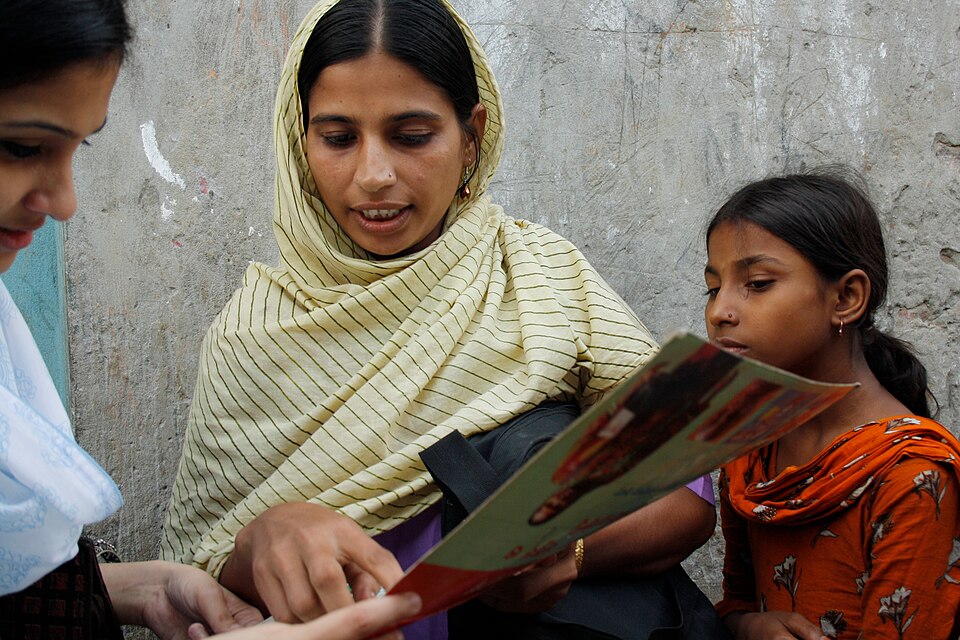
Patients who received social prescriptions, referrals to community groups, volunteer programs, and social activities rather than medication or clinical treatment, were more likely to complete routine health checks than patients who did not, according to a report by Medical Xpress.
The finding is significant because preventive screenings catch diseases early, when they are cheaper and easier to treat. Getting patients to complete those screenings has long been a challenge for primary care providers. Social prescribing appears to bring people back into contact with the health system in ways that standard appointments do not.
Social prescribing is not new, but it has gained traction in the United Kingdom's National Health Service and is being studied in other countries. The model connects patients, usually through a link worker or health navigator, to activities and organizations in their communities. These might include art classes, gardening groups, exercise programs, walking clubs, or volunteer opportunities.
The goal is to address what researchers call the social determinants of health: loneliness, inactivity, lack of purpose, and social isolation. These factors have measurable effects on physical health. People who are isolated visit emergency rooms more often, manage chronic conditions less effectively, and die sooner than those with strong social connections.
What the Medical Xpress report adds to the existing evidence is the cost dimension. Critics of social prescribing have sometimes argued that while it may improve wellbeing, it adds expense without producing measurable clinical results. This study pushes back on that concern. Patients who received social prescriptions completed more health checks, and the approach did not raise overall costs.
That combination matters for health systems trying to justify new programs to administrators and policymakers. A program that improves outcomes while staying cost-neutral is a much easier case to make than one that requires new funding.
The study looked at older adults, a population that often faces social isolation after retirement, bereavement, or mobility loss. Health checks in this group include screenings for cancer, cardiovascular disease, diabetes, and other conditions that become more common with age. Early detection in all of these areas reduces downstream treatment costs significantly.
Link workers, the people who make the connections between patients and community programs, are central to how social prescribing functions. They are typically not clinicians. They spend time with patients, learn what matters to them, and find programs that fit. That relational aspect of the model is thought to be part of why it works. Patients who feel heard and connected are more likely to follow through on health recommendations.
The Medical Xpress report points to social prescribing as a potential tool for reducing the gap between patients who engage with preventive care and those who do not. The next step for researchers is understanding which patients benefit most and what types of community activities produce the strongest effects on health outcomes.