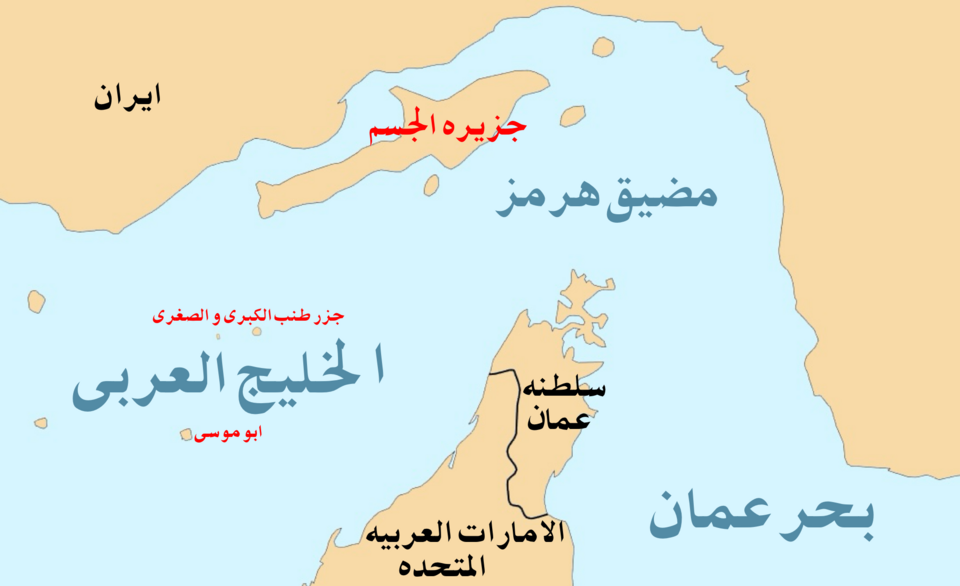
President Donald Trump said Sunday he is prepared to let economic pressure build on Iran rather than pursue additional military strikes, as the Strait of Hormuz standoff enters its sixth month with no deal in sight.
Trump told Axios that he is not pushing hard for immediate negotiations, pointing instead to Iran's economic deterioration.
"We are low-keying it," Trump said. "We are only semi-negotiating with them. We are just watching Iran with its huge inflation and the fact they have no money."
Trump also posted a chart on Truth Social showing the falling value of the Iranian rial from 2025 to now, with the labels "Iran has no money" and "currency is trash."
Iran has not signaled any willingness to back down. A senior Iranian official confirmed Monday that Tehran's position is that the U.S. must meet all conditions Iran says are contained in the memorandum of understanding the two countries signed in June. Those conditions include reparation payments, an end to fighting in Lebanon, lifting of the U.S. naval blockade, withdrawal of American troops from the region, and release of frozen Iranian assets.
Iranian Foreign Minister Abbas Araghchi said Sunday there was no possibility of restarting negotiations as long as the U.S. continues what he called violations of the June agreement, according to the Tasnim News Agency. Araghchi has also been in discussions with Oman to define transit routes through the strait, though he said any such deal would not reopen the waterway. Oman confirmed talks were progressing in what it called a positive and constructive atmosphere, while calling for a halt to attacks on vessels passing through the strait.
According to CNBC, the U.S. military redirected 20 more commercial vessels away from Iranian ports last week under its naval blockade. U.S. Central Command said American forces had redirected 55 commercial vessels as of Sunday, up from 35 as of August 2. American forces have also disabled two ships and boarded two others to ensure compliance.
Before the conflict began in February, the strait carried roughly a quarter of the world's seaborne oil trade and about a fifth of global liquefied natural gas.
The prolonged closure has sent energy prices higher and pushed inflation up in the United States. The Consumer Price Index rose to 3.8% earlier this summer, the sharpest increase in three years and well above the Federal Reserve's 2% target, according to Yahoo Finance. The 30-year Treasury yield has climbed to its highest level since 2007. Mortgage rates, which track the 10-year Treasury, are at their highest since summer 2025.
The rate environment has created pressure for a September Fed rate hike. Analysts say a 25-basis-point increase remains possible if inflation data released this week comes in above expectations. Federal interest payments on government debt now exceed spending on Medicaid, national defense, and all nondefense discretionary programs combined, adding additional upward pressure on long-term borrowing costs.
Experts say rates are unlikely to fall unless geopolitical tensions ease, oil prices stabilize, and inflation comes back under control. None of those outcomes appear certain. The August jobs report is due in early September, before the next Fed meeting, and is expected to show a rebound from last Friday's negative print.