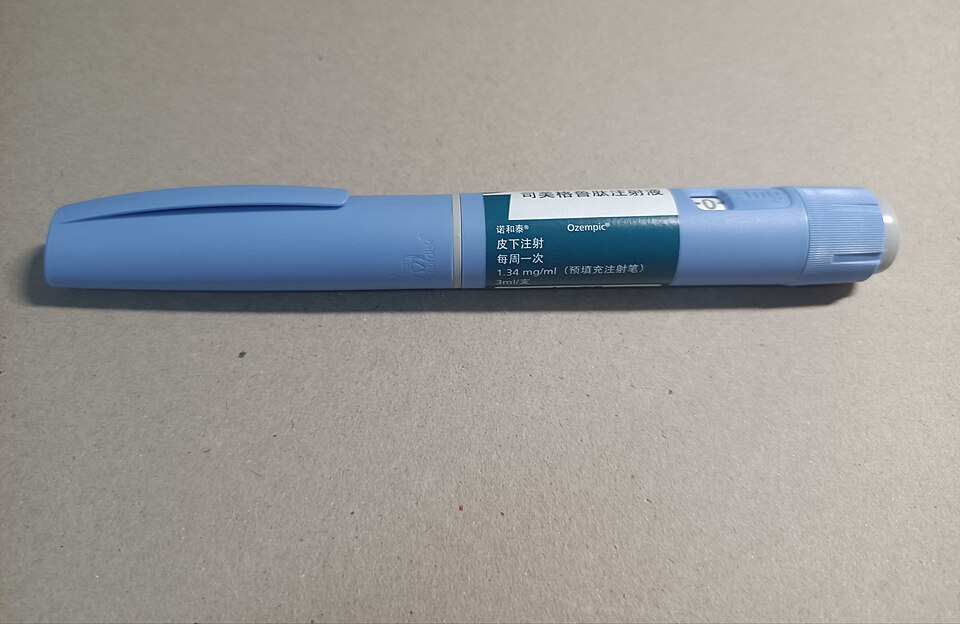
People with type 2 diabetes who take GLP-1 medications such as Ozempic or Mounjaro may have a significantly lower risk of breaking a bone from a minor fall, according to a new study reported by Healthline. The study analyzed health data from roughly 134,000 American adults between the ages of 50 and 90 who had type 2 diabetes.
Researchers compared new users of GLP-1 medications with new users of a different class of diabetes drugs called DPP-4 inhibitors. Over a three-year study period, people on GLP-1 medications had a 21% lower risk of what are called fragility fractures, which happen when bones break from a fall that would not normally injure a healthy person.
The largest reductions in fracture risk appeared in the hip, femur, and spine. Those are among the most serious fractures a person can suffer.
"The finding was especially encouraging because the largest reductions were seen in hip and femur fractures, which can be devastating," said Christopher D. Hamad, MD, a research fellow in the Department of Orthopedic Surgery at the University of California, Los Angeles, and the study's primary author.
Hamad described the severity of hip fractures in plain terms. "These injuries often require surgery and can lead to lasting loss of mobility and independence. Following a hip fracture, up to one-third of patients may die within the next year. However, this was an observational study, so the results should be viewed as an important signal rather than proof that GLP-1 RAs prevent fractures," he said.
Because the study is observational, it cannot prove that GLP-1 drugs caused the reduction in fractures. It can only show an association. The researchers acknowledged this limitation and said more studies are needed before drawing firm conclusions.
Hamad offered one possible explanation for the link. GLP-1 treatments appear to change inflammation and the balance between cells that build bone and those that break it down. That biological mechanism could offer some protection against fragility fractures. But he was careful to note the limits of what this study can show. "Laboratory research provides some support for this idea, but our study did not directly test the mechanism and cannot establish a direct effect on bone," he said. "We are currently conducting translational studies to investigate this question further."
GLP-1 medications were originally developed to treat type 2 diabetes but have since been approved for a growing list of conditions. Hamad noted how quickly that list has expanded. "GLP-1 RAs are being used by a rapidly growing number of patients," he said. "Depending on the specific medication, their uses now extend beyond diabetes to weight management, cardiovascular risk reduction, kidney protection, obstructive sleep apnea, and metabolic liver disease. As their use expands, it is important to understand how they may affect the rest of the body, including bone, so clinicians can give patients a balanced picture of their potential benefits and risks."
The findings were published on July 24. Translational studies to examine the mechanism behind the fracture reduction are currently underway at UCLA.