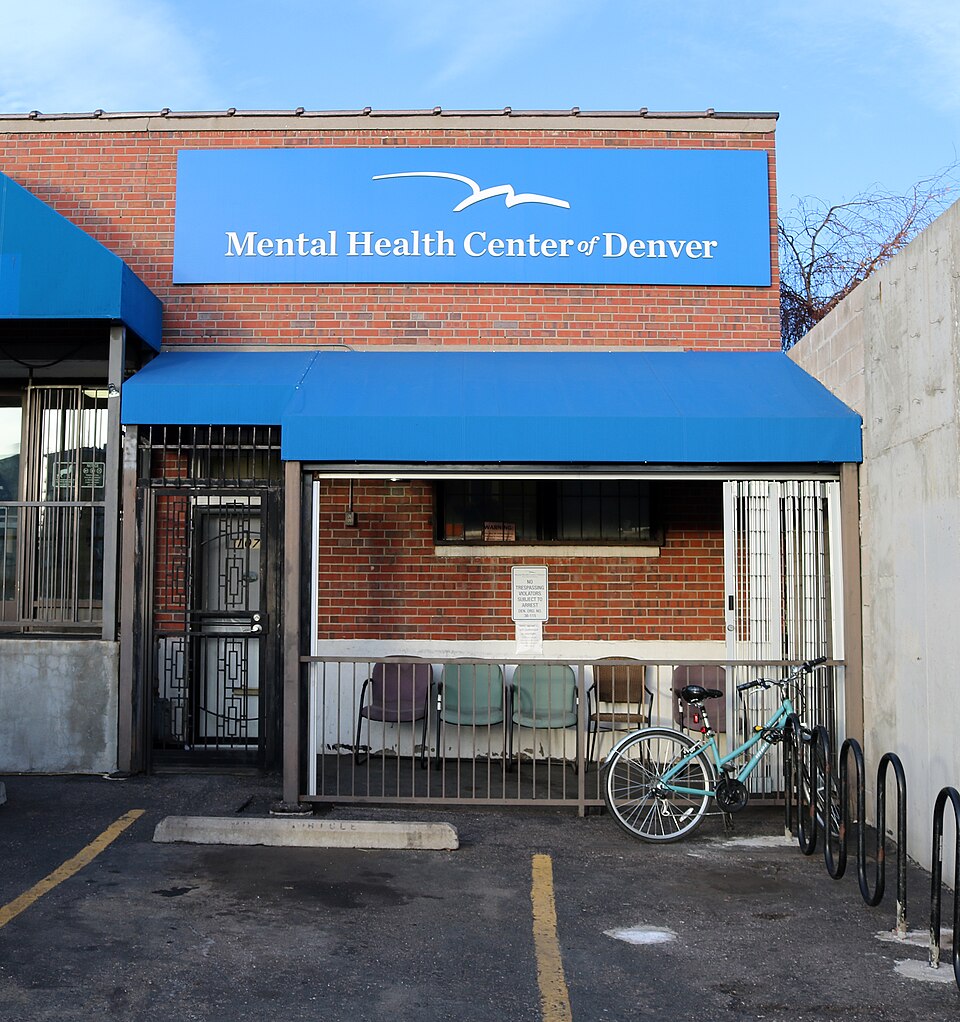
More Americans are receiving mental health treatment than in previous years, but significant gaps in access remain, according to a report by Medscape. The findings point to uneven progress across different populations in the United States.
The rise in treatment rates suggests that efforts to reduce stigma and expand services have had some measurable effect. More people are seeking and receiving care for conditions including depression, anxiety, and other psychiatric disorders. Still, the increases have not been uniform.
Gaps persist along racial, economic, and geographic lines. Certain groups continue to face barriers to care, including lack of insurance coverage, shortage of providers in rural areas, and cultural factors that affect whether individuals seek help in the first place.
The data does not indicate that the overall increase in treatment rates has closed these disparities. For many communities, the structural obstacles to mental health care remain largely unchanged even as national averages improve.
Researchers and policymakers have pointed to the shortage of mental health providers as one of the most persistent problems. Even when individuals seek care, wait times can be long and availability of specialists limited, particularly outside major urban centers.
The findings add to a growing body of evidence that expanding access to mental health care requires more than increasing awareness. Systemic changes in how care is funded, delivered, and distributed across populations remain central to the challenge.