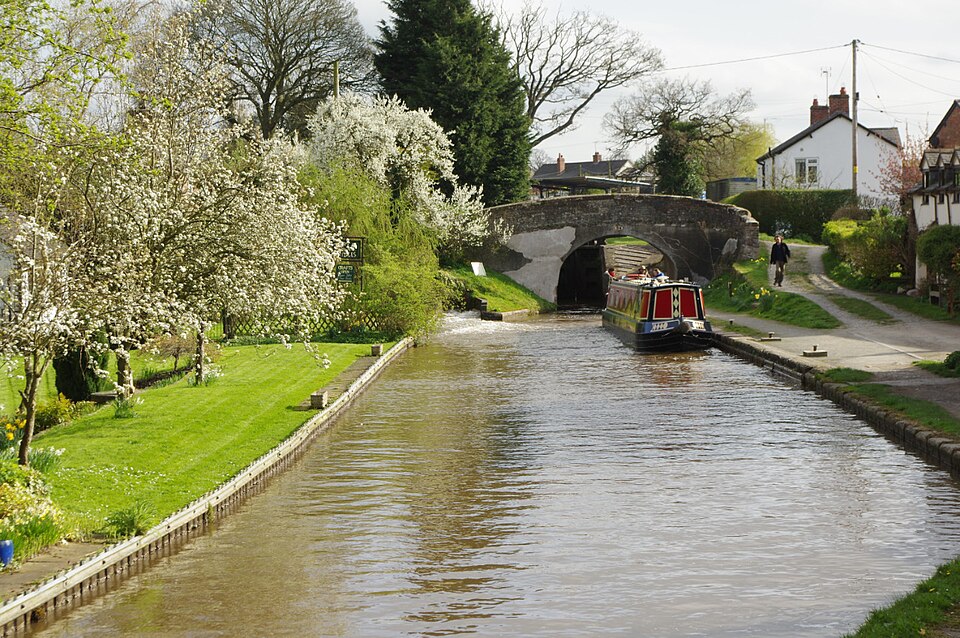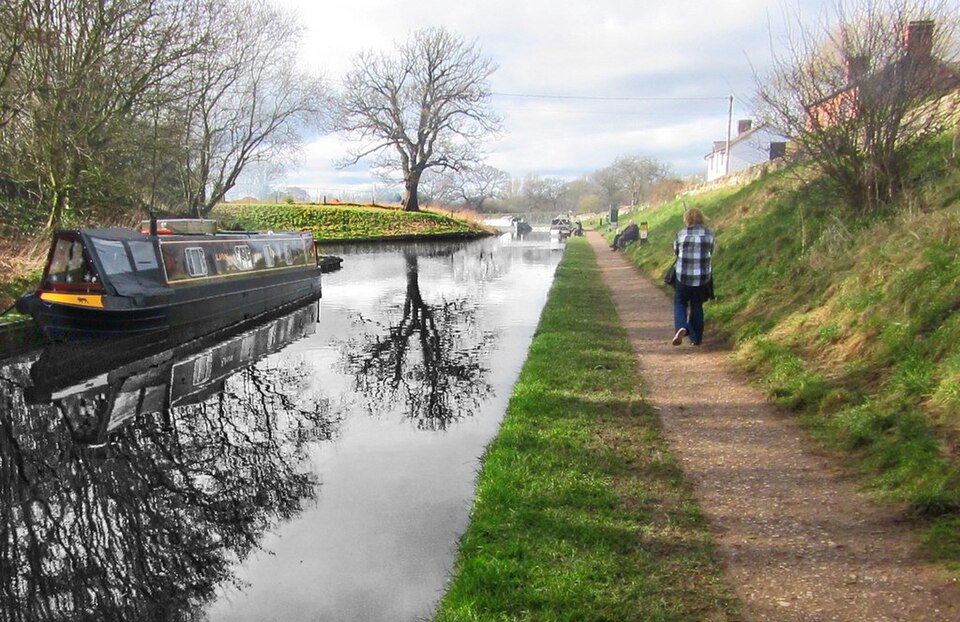
A network of canals built to power the Industrial Revolution may now help cities survive climate change. New research from the University of Manchester found that urban canals can lower surrounding temperatures by more than 2°C during heat waves, a finding that could reshape how city planners think about heat resilience.
The study, published in the journal Nature Communications, is believed to be the first to assess the cooling effects of urban canals on a national scale, according to Phys.org. Researchers examined more than 2,300 canal sections across Great Britain and Ireland and tracked their thermal behavior over a full year using a new energy balance model developed across the university's geography, planning, and engineering departments.
On an average day, canals reduced surrounding daytime temperatures by about 0.8°C. During heat waves, that cooling effect jumped to between 1.5°C and 2.3°C. The researchers also found that while canals produce a small warming effect overnight because water retains heat longer than surrounding surfaces, that effect was relatively minor compared with the daytime cooling benefits.
The health implications stood out in the data. The researchers modeled how canals affect thermal comfort during hot weather and found that accounting for the canal cooling effect reduced the number of hours classified as posing moderate heat risk by around 58%. Hours of high heat risk fell by around 74%. In many locations, canals eliminated periods of extreme heat risk altogether, though the researchers noted that rising humidity partially offsets those gains, since humidity also influences how hot conditions feel to people.
The researchers said the findings suggest canals could help reduce heat-related illness, improve well-being, and encourage people to walk and bike during hotter weather, which would also cut carbon emissions through active transportation.
Lead author Dr. Matt Tomkins described the broader significance of the findings. "As climate change makes heat waves more frequent and intense, cities need every available tool to help people stay safe and comfortable," he said. "Our research shows that canals, which were originally built to power the Industrial Revolution, could now play an important role in helping cities adapt to climate change."
Tomkins also addressed why the modest daily cooling numbers should not lead people to dismiss the findings. "The cooling effect is modest on an average day, but during heat waves it becomes much more significant, reducing nearby temperatures by more than two degrees in some locations. Even relatively small reductions like these can make an important difference to people's health and well-being during periods of extreme heat."
He added that canals have not received the same attention as parks and trees in climate planning. "Urban canals have often been overlooked in discussions about climate resilience, compared with parks and trees. Our findings suggest they should be recognized as part of climate-responsive urban design alongside green spaces," Tomkins said.
The canal network across Great Britain and Ireland stretches across both dense urban centers and smaller towns, meaning the potential reach of this cooling effect is broad. The researchers said their energy balance model could be applied to other canal networks in other countries, though that work has not yet been done.
The study arrives as European cities face increasingly severe summer heat events. Heat waves in the United Kingdom over the past several years have broken temperature records and strained public health systems. The researchers argued that existing water infrastructure, already built and maintained, represents an underused resource for managing that risk.