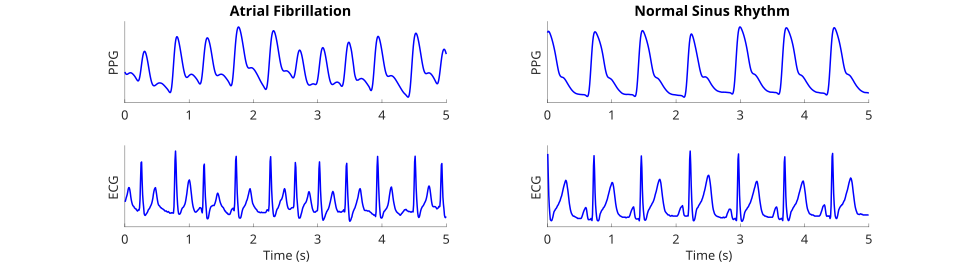
Even a small amount of physical activity may reduce the risk of stroke and premature death in people with atrial fibrillation, according to new research. The findings come from a study of more than 87,000 adults and suggest that benefits appear even at relatively low levels of exercise, not just intense or prolonged workouts.
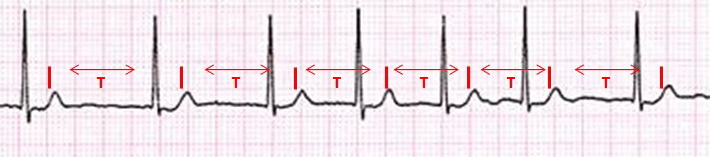
Atrial fibrillation, commonly called AFib, is an irregular heart rhythm that disrupts blood flow and raises the risk of blood clots and stroke. Many people with the condition avoid exercise because of symptoms like heart palpitations, fatigue, dizziness, or shortness of breath. The new study suggests that hesitation may come at a cost.
According to Healthline, the study included 87,340 participants drawn from two large population-based Norwegian research projects: the Tromsø Study and the Trøndelag Health Study, known as HUNT. The average participant age at the start was about 51, and roughly 47 percent were men. A total of 6,539 participants either had AFib at the outset or developed it during the follow-up period.
Researchers tracked participants using national health registries and hospital records to identify AFib diagnoses, strokes, and deaths. The median follow-up period was 13.5 years. During that time, 3,415 strokes and 7,833 deaths occurred. About 87 percent of the strokes were classified as ischemic strokes, the type caused by a blocked artery.
Among participants with AFib, even small amounts of physical activity were linked to a significantly lower adjusted risk of stroke over 15 years compared to those who were sedentary. The association held across activity levels, with greater exercise tied to greater benefit.
Rod Passman, a professor of medicine and director of the Center for Arrhythmia Research at Northwestern University, was not involved in the research but reviewed the findings. He told Healthline that the results support existing guidelines on exercise and heart health.
"The results support current recommendations that exercise is critically important to overall cardiovascular health and there's a dose response showing that the more exercise the better," Passman said. He also noted what made this study stand out: "The new data here is that in those with AF, even small amounts of exercise appear to reduce stroke risk compared to no exercise."
Researchers and outside experts were clear that the findings do not suggest exercise can replace standard AFib treatment. That treatment typically includes medications to control heart rate or rhythm, as well as anticoagulants prescribed to prevent blood clots. Physical activity, according to the study, should work alongside those treatments rather than substitute for them.
Participants in the study reported how frequently they exercised, how long each session lasted, and how intensely they worked out. Researchers used that self-reported data along with the registry information to build a picture of physical activity's relationship to stroke and death outcomes across the full sample and within the AFib subgroup.
The study was published in a peer-reviewed journal. Its scale, drawing on two major national cohorts over more than a decade, gives the findings added weight, though the observational design means it cannot prove that exercise directly caused the reduction in stroke risk.