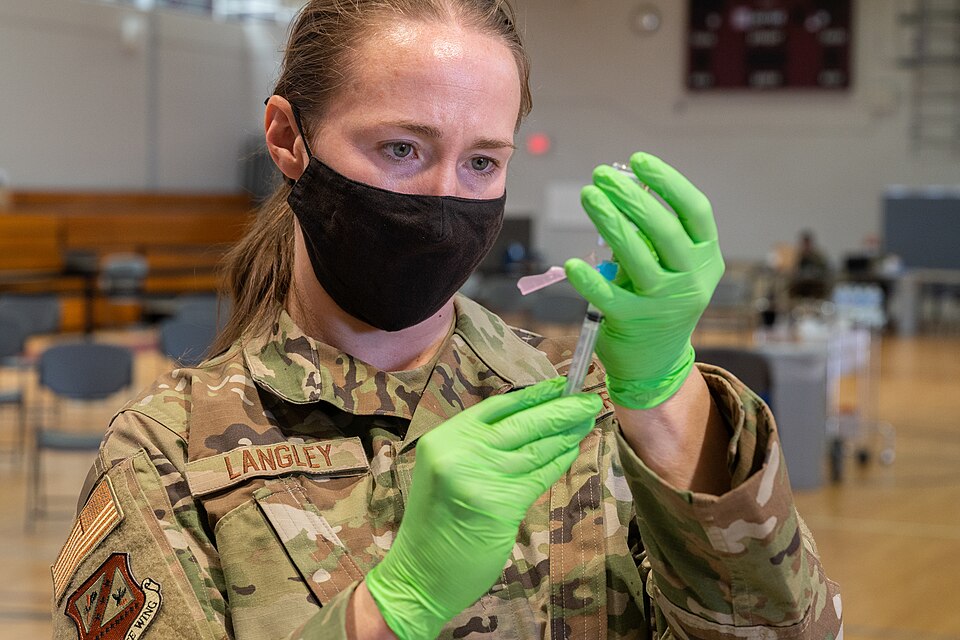
The Food and Drug Administration has approved the first mRNA-based flu vaccine for people 50 years and older, just ahead of the 2026-2027 flu season. The vaccine, called mFLUSIVA, uses the same type of technology as the COVID-19 shots that became widely available during the pandemic.
According to a report by Healthline, the approval for adults ages 50 to 64 followed a phase 3 clinical trial involving more than 40,000 adults in 11 countries. That trial showed the vaccine was 26% more effective than a licensed standard-dose flu vaccine.
The FDA also granted the vaccine accelerated approval for adults 65 and older, based on a separate clinical trial involving nearly 3,000 adults in the United States. Moderna officials reported that the vaccine generated stronger antibody responses than Sanofi's high-dose flu vaccine in that older age group. Moderna has agreed to run an additional study and submit more data on adults 65 and older to confirm the vaccine's benefit in that age group.
The mRNA technology works by prompting the body to produce influenza antigens, which then trigger an immune response. Conventional flu vaccines are largely egg-based and contain viral proteins. Supporters of the mRNA approach say it could allow faster updates to match circulating strains.
The approval comes about one year after Health and Human Services Secretary Robert F. Kennedy Jr. announced that HHS would cut $500 million in funding for 22 mRNA vaccine development programs. Kennedy had criticized mRNA vaccines, saying the technology "failed to protect" against respiratory diseases such as COVID-19 and influenza.
Other flu vaccines from Sanofi, GSK, CSL Seqirus, and AstraZeneca will also be available this season. None of those shots is mRNA-based. The new mFLUSIVA vaccine is currently under regulatory review in Europe, Canada, and Australia.
Officials say it is too early to predict how severe the upcoming U.S. flu season will be. Data from Australia, which experiences its flu season during the Northern Hemisphere's summer months, showed a moderate to lower-than-average season so far this year. That is a different picture from last year, when Australia experienced its deadliest flu season of the 21st century, with nearly 500,000 cases and 1,700 deaths. That outbreak was largely driven by a flu variant known as Super K.
Moderna's vaccine remains under review in multiple countries, and the company is still expected to submit additional clinical data on its effectiveness in adults 65 and older before that age group receives full approval.