At least 23 people along the Gulf Coast have been infected with Vibrio vulnificus this summer, and seven have died. Cases have been reported in both Florida and Louisiana, according to Healthline.
Florida Health recorded 14 cases and 2 deaths through mid-August 2026. That compares with 33 cases and 5 deaths for all of 2025, and 82 cases and 19 deaths in 2024. Louisiana has reported 9 cases and 5 deaths so far this year. The Louisiana Department of Health noted that the average number of cases over the previous 10 years, during the same period, is 7 cases and 1 death.
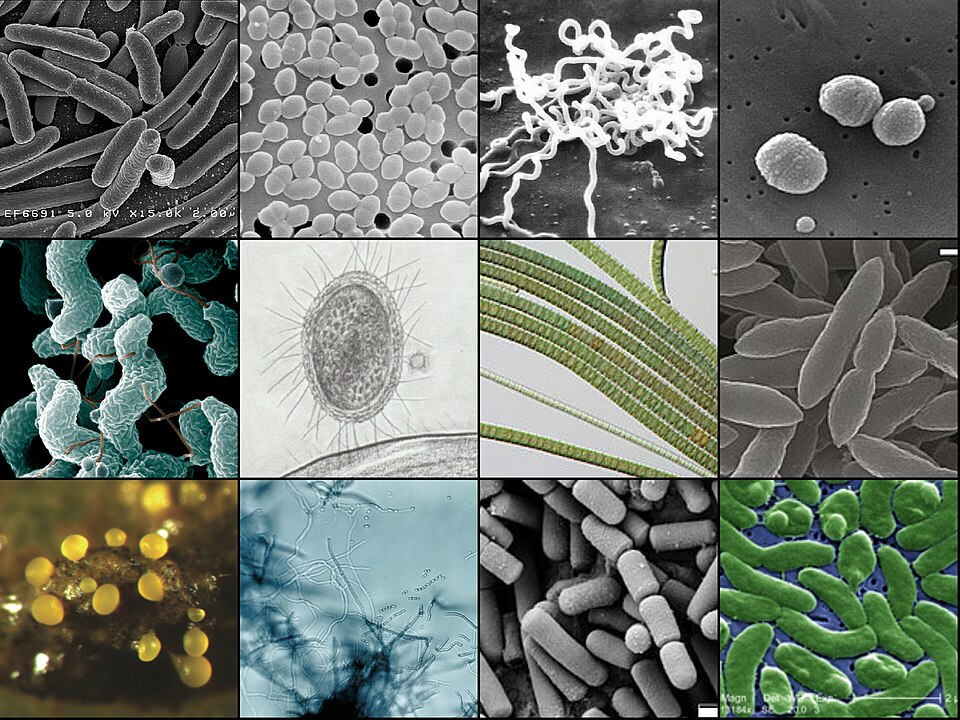
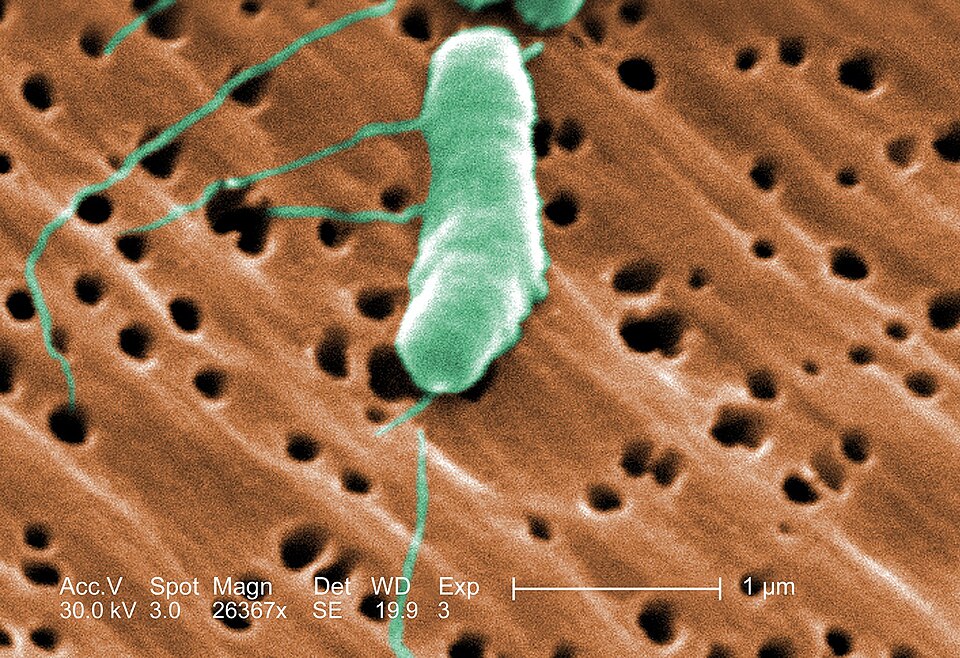
Vibrio vulnificus is a bacteria that lives in warm, brackish coastal waters. It is sometimes called "flesh-eating bacteria" because, in rare severe cases, it can cause necrotizing fasciitis, a destructive soft tissue infection. Most infections cause milder symptoms such as nausea, vomiting, diarrhea, and fever. People with weakened immune systems face the greatest risk of serious illness or death.
The Louisiana Department of Health stated that all cases in that state occurred due to wounds exposed in open seawater, and that all individuals had underlying health conditions. Infection can also occur through eating raw or undercooked shellfish, including oysters.
Robert Glatter, MD, an attending physician in the Department of Emergency Medicine at Lenox Hill Hospital in New York and assistant professor of emergency medicine at the Zucker School of Medicine at Hofstra/Northwell, put the current numbers in context. "The reports from Louisiana and Florida are serious, but the timing is not unexpected," Glatter told Healthline. "Vibrio vulnificus is most active when coastal waters are warm, so cases typically rise from late spring through early fall, especially along the Gulf Coast."
Glatter added that Florida has a well-established baseline for these infections. "Florida has historically averaged roughly 35 reported cases a year, with the highest numbers in summer and early autumn. Fourteen cases and two deaths during this period are therefore not, by themselves, extraordinary," he said.
Despite this summer's numbers drawing attention, health officials say the overall trend does not show a dramatic spike compared with recent years. However, a 2025 study found that Vibrio vulnificus cases increased by 70% from 2000 to 2004 compared with 2018 to 2022, with most cases occurring in people with underlying health conditions.
Public health guidance focuses on two main prevention steps. People with open wounds should avoid entering coastal waters, particularly warm Gulf waters during summer months. Anyone who does swim should practice proper wound care. For food safety, thoroughly cooking shellfish reduces the risk of ingesting the bacteria. A prompt course of antibiotics can help treat severe infections when caught early.