

Scientists at the University of Cambridge have solved a puzzle that has confused obesity researchers for years. Two types of drugs that do the opposite thing to the same brain receptor can both cause weight loss. Now researchers know why, and the findings could lead to stronger obesity treatments.
The study, published in Nature Metabolism and reported by Science Daily, focused on a receptor called the glucose-dependent insulinotropic polypeptide receptor, known as GIPR. Some medications activate this receptor. Others block it. Until now, no one could fully explain how opposite actions on the same target produced similar results in patients trying to lose weight.
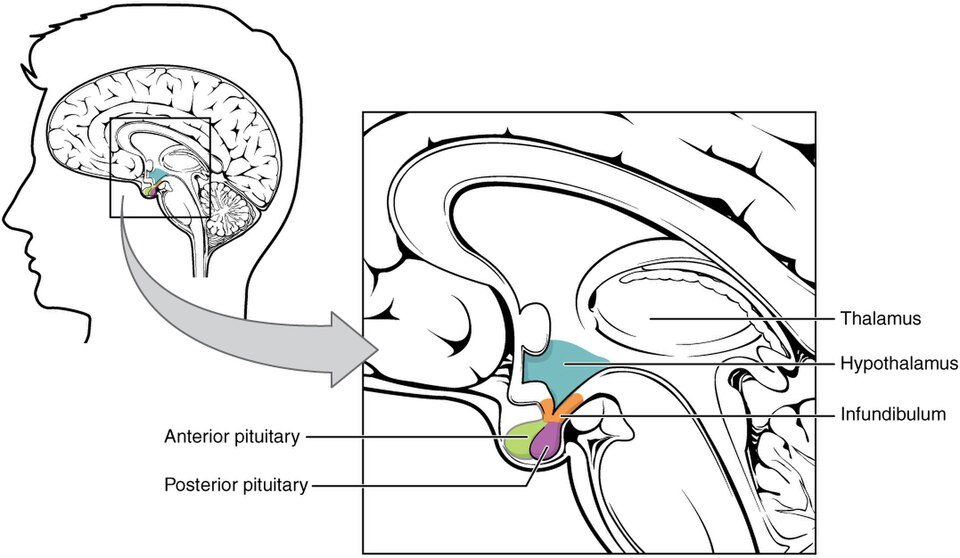
The answer, it turns out, is location. Researchers at the Institute of Metabolic Science at Cambridge used genetically engineered mice in which GIPR had been removed from specific areas of the brain. When GIPR was activated in the brainstem, it reduced appetite. When it was blocked in the hypothalamus, it removed a kind of brake on fullness signals. The two mechanisms are different, but both lead to weight loss.
Several drugs currently on the market work through these pathways. Wegovy and Ozempic activate a related receptor called the glucagon-like peptide 1 receptor, or GLP-1R. Mounjaro and Zepbound activate both GLP-1R and GIPR. A newer drug called MariTide blocks GIPR instead of activating it. All of them have shown weight loss effects, but the Cambridge study helps explain the biological reason why such different approaches can reach the same destination.
The researchers also found that GIPR-targeting drugs, whether they activate or block the receptor, can increase weight loss when paired with GLP-1-based medications. That finding points toward combination treatments as a possible next step for obesity medicine.
The stakes are significant. More than a billion people worldwide are living with obesity, a condition that raises the risk of type 2 diabetes, cardiovascular disease, and cancer. Diet and exercise alone are often not enough to produce the weight loss needed to reduce those risks, which is why the development of effective drug treatments has drawn so much scientific attention in recent years.
The generation of weight loss drugs that has emerged over the past several years works by acting on specific receptors involved in appetite and blood sugar regulation. By targeting those receptors, the drugs can reduce how much a person eats and help the body manage glucose more effectively. The Cambridge research adds a layer of precision to that understanding by showing that where in the brain a receptor is targeted matters as much as whether it is activated or blocked.
Researchers said the findings suggest that carefully combining GIP-targeting treatments with GLP-1 drugs could produce stronger effects than either approach alone. That possibility is likely to drive further research into how different obesity medications might be used together, and whether the brain region being targeted can be controlled with enough precision to maximize results while minimizing side effects.
The study was conducted in mice, which means the findings will need to be confirmed in humans before they can directly shape treatment decisions. Still, the research gives scientists a clearer map of how the brain manages appetite and fullness, and why the newest class of obesity drugs has been as effective as it has.