

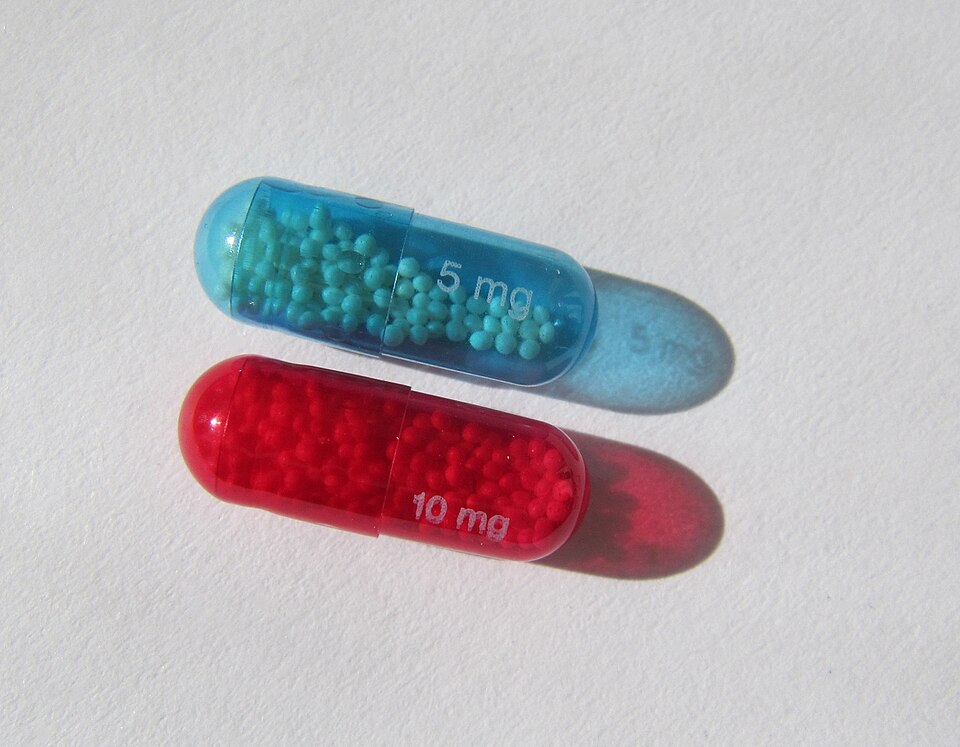
A small clinical trial found that oral fecal microbiome transplantation, commonly called "poop pills," increased peanut tolerance in some adults with peanut allergies. The research was published on August 5 in Science Translational Medicine. Six of 15 participants showed increased tolerance after receiving capsules containing fecal matter from healthy donors.
According to Healthline, the study investigated whether a fecal transplant from a healthy donor could reduce the severity of peanut allergy. Researchers also tested the approach in mice and found that animals receiving FMT from human participants were similarly protected against the allergy.
The trial ran in two stages. In the first, 10 individuals received frozen FMT from donors with healthy gut microbiomes. They took 36 pills over either one or two days. Four months later, 3 in 10 showed increased peanut tolerance. The second stage involved five participants who had taken antibiotics before receiving FMT. In that group, 3 in 5 showed increased tolerance.
Among those who responded, FMT raised the number of immune cells called RORγt+ regulatory T cells, which help regulate the immune system. Researchers said these cells appear to play a key role in how the gut microbiome influences allergy response.
Study author Rima Rachid, MD, described the findings as a milestone. "This landmark study was the first to demonstrate that a microbiome-based therapy may improve food allergy in people while also revealing how gut bacteria, their metabolites, and the immune system work together to influence treatment response," Rachid said in a news release.
Rachid also addressed the two goals of the trial in comments to Healthline. "The first aim of the study was to evaluate for safety in the food allergic population, and none of the patients had serious adverse events," she said. On the secondary aim, she added: "It was very encouraging to see that some patients tolerate more peanut protein following a single dose of FMT."
Mohammad Bakhtiar, MD, PhD, a general practitioner and clinical lead at Medical Express Clinic, was not involved in the study but offered an outside perspective. He told Healthline that the connection between gut microbiome and food allergy was not surprising. "The gut microbiome already has a major effect on many parts of human physiology so food allergy sitting in that list makes sense," he said.
Bakhtiar cautioned against reading too much into the results at this stage. "What this study cannot do is tell us how well it works in the real world; 15 people is a start, but it's not something that can necessarily apply across populations. Six improved, but nine did not. It is still a tiny, open-label phase 1 study. I would treat it as an early signal, not a change in practice," he said.
Researchers have not recommended FMT as a treatment for peanut allergy. The study is considered a phase 1 trial, meaning its primary purpose was to evaluate safety rather than confirm effectiveness. Larger trials would be needed before the approach could be considered for broader clinical use. Peanut allergy affects millions of people and can cause severe, life-threatening reactions, making new treatment pathways a significant area of research interest.