A SpaceX Falcon 9 rocket booster crashed into the moon on August 5, leaving a crater 60 feet across and less than 10 feet deep. NASA released before-and-after photographs of the impact area on Tuesday, captured by its Lunar Reconnaissance Orbiter.
According to CBS News, the 8,800-pound booster plowed into the moon at 5,400 miles per hour after drifting through space for more than a year. The impact struck with a force equivalent to nearly 3 tons of TNT. The rocket was about 45 feet long and 12 feet wide.
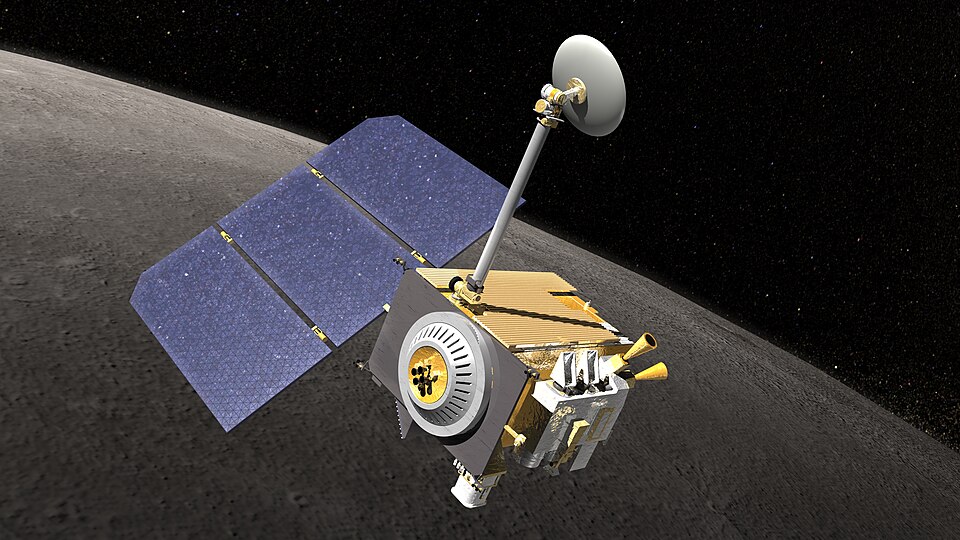
The orbiter photographed the crater from 60 miles up, moving at roughly 1 mile per second. Flight controllers had to tilt the spacecraft so its cameras could point toward the impact scene. It took six days after the crash before the site came into view during the orbiter's two-hour polar orbit cycle. South Korea's Danuri spacecraft was the first to send back images of the location.
Dark and bright streaks are clearly visible in the images, spreading out from the crater in a pattern scientists described as resembling butterfly wings. The darker lines represent material excavated from near the surface, shaped over long periods by solar wind, cosmic rays, and micrometeorite strikes. The brighter rays show fresh rock and dirt thrown up from deeper underground.
The booster had originally launched in January 2025 as part of NASA's push to commercialize lunar exploration. It carried a pair of private moon landers with experiments and a small rover. After delivering its payload, the rocket's upper stage drifted in space before eventually falling toward the moon's Earth-facing side.
The moon is regularly struck by objects, but most impacts come from natural sources like meteoroids. Artificial impacts remain relatively rare. The Lunar Reconnaissance Orbiter has circled the moon since 2009, providing close observation as NASA works toward returning astronauts to the lunar surface.
NASA intentionally crashed a rocket stage into a permanently shadowed crater at the moon's south pole in 2009, a controlled impact that confirmed the presence of water ice and made the region a top candidate for future moon bases by both the United States and China.