A drug already used to treat rheumatoid arthritis produced significant hair regrowth in people with severe alopecia areata, according to results from two large phase 3 clinical trials. The medication, upadacitinib, is sold under the brand name Rinvoq and belongs to a class of drugs called JAK inhibitors.
According to a report by Healthline, about half of participants who took either a low or high dose of upadacitinib regrew enough hair to cover at least 80% of their scalp. Only about 2% of those who received a placebo reached that level of regrowth.
The trials together enrolled nearly 1,400 participants between the ages of 12 and 64. All of them had a severe form of alopecia areata that had caused them to lose at least 50% of the hair on their scalp. The first trial was conducted across 112 clinical centers in 25 countries. The second included 125 centers in 28 countries. Both trials ran between November 2023 and July 2025.
Participants were split into three groups. About 40% received a daily 15-milligram dose of upadacitinib. Another 40% received a 30-milligram daily dose. The remaining 20% were given a placebo. Scientists tracked hair growth during the first 24 weeks of both trials.
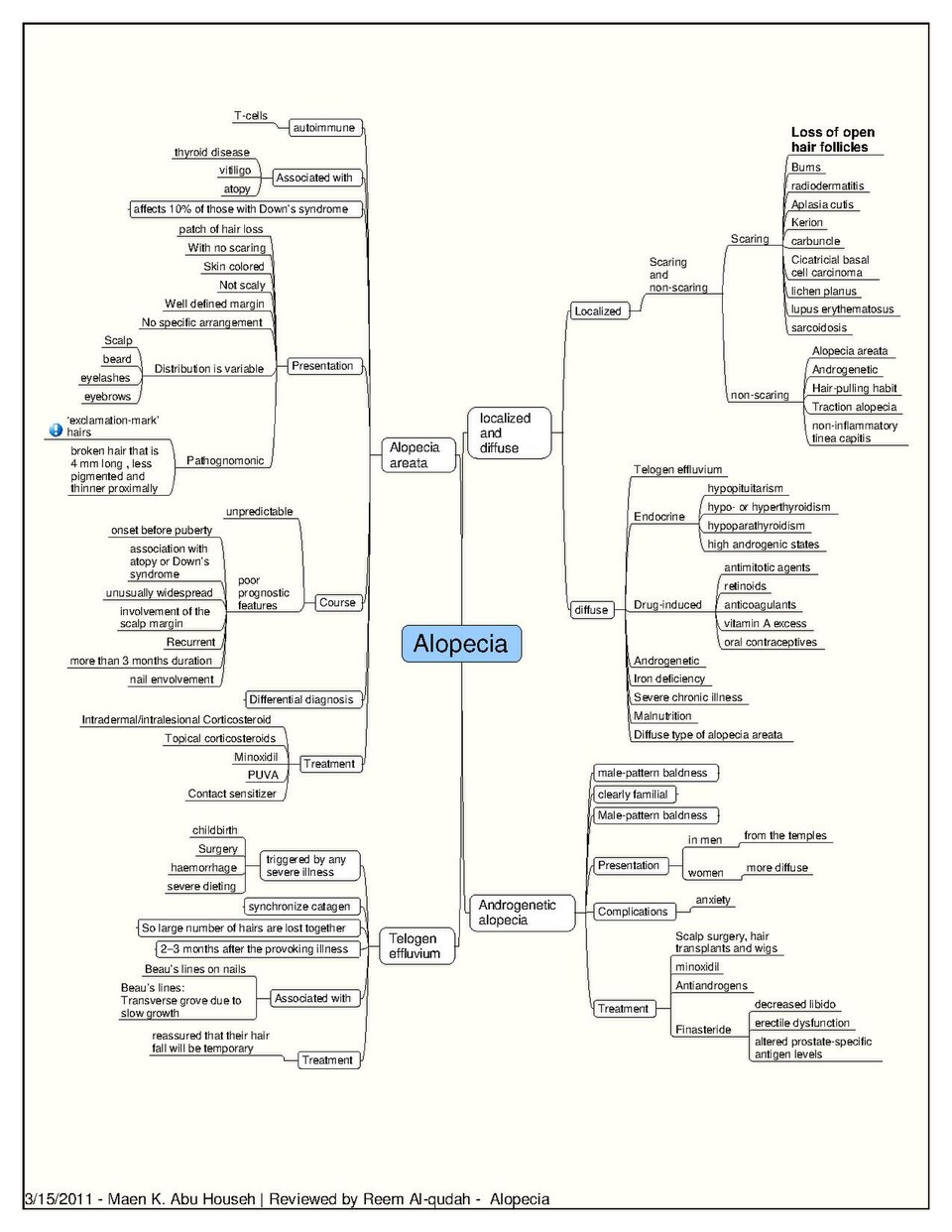
Alopecia areata is an autoimmune condition in which the immune system attacks hair follicles, leading to patchy hair loss that can affect the scalp and other parts of the body. There is no cure, though treatments such as topical medications, injections, and laser therapy can help slow hair loss or stimulate some regrowth. Researchers chose to study upadacitinib because JAK inhibitors work by blocking proteins called Janus kinases, which play a key role in triggering the immune response behind hair loss.
Spencer Kobren, the founder of the American Hair Loss Association, was not involved in the study but reviewed the findings. "I think the results are very encouraging," he told Healthline. "If upadacitinib ultimately becomes another treatment option for alopecia areata, having another effective drug available to patients is certainly a good thing."
Other JAK inhibitor medications are already approved for alopecia areata, but researchers and outside experts said upadacitinib could expand the options available to patients. The findings were published on August 12.