

New Zealand introduced legislation Monday that would ban children under 16 from using social media platforms, with fines for non-compliant companies potentially reaching 10 percent of their global annual revenue.
According to the BBC, the Online Safety Bill was introduced to parliament Monday. Under the proposal, platforms including TikTok, Instagram, Snapchat, and Facebook would be required to take reasonable steps to verify that users are at least 16 years old. Acceptable verification methods listed in the bill include existing account information, facial age estimation, and digital identity checks.
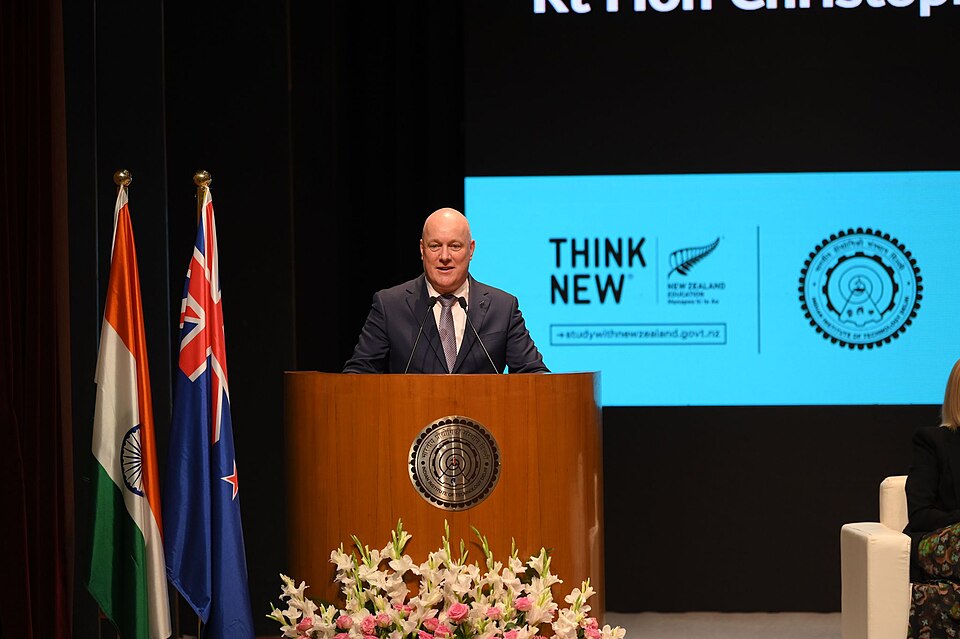
Prime Minister Christopher Luxon said social media was exposing children to "harmful content, addictive technology and pressures they are not equipped to deal with." He said the platforms were affecting children's family life, mental health, sleep, and education. "We have protections to keep children safe in the real world and we need them in the virtual world too," he said.
No penalties are proposed for children, parents, or caregivers if the ban is violated. The fines fall entirely on the platforms. The proposed penalties are substantially higher than those in Australia, where the maximum fine is $99 million.
New Zealand would be following a path already taken by Australia and joining the UK and Greece, which are expected to introduce their own restrictions next year. But the bill's passage is far from certain. Both the Act party and New Zealand First, coalition partners in Luxon's government, have said they will oppose it.
David Seymour, New Zealand's deputy prime minister and leader of Act, said the ban simply would not work. Foreign affairs minister Winston Peters, who leads the NZF party, called Australia's December ban a "colossal failure" and warned of a "slippery slope." Peters said: "We have been concerned with the proposed legislation and the direction and slippery slope that legislation like this will inevitably take our country."
Australia's ban has been difficult to enforce. It has been widely acknowledged that many children under 16 have continued to access and use the banned apps. Earlier this month, France's top court struck down a similar proposed ban, ruling it infringed upon freedom of expression.
Platforms found to be regularly used by children would also be required under the New Zealand bill to regularly assess the risks they pose and report on how those risks are being identified and reduced. The government has not yet outlined which other platforms beyond the named four would be considered high-risk. If passed, the ban is targeted to take effect in early 2027.