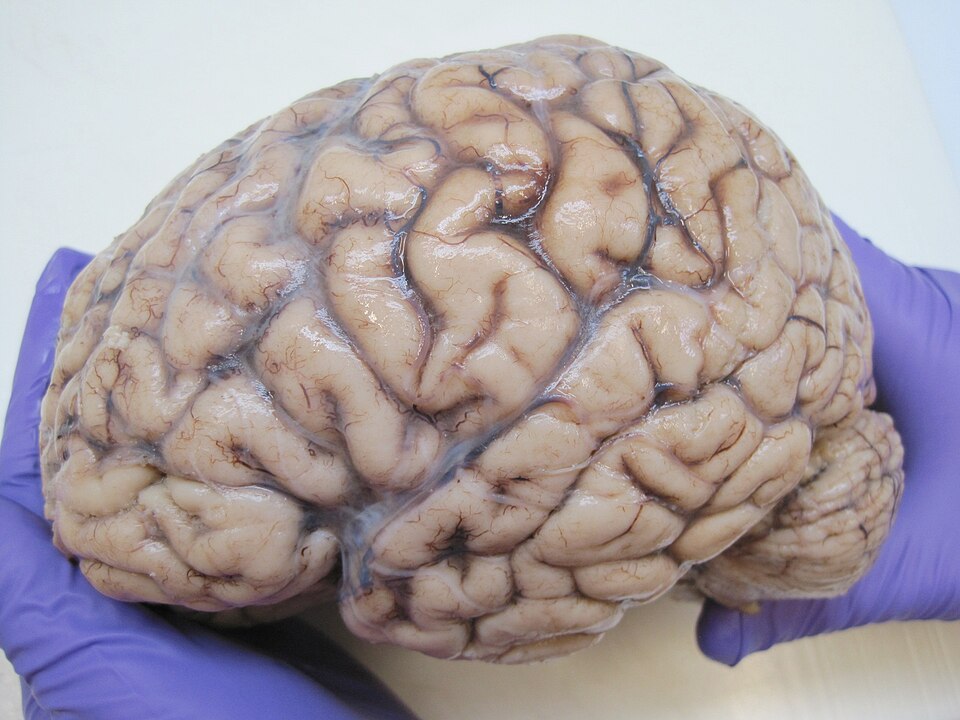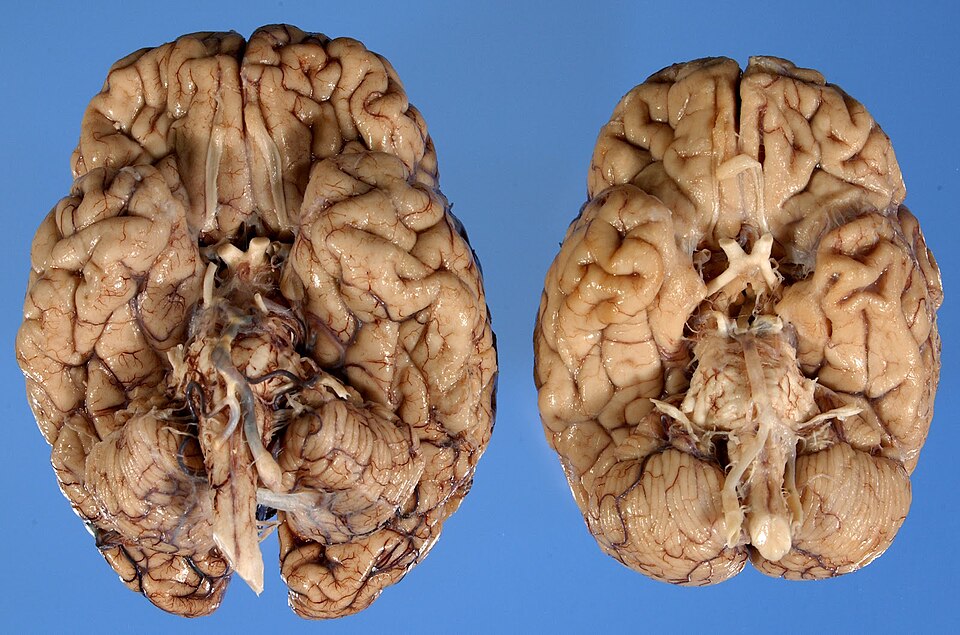
A new study has added to mounting evidence linking professional football to serious long-term brain damage. Researchers found a high prevalence of chronic traumatic encephalopathy, known as CTE, among former NFL players whose brains were examined after death.
According to a report by News-Medical, the study reveals that CTE was present at a striking rate among the former professional players included in the research. CTE is a degenerative brain disease associated with repeated hits to the head and has been linked to symptoms including memory loss, confusion, depression, and aggressive behavior during a person's lifetime. It can only be definitively diagnosed after death through examination of brain tissue.
The disease has become a central issue in discussions about player safety in American football at all levels, from youth leagues through professional play. The NFL has faced years of scrutiny and legal action over how it handled knowledge of brain injury risks among its players.
Previous studies from the Boston University CTE Center and affiliated researchers have examined donated brains from former players and found CTE in a large majority of those examined. Critics of that research have noted that the donor pool is self-selected, meaning families who suspected a player had CTE were more likely to donate brains for study, which could skew prevalence rates upward. The new study contributes additional data to this ongoing area of investigation.
CTE develops from repeated traumatic brain injuries, including the subconcussive hits that occur on nearly every play in a football game. A player does not need to suffer a diagnosed concussion for this kind of damage to accumulate. Researchers have argued that the sheer volume of impacts over a career, even those that go unnoticed in the moment, may be the primary driver of the disease.
The findings carry implications for how the sport is played and regulated. The NFL has made rule changes in recent years aimed at reducing the most dangerous types of hits, and helmet technology has continued to improve. Whether those changes are sufficient to meaningfully reduce CTE risk over the course of a career remains an open question among researchers.
The study also raises questions about football at younger ages, where developing brains may be especially vulnerable. Researchers and public health officials have called for more study of CTE risk in high school and college players, populations that have received less research attention than NFL veterans.
Families of former players and advocacy organizations are expected to continue pushing for greater transparency from the league and for expanded research funding. The donated brains that make studies like this one possible come from players and families who hope the research will eventually lead to ways to detect CTE in living patients and, ultimately, to prevent it.