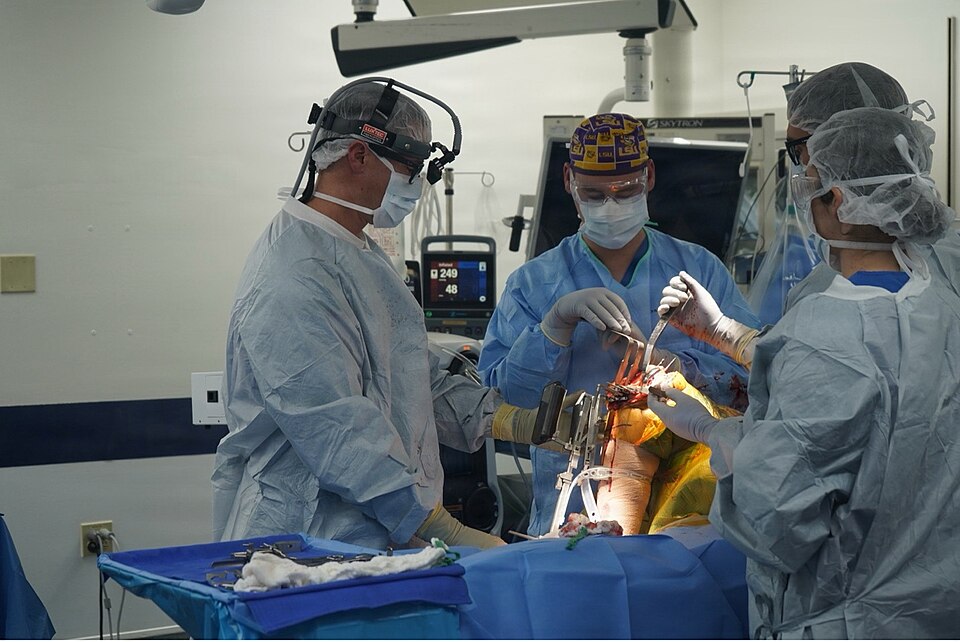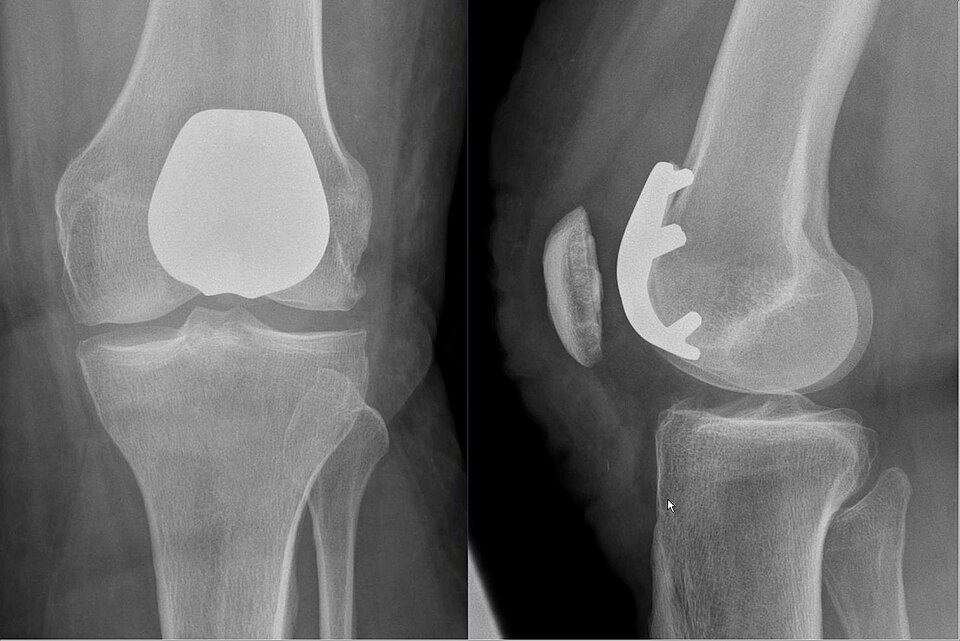
Robot-assisted surgery has been one of the most talked-about advances in orthopedic medicine over the past decade. Hospitals have invested heavily in the technology, and patients have increasingly requested it. A new clinical trial now challenges the assumption that robotic assistance leads to better results for knee replacement patients.
According to a report by U.S. News and World Report, the trial found that robot-assisted knee replacement surgery performed no better than traditional procedures carried out by surgeons alone. The study compared patient outcomes across both approaches and found no significant difference between the two groups.
Knee replacement is one of the most common surgeries performed in the United States. Hundreds of thousands of procedures are carried out each year, and the demand has grown steadily as the population ages. Robotic systems were introduced with the promise of greater precision in cutting and implant placement, which surgeons and manufacturers argued would lead to better long-term outcomes for patients.
The technology carries a steep price. Robotic surgical systems can cost hospitals millions of dollars to purchase and maintain, and those costs are often passed on to patients and insurers. The argument for the added expense has rested largely on the idea that better precision would translate into better recovery, less pain, and longer-lasting implants.
The trial results complicate that argument. Researchers found that the improvements in precision offered by robotic systems did not appear to produce measurable gains in how patients actually fared after surgery. Recovery, function, and other clinical measures were comparable between the two groups.
The findings do not suggest that robotic surgery is harmful or that hospitals should abandon the technology. They raise questions, however, about whether the premium paid for robotic assistance is justified based on current evidence. Surgeons and hospital administrators may face renewed pressure to examine how they allocate resources and how they counsel patients who specifically seek out robotic procedures.
For patients scheduled for knee replacement, the trial results suggest that a skilled surgeon using traditional methods can deliver outcomes on par with robotic-assisted procedures. The study adds to a growing body of research examining whether newer and more expensive surgical technologies consistently outperform established techniques.
Further research is expected to continue examining long-term outcomes, including implant longevity and rates of revision surgery, which may take years to fully assess.