Six months after the U.S.-Iran war began, Navy families who evacuated Bahrain on short notice are still living in temporary housing, and many say they are not getting clear answers about what comes next.
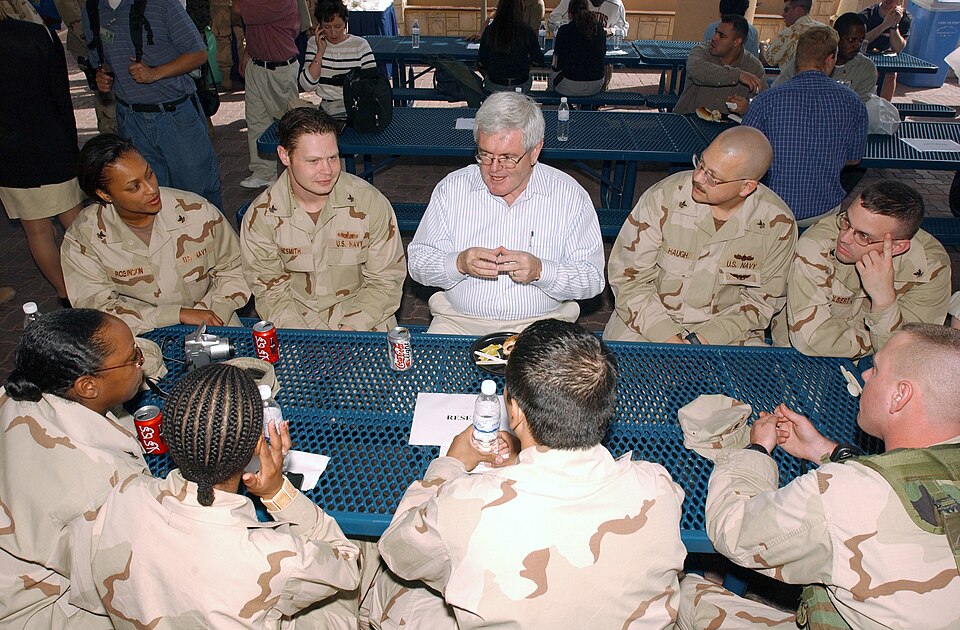
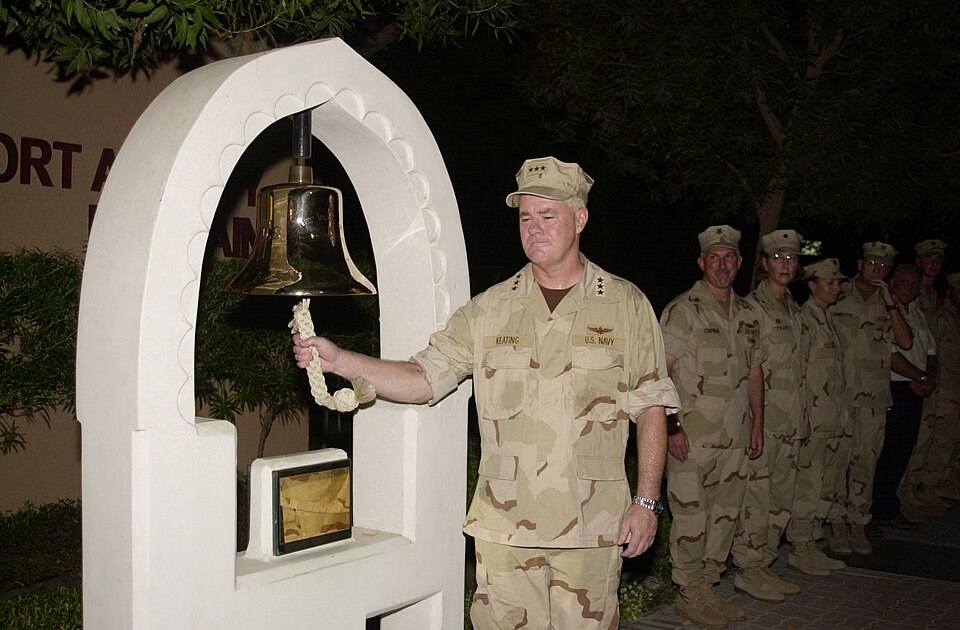
NPR reviewed a recording of a virtual town hall held last week in which roughly 580 people participated. Navy leaders addressed the families but were unable to provide a firm timeline for return or resettlement. Vice Adm. Curt Renshaw, who heads the Navy's Fifth Fleet, acknowledged the situation openly. "We are making it up as we go because nothing is conceived to go on this length of time," he said. He also said, "these are complex problems and the solutions have not been exactly obvious."
The military and the State Department ordered dependents to evacuate on March 2, with little notice and few possessions. Renshaw told families at the time that the displacement would be brief, similar to when U.S. and Israeli forces struck Iran's nuclear facilities in June 2025, a conflict that lasted 12 days. "Unfortunately, this has just stretched on and on, and has evolved into something greater and a bigger challenge," Renshaw said during the call. "When we talk about that challenge, we've delayed making some hard decisions because we didn't want to close the door on getting people back into Bahrain."
The number of displaced dependents stands at approximately 1,300, not including the sailors and civilian workers also affected. Many initially went to Europe before relocating to various parts of the United States. Some families have moved multiple times.
NPR spoke with one Navy spouse with two small children who said she is now on her eighth relocation in less than six months. NPR did not use her name because she expressed concern about the impact on her husband's career. Her husband remains stationed in Bahrain. "I need to take control over my life again and not just be at the whim of the administration, and I need to make plans and move on from this," she said. "I don't want to be dragged around in this anymore. I feel like my spouse is holding up his end of the deal."
With the school year starting, she expects to spend additional money out of pocket to stay in one place throughout the coming months. "I'm all alone and in a state that doesn't really have a military presence," she said. "No one really gets what's going on or even knows where Bahrain is."
Renshaw has not set a public deadline for a decision on whether families will be allowed to return to Bahrain or be permanently relocated.