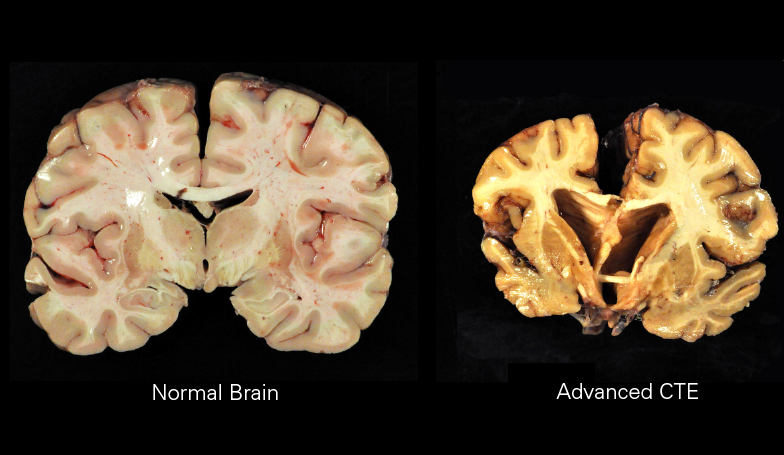
At least one in four former NFL players who died between 2016 and 2021 may have had chronic traumatic encephalopathy, according to a new study published Monday in The BMJ.
Researchers from Mass General Brigham, Boston University, and the Concussion and CTE Foundation examined 1,712 former NFL players who died between 2008 and 2021. Of those, 338 brains were donated for examination. Among those donors, 315, or 93.2%, had evidence of CTE, a degenerative brain disorder that can be caused by repeated head injuries.
Based on those findings, the authors estimated that the minimum prevalence of CTE among all former NFL players who died between 2016 and 2021 was 24.5%.
The study also looked at whether more severe disease connected to cognitive decline. Among brain donors, nearly 60% had dementia. Among those with the most severe form of CTE, classified as stage IV, 90.4% had dementia. After accounting for differences between donors and non-donors, stage IV CTE was associated with a 44% higher risk of dementia.
Researchers also noted that many dementia cases were not captured on death certificates, suggesting the actual burden of neurodegenerative disease among former players may be higher than records show.
"Community brain bank studies have shown that CTE affects less than 1% of the general population. To find that somewhere between 24.5% and 97.7% of NFL players from that time period had this progressive brain disease is a wake-up call for the NFL and scientific communities," said Dr. Daniel Daneshvar, the study's lead author, in a statement.
The NFL responded in a statement to ESPN. The league said it "continuously strives to make the game of football safer, including by implementing strategies to reduce concussions and head impacts." The statement added that "the NFL remains committed to ensuring that the NFL community has access to a robust -- and expanding -- set of resources to enhance their physical and mental well-being."
The researchers said future studies should focus on athletes who played more recently. They also said prevention efforts need to target repetitive head impacts broadly, not just concussions.