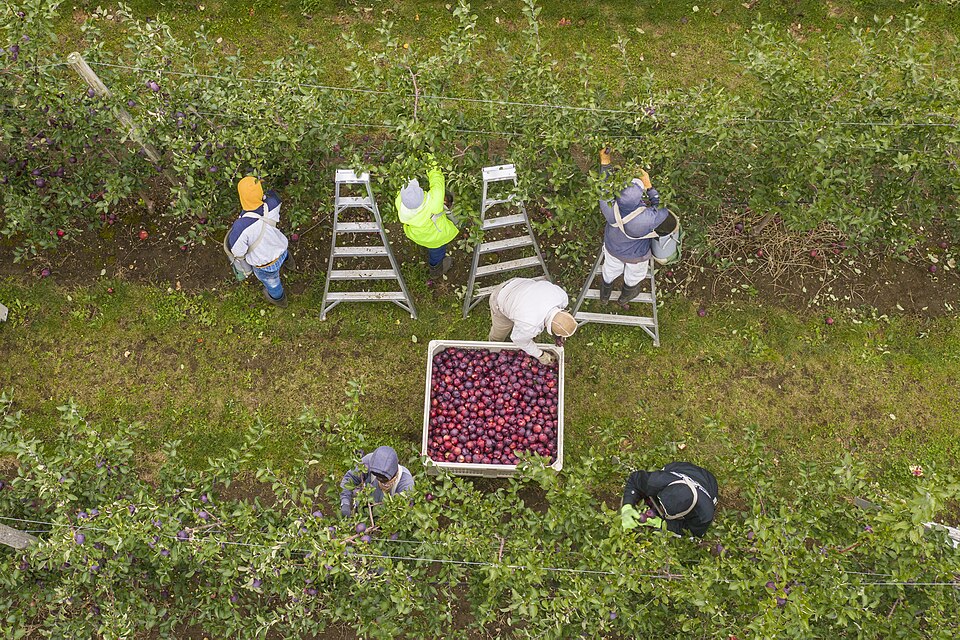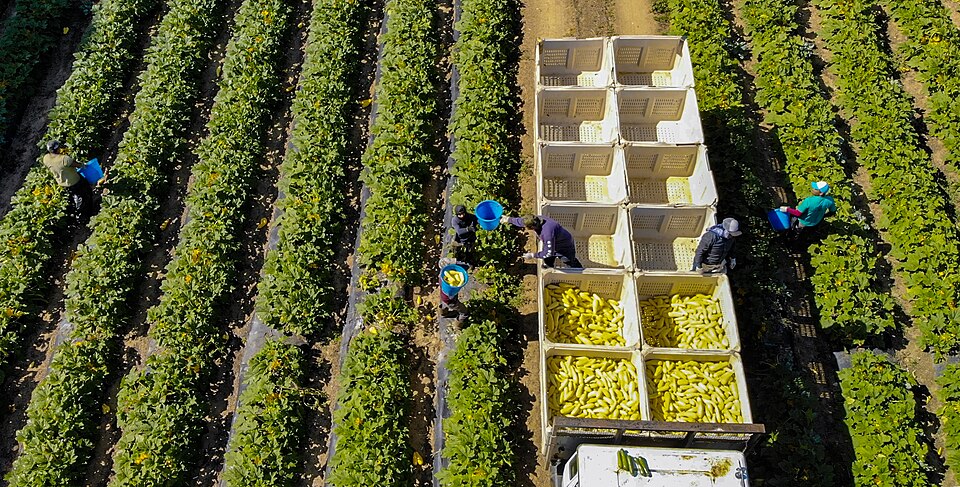
It happens in farm fields, hotel kitchens, private homes, and construction sites. Labor trafficking is one of the most widespread human rights violations in the world, and according to one expert, it is also one of the least understood.
According to a report by Phys.org, the U.S. Department of Transportation found that 27.6 million people were victims of human trafficking in 2021. Of those, 77 percent were subjected to forced labor. Despite those numbers, the issue receives relatively little public attention compared to sex trafficking.
Terry Coonan is the executive director of the Center for the Advancement of Human Rights at Florida State University. The center focuses on human rights education, student field placements, and pro bono legal advocacy for vulnerable populations. Coonan has worked directly with victims of labor trafficking in Florida, including people exploited in agriculture, hotels, golf resorts, restaurants, roofing, and private homes.
He says the lack of attention is not accidental.
"Labor trafficking is vastly underrepresented in media coverage," Coonan said. "Forced labor is harder to see; it hides in plain sight in legitimate industries. Forced labor is harder to investigate; it can require more law enforcement resources over extended periods of time. And forced labor may be harder to convey as a compelling victim story, in comparison to sex trafficking."
A 2016 study published in the Journal of Human Trafficking found that forced labor appeared in only about 11 percent of trafficking-related media coverage, even though it accounts for the majority of human trafficking cases worldwide.
Coonan points to subcontracting as one of the primary ways forced labor stays hidden inside otherwise legitimate businesses. Companies hire outside crews to harvest crops or provide cleaning services, and those subcontractors may be exploiting workers without the parent company's knowledge.
"What we've seen are subcontractors that can submit a low bid because they are exploiting forced labor in their work crews," Coonan said. "Often the corporation does not know—or chooses not to know—that their profits are the result of labor trafficking by their subcontractors."
Labor trafficking also occurs in settings that have nothing to do with corporate supply chains. Coonan described situations his center has handled directly.
"Here in Florida, we've also seen labor trafficking in cases that don't involve subcontractors. These have included forced labor committed by traveling sales crews, by religious organizations and by private citizens who exploit women or children as house slaves."
The National Human Trafficking Hotline lists domestic workers forced to labor in private homes, farmworkers coerced through violence while harvesting crops, and factory workers held in inhumane conditions with little or no pay as examples of labor trafficking. Each of those settings shares one feature: the work looks ordinary from the outside.
Coonan's center continues to provide legal assistance to trafficking victims in Florida while also pushing for stronger corporate accountability in supply chains that rely on outside labor. The question of how to hold companies responsible when exploitation occurs several layers down their contracting chain remains one of the central problems advocates are working to solve.