A mosquito drinking blood from the head of the most dangerous snake in Central America. A bullfrog lunging at a butterfly. A black bear cooling off in a California swimming pool. These are among the highly commended images in this year's Wildlife Photographer of the Year competition, as reported by New Scientist.
The shot of the snake, titled Biting Back, was captured by twins Andrea and Maceo Grammatico and earned a highly commended distinction in the Animal Portraits category. The photographers said they did not notice the mosquito feeding on the fer-de-lance until they reviewed their images after the shoot.
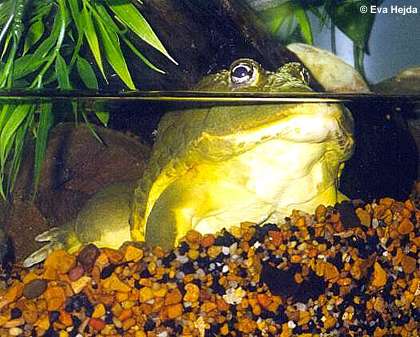
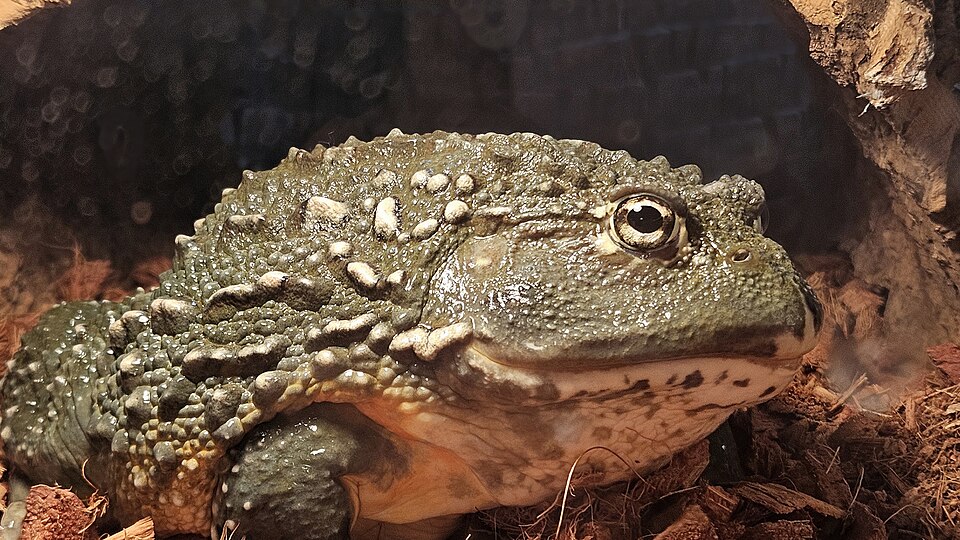
In the Behaviour: Amphibians and Reptiles category, Jens Cullmann's Split-Second Escape was also highly commended. The image catches an African bullfrog mid-lunge at an African babul blue butterfly. Cullmann had first spotted tadpoles at the location a month earlier and returned to find them transformed into young bullfrogs. African bullfrogs spend most of the year underground in an inactive state called aestivation, emerging only briefly after the rainy season to breed, hunt, and feed.
A very different kind of animal strategy appears in Gil Wizen's Hidden Dragon, highly commended in the Behaviour: Invertebrates category. The image shows a lichen dragon katydid, a rare species found only in the Ecuadorian Andes mountains, relying on near-perfect camouflage rather than speed or aggression. The insect is just 15 millimeters long and spiky in appearance.
Urban wildlife made the shortlist as well. Loren Elliott's Pooltime Pastime, highly commended in the Urban Wildlife category, shows a black bear taking a dip in a swimming pool in southern California. Encounters between bears and suburban residents have grown more common as housing developments expand into bear habitat.
In Brazil's Pantanal wetlands, photographer Andrew Parkinson captured a black vulture gripping the carcass of a yacare caiman in a shot called Wings of Darkness, also highly commended in the Animal Portraits category. A jaguar was waiting just out of frame, and the vulture ultimately did not keep its meal.
The Wildlife Photographer of the Year competition is organized by London's Natural History Museum. The overall winner will be announced on October 13. An exhibition of the competing images opens October 16 and runs through July 11, 2027.