Major retailers have been receiving large tariff refunds following a Supreme Court ruling earlier this year, but the way they are reporting and using that money has varied enough to confuse Wall Street analysts trying to evaluate company performance, according to CNBC.
The Supreme Court ruled in February that the International Emergency Economic Powers Act did not authorize President Donald Trump to impose the tariffs. Most major retailers then applied for refunds, and that money began flowing in during the second quarter, providing major boosts to profits.
Bryan Eshelman, a managing director in the retail practice at consulting firm AlixPartners, told CNBC the situation is complicated. "These trails aren't always clean in terms of finding the right way to apply, in a fair sense, the rebate to prices," he said.
Eshelman said two factors shape how retailers handled the money. A retailer's position in the market plays a role, with more value-driven companies likely to apply funds to keep prices lower and proclaim that to the marketplace. The question of who qualifies as the importer of record also matters, since that determines who actually receives the refund. Much of what is sold in stores is not necessarily imported by the retailer, and U.S. manufacturers may receive rebates for raw materials instead. "There's also just the reality of record-keeping internal to retailers and whether or not they easily have a way to attribute the rebate directly back to a product that was already sold," Eshelman said. "It's not a simple task."
Home Depot reported receiving $730 million in tariff refunds during its fiscal second quarter and used roughly $685 million of that money to reduce the cost of goods sold. Its gross margin rose 0.3% compared with the prior year. Chief Financial Officer Richard McPhail said on an analyst call that the funds represent "the vast majority" of what the company expected to receive.
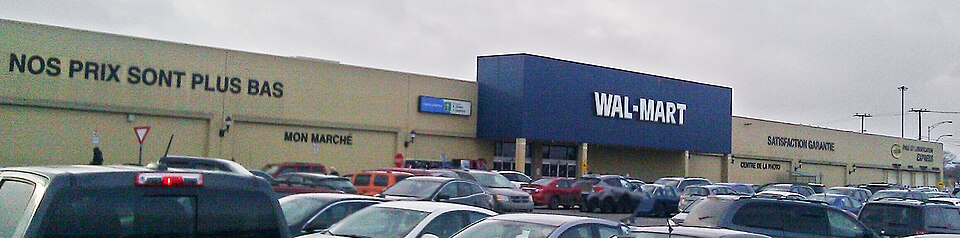
Walmart took a similar route. CFO John David Rainey told CNBC the company was eligible to receive roughly $2.9 billion in tariff refunds and had yet to get back just under $100 million of that total. Its gross profit for Walmart U.S. grew 1.6% from the boost. Rainey said the company plans to use those funds to lower prices for consumers, with the impact expected during the current fiscal third quarter.
TJX Companies also reported using its $331 million in refunds, though the differences in how each retailer has disclosed and applied the money have made it difficult for investors to make direct comparisons between companies heading into the second half of the year.