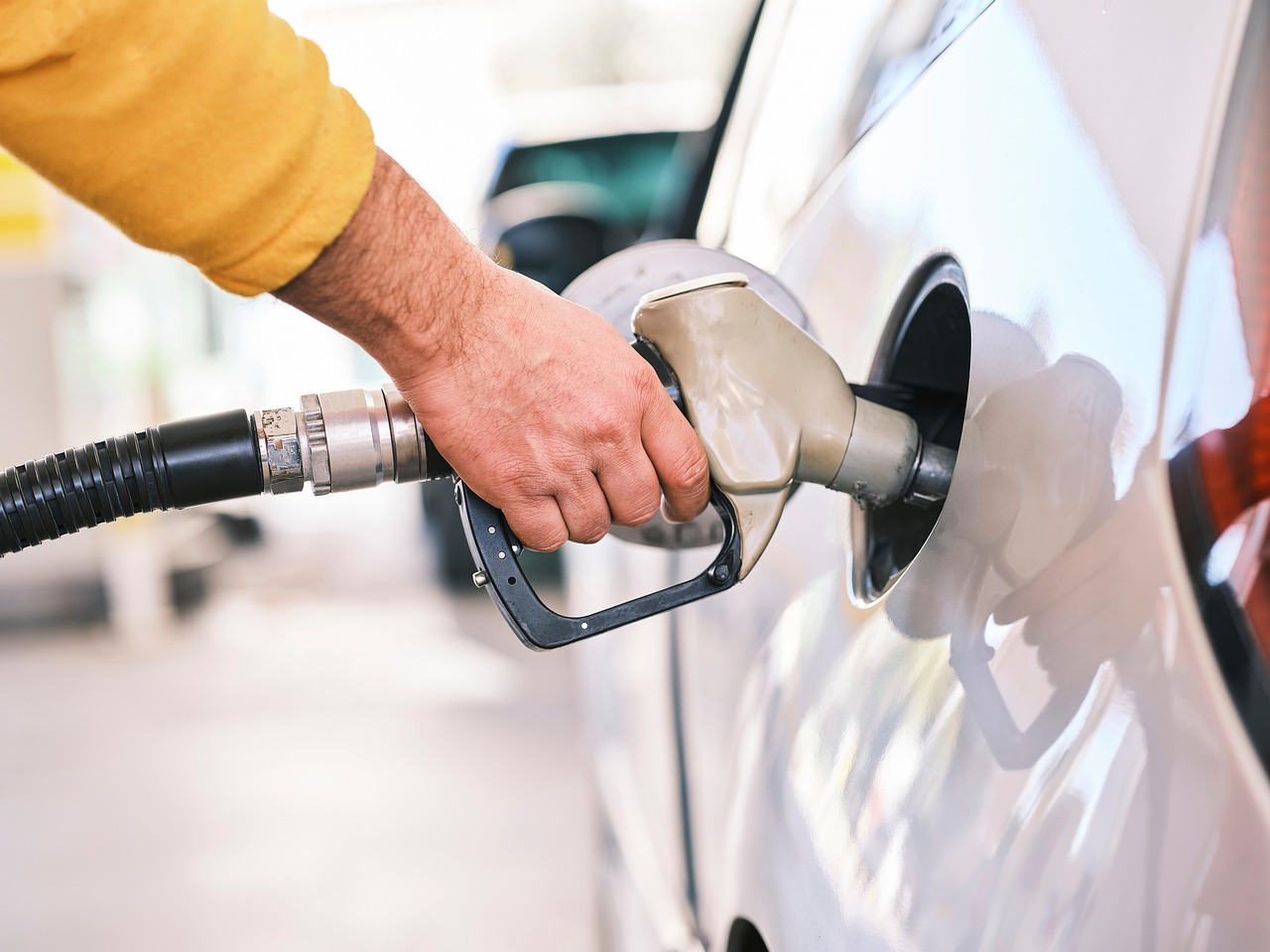
Diesel prices in the United States hit a record high of $5.85 a gallon on Friday, driven by disruptions to oil shipping caused by the ongoing conflict with Iran. The AAA predicted that travelers would face the highest fuel prices ever recorded over the Labor Day holiday weekend.
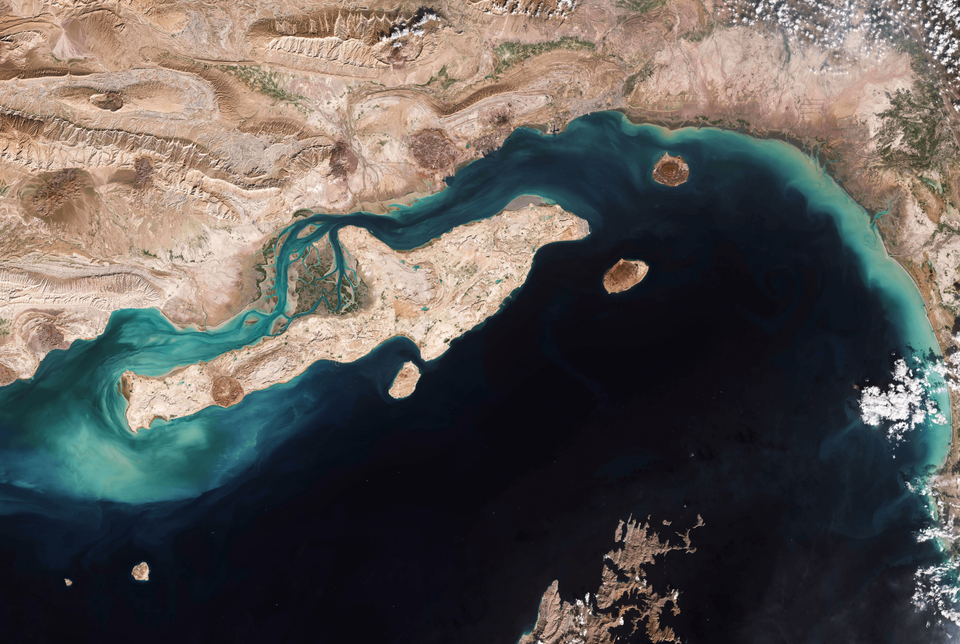
Despite President Trump's claims that oil flow out of the Persian Gulf has rebounded, shipping data tell a different story. According to data firm Lloyd's, reported by CBS News, 102 ships transited the Strait of Hormuz last week, down from 126 the week before. Pre-war levels had been at least 130 tankers daily.
Vice President JD Vance addressed the price surge Thursday but declined to say when Americans might see relief at the pump. "Gas, frankly, could have been much, much higher were it not for our efforts," Vance told reporters. He also said he "wouldn't call" the conflict a war.
Separately, Iranian army spokesman Brig. Gen. Mohammad Akrami-Nia argued Friday that the U.S. and Israel had failed to achieve their primary objectives, including the destruction of missile and nuclear capabilities and the overthrow of the Iranian government.
The conflict has also produced civilian casualty allegations that remain under investigation. Video aired by Iranian media showed thousands of mourners attending the funeral Thursday of 4-year-old Amir Mohammad Karimi, who Iranian officials say was among at least four people killed when a U.S. airstrike allegedly struck a wedding party in the city of Kuhestak on Tuesday. A coffin bearing a photo of the boy was carried through the streets of Kuhestak, in Iran's southern Hormozgan Province, before he was buried.
The U.S. military's Central Command said it is looking into the reports. Four military weapons experts reviewed video and photos of the aftermath for Reuters and determined it appeared to have been a likely direct hit with a U.S. munition, rather than a ricochet or other indirect fire. CENTCOM spokesman Capt. Tim Hawkins stressed that the U.S. military does not target civilians.
Vance said Thursday he was "extremely skeptical" of the Iranian allegations but acknowledged the investigation. "We're investigating it because obviously we care, we want to know," he said.