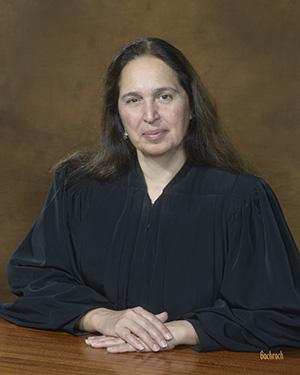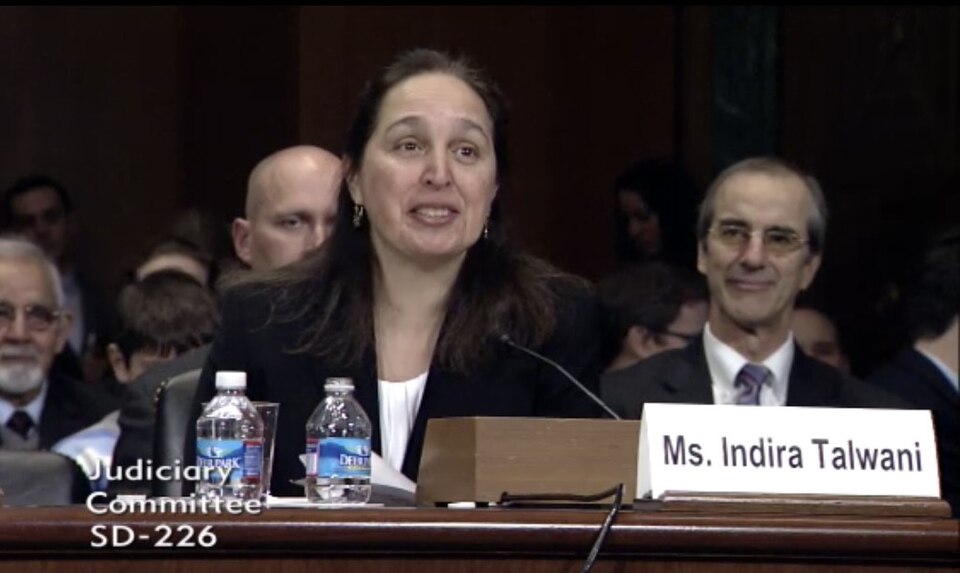
A federal judge extended her block of new U.S. Postal Service mail ballot rules Friday, keeping them from taking effect indefinitely as some states have already begun sending out ballots for the November midterm elections.
Judge Indira Talwani's temporary order, which had been set to expire September 10, is now in place unless a higher court acts. According to ABC News, the judge found that immediate implementation of the rules this close to the election "threatens disenfranchisement of millions of United States citizens who seek to vote by mail."
The rules stem from an executive order by President Donald Trump aimed at tightening access to mail ballots. They would mandate nationwide mail ballot design and review requirements and require states to submit a voter information database to USPS. Under the rules, postal workers would only deliver ballots addressed to voters who appear on the state-provided list, which would include each voter's name, home address, and a unique barcode.
Talwani concluded the rules are "unconstitutional where it intrudes not only on Congress's Elections Clause powers but also that power left to the States."
In her opinion Friday, Talwani wrote that the dispute was now ripe for judicial intervention. "Nothing is hypothetical," she said of the alleged harm to states, voters, and voter advocacy groups ahead of the November election.
The ruling raises the stakes for the U.S. Supreme Court, which had already been asked to weigh in on Talwani's earlier preliminary injunction. A decision from the high court is expected as soon as next week. States challenging the rule have until Tuesday, September 8, at 10 a.m. to formally respond before the justices act.
The Trump administration has insisted the rules impose only "modest" ballot design and review requirements and that the submission of voter name, address, and barcode information is not onerous. Trump has pushed claims of widespread mail ballot fraud, though those claims have not been substantiated.
Dozens of Democratic state attorneys general sued the Trump administration after an earlier lawsuit was blocked by the Supreme Court, which said at the time the challenge was premature since the regulations had not yet been finalized. Opponents of the rules argue the regulations are an attempt to federalize elections, which are historically and constitutionally managed by individual states.