

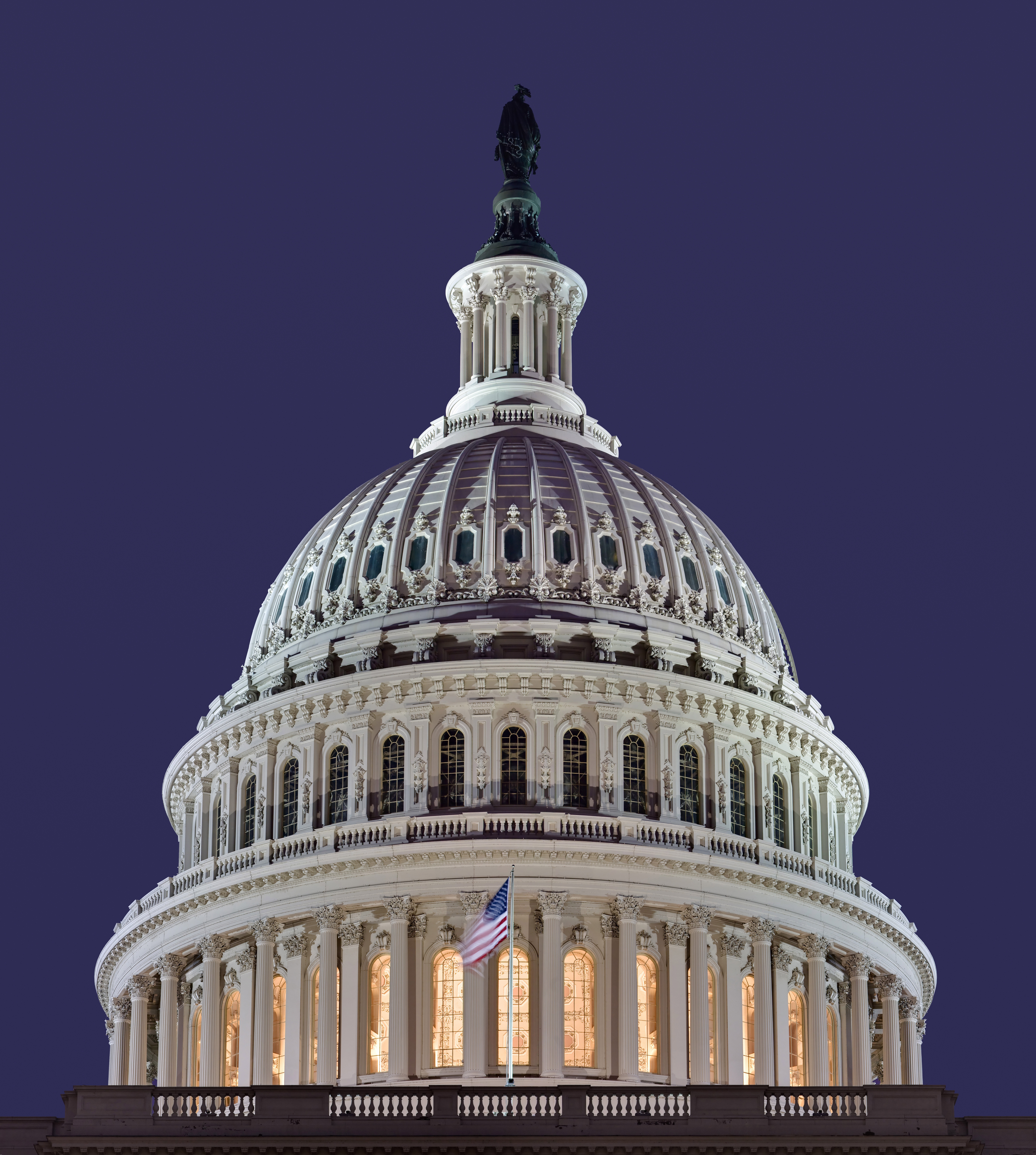
House Republicans have cut short their pre-election legislative schedule, canceling the last two weeks of planned activity in September. This means lawmakers will have had at least 15 weeks off between Memorial Day and the upcoming midterm elections on November 3. Under the revised schedule, the House is expected to return for votes on September 14 and leave Washington again no later than September 17.
During the time the House was in session, a general outline of health care priorities for Democrats began to emerge, according to STAT News. These plans are being considered should Democrats regain control of the chamber. STAT reported on September 8 that Democrats were sharpening their health care plans as the midterm elections approached.
Meanwhile, a top executive from UnitedHealth Group contributed to the campaign funds of Representative Katherine Clark of Massachusetts, according to a report from STAT News. Clark is currently the No. 2 Democrat in the House and recently won a primary race against two opponents. STAT’s analysis of federal records found that more than 40 UnitedHealth executives and board members collectively donated more than $100,000 to Clark’s campaign during the 2025-2026 election cycle. UnitedHealth CEO Stephen Hemsley and his wife each donated $7,000.
A group of Democratic lawmakers has urged the Trump administration to halt a new surveillance program that collects health data from emergency room visits, KFF Health News reported. The Consumer Product Safety Commission (CPSC) is reportedly pressuring hospitals to hand over personal medical information to a private company. This initiative has drawn strong opposition from hospitals and privacy advocates due to its broad scope.
The CPSC aims to gather millions of Americans’ medical records from emergency rooms for most injuries, even when a product is not involved. Internal documents show that the agency asked hospitals to provide information on over 10,000 types of injuries or conditions. These include cases like vaccine reactions, suicide attempts, and stingray stabs.
Massachusetts Senator Ed Markey, who sits on the Senate Health, Education, Labor, and Pensions Committee, led a letter to CPSC acting Chairman Peter Feldman. The letter criticized the program for exceeding the agency’s legal mission and warned of potential misuse by the administration.
Other Democratic members who signed the letter include Senator Richard Blumenthal of Connecticut, Representative Jan Schakowsky of Illinois, and Senator Ron Wyden of Oregon. CPSC spokesperson Steve Roney declined to answer questions about the program and said he would respond through official channels.
This effort is part of a broader pattern during Trump’s second term where government agencies have expanded their collection of sensitive medical data. Other agencies like the Office of Personnel Management and Health and Human Services have also requested health information from federal workers or private groups.
The CPSC has long operated a voluntary program called the National Electronic Injury Surveillance System or NEISS. Historically, this system collected limited data and only requested identifiable information in less than one percent of cases.
Early this year, CPSC staff quietly restructured the program under a new name, NEISS-R. They told hospital executives that participation was now mandatory and required more patient details than before. Hospitals were instructed to report information to a company named Konza Health.
Emails from CPSC’s chief data officer indicated that hospitals could only avoid reporting by applying for an exemption or face penalties. Those warnings relied on federal information-blocking rules, which are intended to prevent improper interference with the access, exchange, or use of electronic health information.
The rollout prompted widespread resistance from hospitals and advocacy groups. The American Hospital Association sent a letter in August expressing confusion and concern over the program’s scope. The AHA urged the CPSC to keep hospital participation voluntary, limit requests to information necessary for injury surveillance, provide more information about privacy protections, and conduct a notice-and-comment process.
In recent weeks, CPSC has removed references to the information-blocking rationale from its public website. Acting Chairman Feldman told Nextgov/FCW that the new program would remain voluntary. Feldman said the agency was not imposing a new mandate and that NEISS had historically been, and would remain, a voluntary program.
However, Democrats pointed out inconsistencies in the agency’s actions and lack of public transparency. They also noted that CPSC bypassed required legal steps for announcing such a program. KFF Health News reported that federal law requires public notice and a comment period before an agency requests information from 10 or more entities, while the CPSC planned to involve about 100 hospitals.
The Democrats’ letter requested a response from the CPSC by September 18.
The Democrats’ letter requested a response from the CPSC by September 18.