

The US military is reporting strategic shortages of ammunition and advanced weapons during its conflict with Iran, according to a report from the Pentagon's inspector general. The report detailed how the war led to strategic inventory shortfalls and revealed weaknesses in the defense industry's ability to quickly replenish supplies. Experts estimate it could take up to three years for the US to restore stocks of advanced missiles and defensive interceptors to their pre-war levels.
The inspector general said Operation Epic Fury had cost an estimated $33.4 billion from February 28 through June 30. Of that amount, $22.3 billion was spent on munitions and another $3.7 billion involved equipment losses. The report covers only the first four months of the conflict.
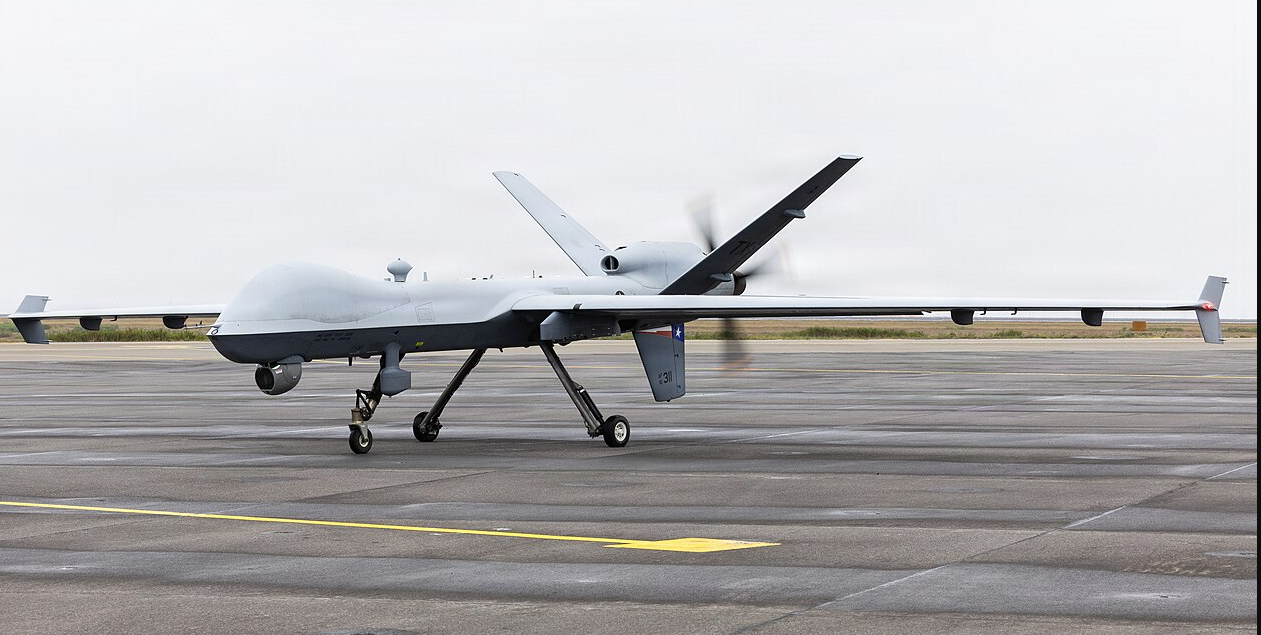
The inspector general's report also listed losses of military equipment, including four F-15 fighter jets destroyed and one F-35 damaged, according to Euronews. Seven KC-135 tanker aircraft were also damaged or destroyed, with five of them hit while on the ground in Saudi Arabia. Up to 30 MQ-9 Reaper drones, each valued at around $30 million, were also lost during the conflict.
The report noted that Iranian strikes caused extensive damage to US bases across the Middle East. Hundreds of buildings and structures were damaged or destroyed at bases in Kuwait, Bahrain, Qatar, the UAE, Saudi Arabia, Iraq, Oman, and Jordan.
The inspector general did not provide a total estimate for repairing or rebuilding the damaged military bases. The State Department separately estimated about $184 million in physical damage to US diplomatic facilities in Iraq, Kuwait, Saudi Arabia and the UAE.
It remains unclear whether all of the affected bases will be rebuilt or who will pay for the repairs. The damage also disrupted military logistics. US Central Command was forced to use more distant supply hubs including Diego Garcia. The report said this resulted in logistics cycles lasting 14 to 18 days.
Despite the findings, President Trump has continued to say that the US military has "virtually unlimited" amounts of mid- to high-grade ammunition and that weapons production is at record levels. On his Truth Social platform, Trump said the US is producing more advanced and elite weapons than ever before in history.
The Pentagon has maintained that the military currently has enough weapons to continue fighting any conflict. The inspector general's findings do not say the military has run out of ammunition. Instead, the report warns that heavy use of advanced weapons has created shortfalls in strategic inventories and exposed limits in how quickly replacements can be manufactured.
In a separate report, CBS News visited Lockheed Martin's production facility in Arkansas to observe the manufacturing of the latest Patriot missile model. Each Patriot missile costs approximately $4 million and the company is currently producing 750 units per year, according to a report from CBS News.
Lockheed Martin plans to increase Patriot production from about 750 missiles per year to 2,000. The company faces a complicated supply chain involving hundreds of suppliers. Some parts can take years to produce even though final assembly of a Patriot takes about six weeks.
Strategic experts say the US has enough weapons to handle a war against Iran but warn that such a situation would be different if fighting China were to occur. Mark Cancian of the Center for Strategic and International Studies said that while the US can manage a conflict with Iran, the challenge would be much greater in a war with China.
Cancian told CBS News that rebuilding different munitions stocks to their pre-war levels could take between one and five years. He said it would then take additional time to reach the inventory levels military planners would want for a possible conflict with China.
A separate Congressional Budget Office estimate released Tuesday put military costs from the Iran war at more than $38 billion through August 1. The CBO said costs could continue at as much as $3 billion a month depending on the intensity of the fighting.
Lockheed Martin missile division chief Tim Cahill said manufacturers must move quickly to identify production obstacles and remove them. Defense companies are adding shifts, expanding factories and increasing automation as the Pentagon pushes the industry to replenish weapons used in the conflict.