

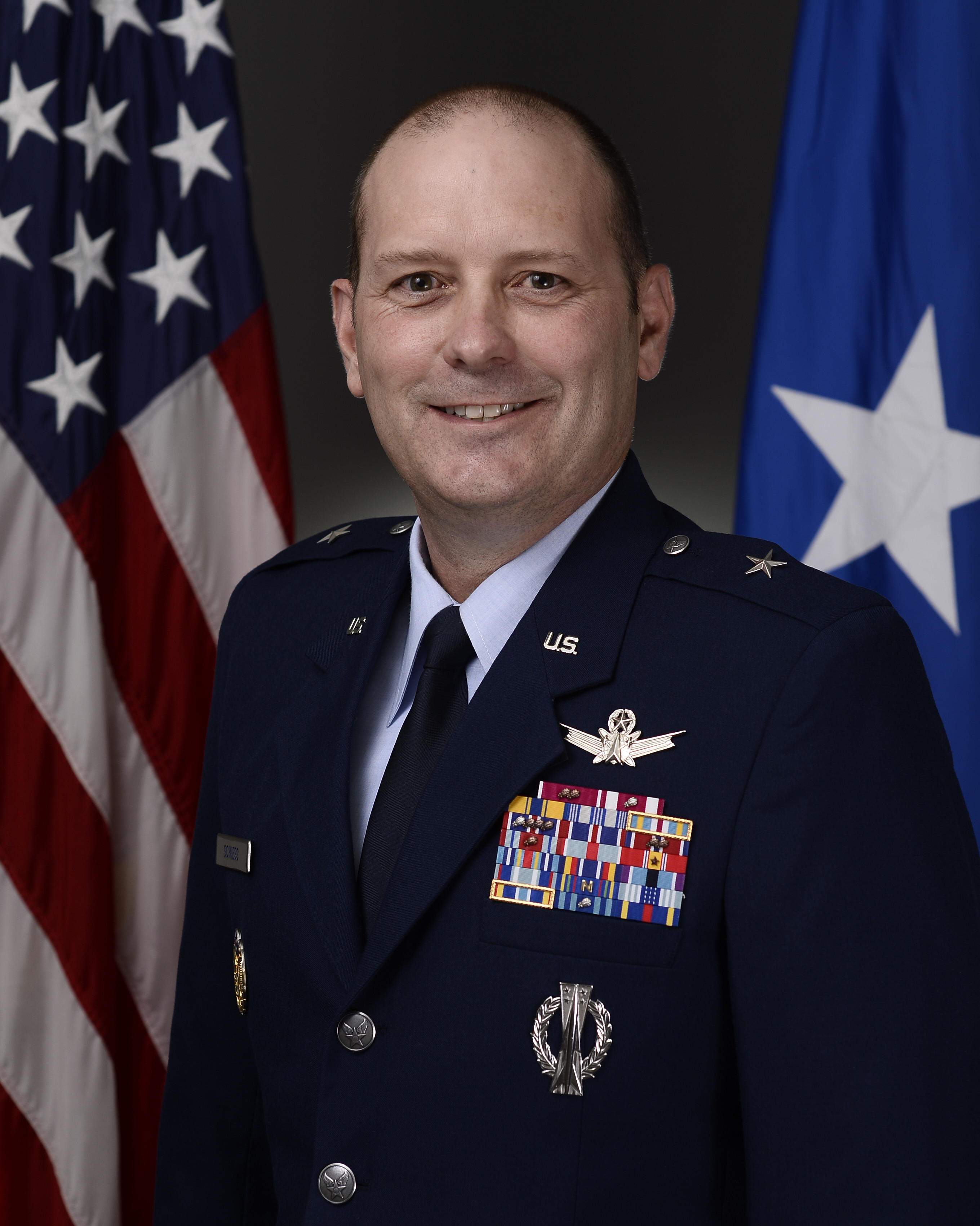
General Douglas Schiess delivered a speech at the Air & Space Forces Association’s Air, Space & Cyber Conference in National Harbor, Maryland. The event took place on September 15, during what was described as the State of the Space Force address.
General Schiess emphasized that space plays a central role in national security infrastructure and military operations, according to Space.com. He stated that the United States operates weapons in orbit, though he did not provide details about their exact nature or number. Air Force Secretary Troy Meink had made the first public disclosure a day earlier when he said the U.S. had fielded on-orbit space-control weapons.
The announcement itself is significant, as it confirms that the Space Force is actively managing such systems. Schiess described space as both a battlefield and a critical support system for joint military efforts. In his official remarks, Schiess said Guardians operate on-orbit weapons that can defend the Joint Force against space-enabled attacks.
He identified China and Russia as the main adversaries in this domain, noting their development of counterspace capabilities. These nations have created systems designed to interfere with or destroy satellites, including through electronic warfare and anti-satellite weapons. Reuters reported that U.S. officials said the disclosure was meant in part to deter what they describe as aggressive activity by China and Russia.
The United States has been increasing its military presence in orbit over the past decade and is now expanding those efforts further. Plans for the Golden Dome missile interception system, introduced by President Trump, are part of that expansion. Golden Dome is expected to include space-based elements for detecting and intercepting missile threats.
General Schiess referenced the Victus Haze mission as an example of how the Space Force is preparing to respond quickly to threats in orbit. He also highlighted the role of space assets in supporting military operations, including those in regions like Iran. Schiess said Victus Haze demonstrated the ability to launch and respond to an on-orbit threat in 17 hours.
Schiess said that Space Force personnel are not just observing from the sidelines but are actively delivering space power into active combat zones. His examples also described non-kinetic fires and electromagnetic warfare, though officials did not say whether those systems were the same weapons now operating in orbit. During Operation Epic Fury, Schiess described a Guardian with the 42nd Electronic Warfare Detachment who used a weapon system to conduct electromagnetic warfare against an adversary.
He added that the Space Force is working to build more powerful and responsive systems to meet evolving threats. General Schiess said the goal of these efforts is deterrence, not just defense. He said deterrence is strongest when the United States has a credible force and the resolve to use it if needed.
The Space Force’s approach to space power reflects a growing emphasis on military readiness in orbit. This development comes amid increasing global competition in space, particularly between the U.S., China, and Russia.
The U.S. is investing in new systems to protect its satellites and maintain a military advantage in space. General Schiess’s remarks point to a more openly acknowledged warfighting posture in space. His speech underscores how national security now depends heavily on capabilities in orbit.
The Space Force’s role is expanding beyond support missions toward a more direct warfighting role. This shift signals a major change in how the U.S. views its military presence in orbit. Analysts told Reuters that the public disclosure could affect how competitors assess U.S. capabilities and could contribute to further military investment in space.
The confirmation of weapons in space has also renewed debate about international cooperation and stability in orbit. It also highlights the Space Force's emphasis on maintaining a strong and adaptable military presence in space. General Schiess’s address was part of a broader effort to communicate the Space Force’s growing responsibilities.
The event took place in National Harbor, Maryland, and was attended by military and government officials. The Space Force is positioning space operations as central to U.S. defense and joint military operations.
Its focus on deterrence and rapid response reflects a strategy centered on readiness and the ability to act quickly in space. Analysts cited by Reuters warned that limited public information about the weapons could lead rivals to make their own assumptions and expand counterspace capabilities.
Space has supported military operations for decades and has never been entirely separate from national security competition. The 1967 Outer Space Treaty prohibits nuclear weapons and other weapons of mass destruction in orbit but does not expressly ban all conventional weapons in space. General Schiess's remarks make it clear that the United States is now publicly acknowledging capabilities that had previously been kept classified or ambiguous.
The United States is now openly shaping its space strategy around deterrence, rapid response and military readiness. China said it opposes an arms race or weaponization of space, while Russia said the U.S. disclosure threatened long-term stability in space activities.