

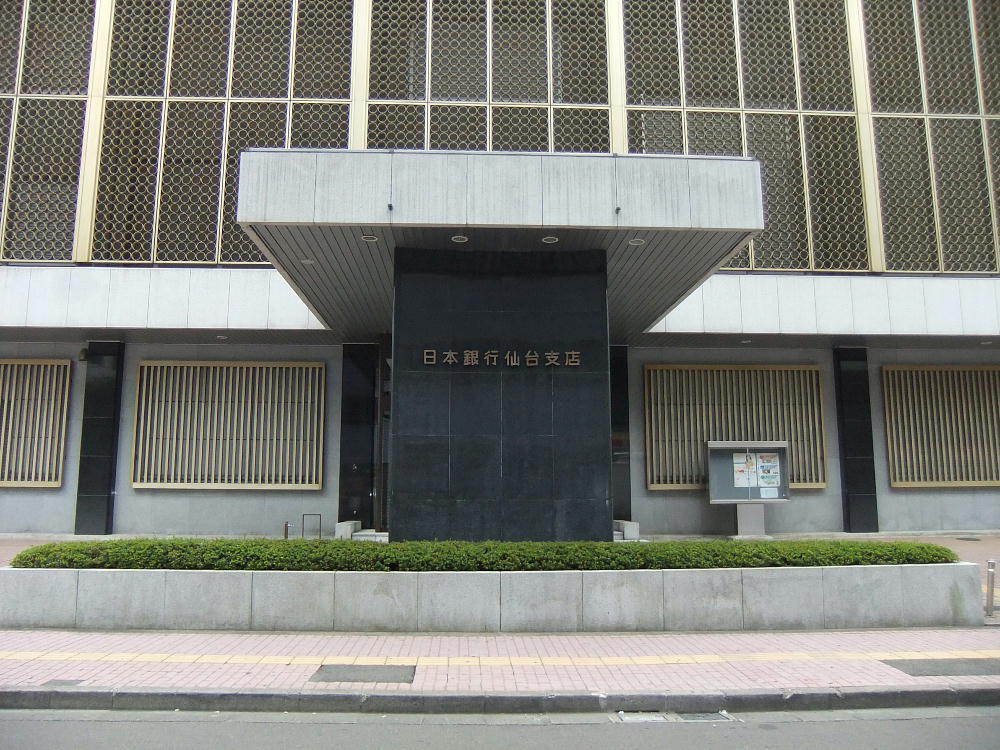
Japan's central bank has raised its benchmark interest rate to 1.25%, marking the highest level in over three decades. The decision came at the conclusion of a two-day policy meeting, and was widely anticipated by global markets. The bank increased rates by 25 basis points, following a similar move by the U.S. Federal Reserve earlier in the week. The Fed raised its target range by a quarter point to 3.75% to 4.00% on Wednesday.
The central bank's decision followed concerns about the weakening yen, which has been a major focus for policymakers. Japan and the United States recently coordinated to support the yen after sharp declines in the currency. Japan's Finance Minister Satsuki Katayama said officials remained prepared to take further action if necessary. The dollar rose as high as 158.05 yen after the Bank of Japan announced its decision on Friday.
Stock markets in Japan reacted in a way that surprised many observers, with prices rising despite the rate increase, according to reports citing CNBC. The Nikkei 225 gained about 1.5% while the yen weakened. Normally, interest rate hikes are expected to strengthen a country's currency and push up bond yields, which often pressures the stock market.
This latest rate increase brought Japan’s policy rate to its highest point since 1995, just three months after the last rise. The Bank of Japan raised the rate from 1% to 1.25%. The June increase had taken the rate to 1%.
Experts noted that the central bank's board had split on the decision, with two members voting against raising rates. The vote was 7-2. Board members Toichiro Asada and Ayano Sato opposed the increase. Hirofumi Suzuki, a senior FX strategist at Sumitomo Mitsui Banking Corporation, said the dissenting votes were unexpected.
One of the dissenters, Asada, pointed out that core inflation was still below 2%, suggesting economic conditions were not strong enough to justify a hike. Japan's core consumer inflation was 1.8% in July and eased to 1.7% in August. The August figure marked the eighth straight month that core inflation remained below the Bank of Japan's 2% target.
The Bank of Japan said wholesale inflation remained elevated and that price pressures between businesses were beginning to reach consumers. Governor Kazuo Ueda said the bank was increasingly focused on preventing underlying inflation from moving above its 2% target. He did not rule out consecutive rate increases or future increases of 50 basis points.
Market reactions were also shaped by the fact that no updated economic outlook report was issued alongside the rate increase. Analysts said this lack of new forecasts limited how strongly the bank could communicate its hawkish stance. Masahiko Loo, a senior fixed income strategist at State Street Investment Management, emphasized this point. Shigeto Nagai, who leads Japan economics at Oxford Economics, also noted that the tone of the statement was less aggressive than expected.
Earlier in the year, U.S. Treasury Secretary Scott Bessent had urged Japan to take stronger steps to address economic and currency pressures. He met with Japanese Finance Minister Satsuki Katayama in May as the two countries discussed exchange rates and market developments. Bessent later expressed support for more decisive monetary steps as the yen remained weak.
The central bank said it would continue raising rates as economic and inflation conditions evolve. It also said financial conditions remained accommodative even after the latest increase.
Sam Jochim, an economist at EFG International, suggested that rate increases might occur roughly every three months. He estimated that rates could eventually reach between 1.75% and 2% in 2027. Reuters economists were somewhat more cautious. A Reuters poll found analysts expected the rate to reach 1.5% by the end of March 2027 and 1.75% during the second quarter of that year.
Stefan Angrick from Moody’s Analytics also expects another rate increase around the end of the year, but warned that weak demand-driven inflation and disappointing real wage growth could limit further hikes.
The central bank’s decision reflects ongoing efforts to stabilize the economy amid global financial shifts and currency pressures. The Bank of Japan is also moving further away from the ultra-low interest rate policies that shaped its monetary policy for decades. Even at 1.25%, Japan's policy rate remains well below the Federal Reserve's 3.75% to 4.00% range and the European Central Bank's 2.5% rate.