

Saudi authorities reported intercepting and destroying a ballistic missile aimed at the capital city of Riyadh on Saturday morning. The attack occurred hours after flames and thick smoke were seen rising from fuel storage tanks near King Khalid International Airport in Riyadh. Saudi officials said there were no casualties or reported damage from the intercepted missile.
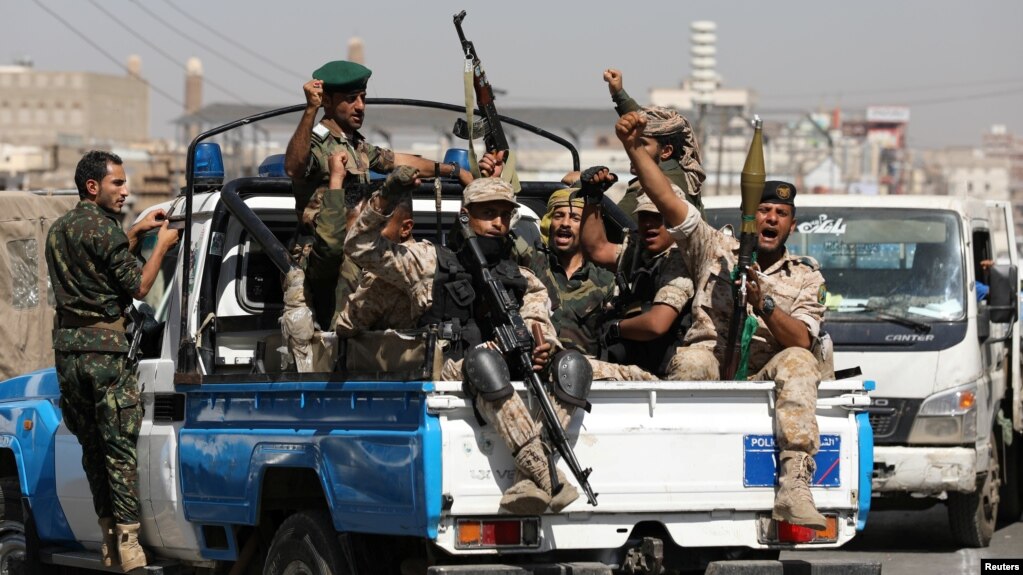
Houthi military spokesperson Yahya al-Sarea claimed responsibility for launching a large number of ballistic missiles, cruise missiles, and drones. The strikes targeted what the Houthis described as sensitive infrastructure in Riyadh and facilities belonging to the state oil company Aramco in Yanbu on the Red Sea coast. Saudi officials said air defenses also stopped attempted attacks on Yanbu, Taif, Baysh and Farasan. The Houthi claims that Aramco facilities were successfully hit had not been independently verified.
The attack marked the first Houthi ballistic missile attempt against Riyadh since the latest escalation in fighting began. Residents received emergency alerts warning of a hostile aerial threat and were told to remain indoors. Some residents reported hearing explosions and feeling windows shake during the alerts.
Separate fighting in Yemen also produced heavy casualties. Military sources said 31 Houthi fighters and 17 soldiers from the Saudi-backed Yemeni government forces were killed in ground fighting during the previous 24 hours. Those deaths were not reported as casualties from the attack on Riyadh.
The renewed attacks come as fighting in Yemen has intensified after several years of relative calm following the 2022 truce. Houthi forces have made gains along Yemen's Red Sea coast and taken control of territory near the Bab el-Mandeb Strait. The waterway is an important route for international shipping and energy exports.
Saudi Arabia has become increasingly dependent on its Red Sea export route because shipping through the Strait of Hormuz has been severely disrupted by the wider conflict involving the United States, Israel and Iran. The kingdom has used its East-West Pipeline to carry oil from eastern Saudi Arabia to Yanbu. Before it was shut down, the pipeline was carrying roughly 4 million to 5 million barrels per day.
That route has also come under attack. Saudi Arabia shut the East-West Pipeline after a drone strike that Riyadh and Baghdad said originated in Iraq. Reuters reported that the disruption led Saudi Arabia to suspend crude loadings at Yanbu and cancel some deliveries to European customers.
The pressure on both the Red Sea route and the Strait of Hormuz has increased concerns about global oil supplies. Brent crude recently traded above $100 a barrel as markets reacted to the disruptions.
Investment bank JPMorgan noted that it was difficult to predict how oil prices would react to ongoing regional tensions. The bank warned investors that the situation lacked clear direction and that modeling future outcomes was extremely challenging. JPMorgan strategists said they no longer had a clear baseline view for how the conflict would end.
The latest attack on Riyadh adds another source of pressure to an already unstable regional situation. It also highlights the growing importance of Saudi Arabia's air defenses and energy infrastructure as the conflict around Iran and Yemen expands across several fronts.