

Italy has seen a growing presence of West Nile virus as temperatures rise, with cases now reported each summer and early fall. The virus is considered endemic in the country since 2020, when infections began to increase significantly. Most people infected with West Nile show no symptoms, while others experience mild flu-like illness. A small number of infections lead to serious neurological problems, especially in older adults or those with health issues.
Researchers say that warmer weather helps mosquitoes reproduce more quickly and extend their active season into November, according to the Associated Press. The extended mosquito season increases the risk of spreading the virus to humans, according to experts.
Health officials in Italy are monitoring the situation closely, with 657 confirmed infections reported through September 16, according to Italy’s National Institute of Health. The agency also reported 51 deaths among confirmed cases. Italy accounted for about 44 percent of locally acquired West Nile cases reported across Europe through September 17.
The country’s surveillance system tracks mosquitoes, birds, blood donors and human infections to detect outbreaks early. Italy's experience with the virus is now being studied by other European nations, especially those farther north.
Belgian researchers recently visited Italy’s National Institute of Health to learn about its monitoring methods. The Netherlands has also seen a rise in West Nile cases this year, with more than two dozen cases reported for the first time since 2020 and several deaths reported.
Experts believe that climate change is not the only factor but plays a major role in expanding mosquito seasons. Changes in land use and loss of biodiversity may also contribute to increased virus activity.
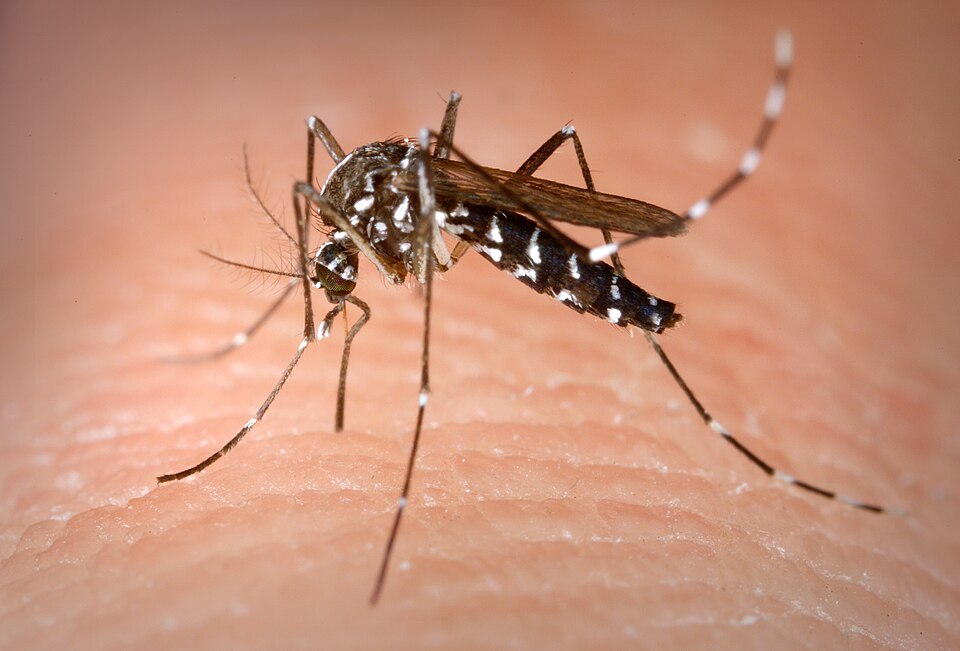
The Aedes albopictus mosquito is spreading across Europe, but it is not considered a major carrier of West Nile virus there. The European Center for Disease Prevention and Control says Culex pipiens and Culex modestus are the main West Nile vectors in Europe. Aedes albopictus can transmit West Nile virus under laboratory conditions but is considered of little importance in its spread to people.
In 2013, Aedes albopictus was established in eight EU and European Economic Area countries and 114 regions. By April 2026, ECDC said it was established in 384 regional units across 16 EU and European Economic Area countries.
The European Center for Disease Prevention and Control warned that warming trends make conditions more favorable for invasive mosquito species. Aedes aegypti, another mosquito capable of spreading West Nile, has been established in Cyprus since 2022. This mosquito is known to transmit several diseases including dengue, yellow fever and Zika.
Scientists say that the virus itself survives better in warmer temperatures, which helps it spread more easily. The situation shows how climate change can affect public health by altering disease patterns and increasing vector activity.
Researchers in Italy are continuing to track the spread of West Nile virus through their comprehensive monitoring system. They emphasize that understanding these trends is key for preparing public health responses in a changing climate.