

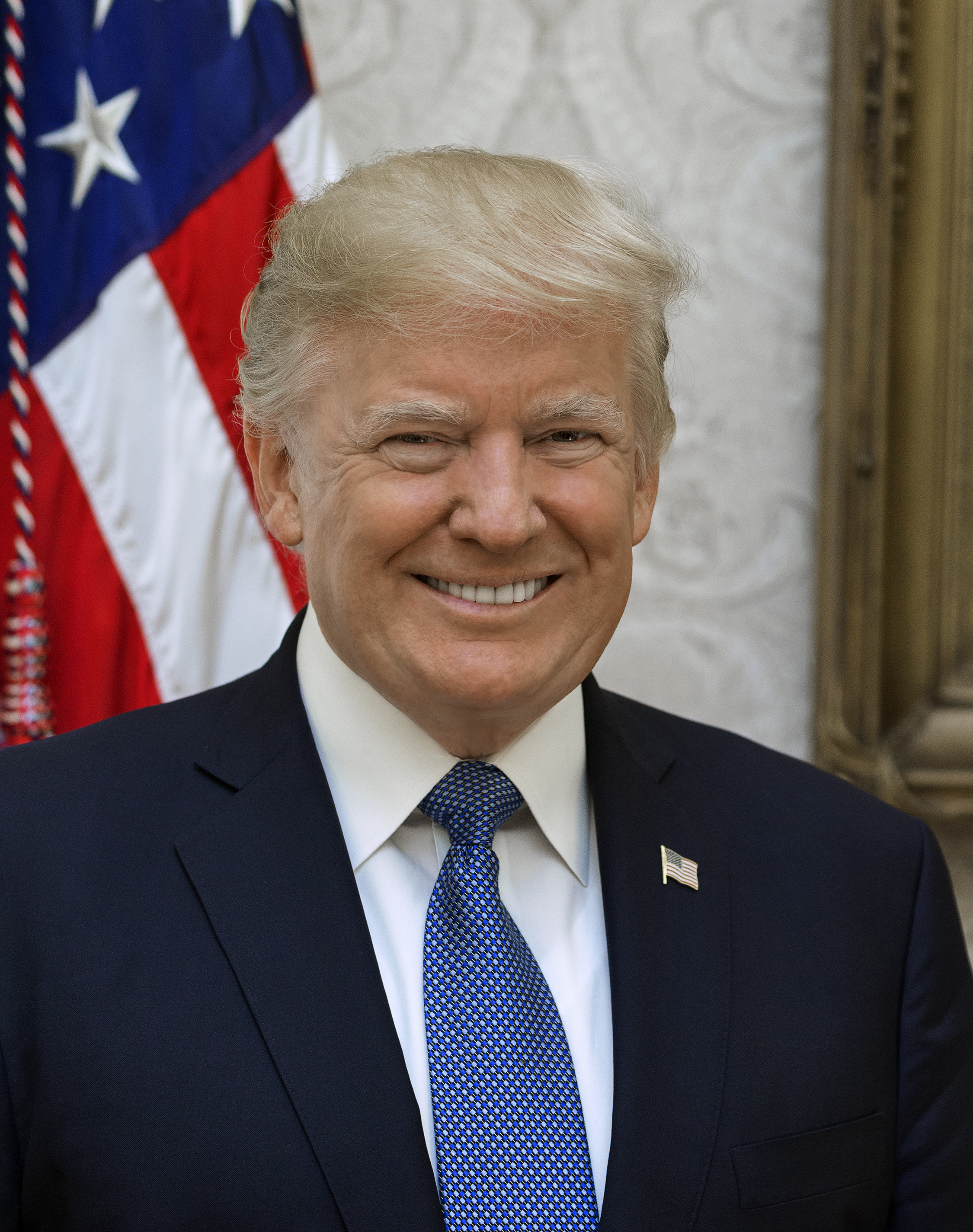
President Donald Trump has announced a ban on access to the White House grounds for CNN, MS NOW, and Politico journalists. The decision was made public through a Truth Social post on Friday, where Trump cited what he called "fake news" reporting by the three outlets. He also warned that other media outlets could face similar treatment and later named The New York Times and The Washington Post when asked which outlets might be next.
The action continues a series of disputes between Trump and news organizations over White House access and coverage. During a press conference Friday afternoon, a reporter asked Trump if he was trying to intimidate the media. Trump responded by saying he disliked dishonest press and told the reporter, "I think you're terrible."
He did not point to a specific incident as the reason for the ban, instead stating that his frustration had been building over the past two years. Reuters reported that Trump described the reason as cumulative coverage over the past few years.
On Saturday morning, MS NOW issued a statement saying its journalists were denied access to the White House grounds. Reporter Akayla Gardner said an officer told her that her badge had been disabled and that the decision was "above him." However, an MS NOW producer was able to enter the grounds, according to the network.
MS NOW also said it would continue to report on the president and emphasized that the White House belongs to the American people. CNN reporter Betsy Klein also reported being denied access on Saturday morning. She said her badge was deactivated and confiscated. Klein said she was referred to the White House press office for answers.
Politico’s White House reporter Cheyenne Haslett was also denied entry to the White House grounds on Saturday. Her badge was confiscated, according to the Associated Press. Politico Global Editor-in-Chief Jonathan Greenberger said the newsroom would vigorously defend its First Amendment rights.
The White House Correspondents' Association called on the administration to immediately restore access to the journalists involved. WHCA President Jacqui Heinrich said denying access because of coverage violates First Amendment protections and could affect other outlets in the future.
The three outlets also said they would continue reporting and indicated they could pursue legal action. CNN said it would continue its work holding the government accountable. MS NOW said it intended to take steps necessary to defend its First Amendment rights.
The administration has also taken legal action against outlets like The New York Times and The Wall Street Journal. Reuters reported that Trump has filed lawsuits against those organizations as well as the BBC and other media companies.
In Trump's first term, the White House sought to revoke CNN reporter Jim Acosta's credentials, and a federal judge ordered his pass restored. In his second term, Trump restricted Associated Press access after the AP declined to adopt "Gulf of America" as its primary name for the Gulf of Mexico.
A lower court ruled the AP restrictions were retaliatory and violated the First Amendment, but an appeals court paused that ruling while the case continues. The appeals court heard arguments in the case but had not issued a new ruling at the time of the latest report.
Legal experts cited by Reuters said broader exclusions from generally available White House press facilities could face stronger First Amendment challenges than decisions involving small events where access is limited.
Critics argue that the latest ban undermines press freedom and the constitutional right to report on government affairs without interference. The affected outlets maintain that the government cannot deny them access because officials object to their coverage.