

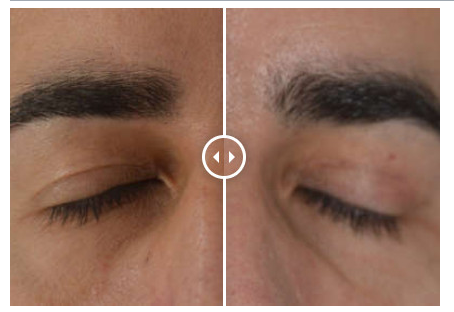
Nikita Morgan had stitches in her upper eyelids after undergoing a procedure known as a blepharoplasty, or 'bleph'. She chose to have the surgery after watching videos about it on social media.
The 31-year-old from Dublin wanted to make her eyes more defined. She said surgery in Ireland would have cost more than €4,000. She instead found a €750 procedure offered by Dutch company Faceland at its clinic in Düsseldorf.
Nikita was not alone in her experience — dozens of people have reported similar issues following the same type of treatment, according to the BBC. One woman had to tape her eyes shut while sleeping because too much skin was removed during her procedure. Another patient feared she was losing her sight due to complications from the surgery.
UK surgeons have also seen patients who could not close their eyes properly after receiving treatment abroad. A BBC survey of 63 members of the British Oculoplastic Surgery Society in the UK and Ireland found that an inability to properly close the eyes was the most common problem they had seen following overseas blepharoplasty procedures.
Nikita described her reaction as being in 'shell shock' and said the experience was horrible.
She left Germany within hours of the surgery, feeling traumatized by what happened. Medical experts and Faceland advise against flying on the same day as the procedure. Nikita later said she regretted doing so.
In recent years, videos promoting this kind of eyelid surgery have been widely shared on social media platforms. These posts were viewed nearly 150 million times over the past three years, according to BBC analysis.
That was five times the number of views recorded during the previous three years. Many of the social media posts show people reporting positive results from the procedure.
Some individuals said their droopy eyelids were affecting their vision and causing headaches.
Faceland claims it is transforming the market by offering affordable care. The company’s website states its goal is to make high-quality treatment accessible and cost-effective.
Faceland told the BBC that it has performed more than 2,950 bleph procedures on UK patients at clinics in the Netherlands, Germany and Switzerland since October 2024. The company said fewer than 1% of its procedures had resulted in a complaint. However, the BBC noted that this figure does not include every patient who needed revision surgery.
The majority of patients who told the BBC about problems with their bleph procedures had been treated at Faceland clinics. However, the BBC said the total number of complications at the company is not known. Faceland says it provides safe and quality treatments.
In the UK, surgeons typically say upper eyelid surgery takes around three hours including preparation and recovery time. Patients interviewed by the BBC said they spent less than an hour at Faceland clinics. The company said its higher volume of procedures helps it keep costs lower.
Another patient, identified by the BBC as Laura, had crescent-shaped incisions above her eyes that were held together with stitches. After she removed the stitches the wounds opened. They became raw and infected.
Laura, who is in her early 40s, said she tried calling the clinic’s emergency line multiple times but could not get through.
She explained that closing her eyes for too long caused her wounds to reopen due to tension.
Laura went to an emergency department four times following her surgery. An NHS eye specialist later told her that too much skin had been removed. Faceland said it could not discuss her case in detail because Laura is pursuing legal action against the company.
Nikita also faced problems after returning home. A week after surgery she removed her own stitches after watching TikTok videos to learn how to do it. Faceland said patients are given information about stitch removal and can return to one of its clinics to have the stitches taken out. Nikita said she did not receive an aftercare pack or instructions.
UK specialists warned that removing stitches without medical supervision can increase the risk of infection or cause wounds to reopen.
The problems reported by the patients are among the known risks of blepharoplasty. The NHS lists infection and visual impairment among possible complications. Other risks include noticeable scarring, changes in eyelid sensation, injury to eye muscles and the lower eyelid turning outward.
The UK government also warns people considering medical treatment overseas that medical standards and qualifications can differ between countries. It advises patients to research providers carefully and consider what aftercare will be available after they return home.
Nikita said she is now mostly happy with the result apart from a small scar. However, she wants others considering cheap eyelid surgery abroad to understand the possible risks before making the same decision.