

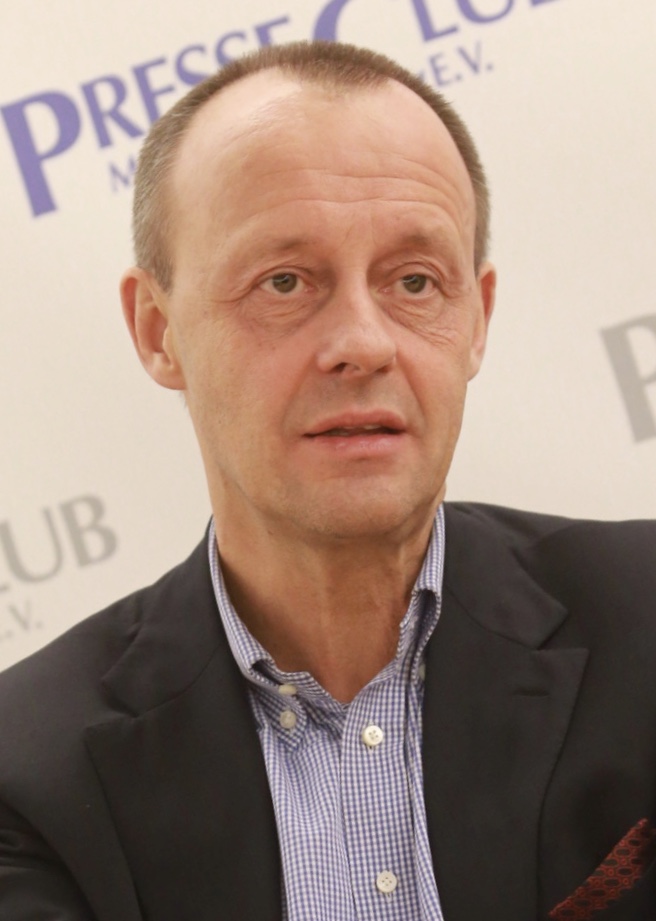
German Chancellor Friedrich Merz arrived in Kyiv on Sunday for an unannounced visit aimed at showing support for Ukraine as it faces increasing Russian missile and drone attacks. The city is under heavy bombardment with attacks increasingly targeting infrastructure such as energy systems that are critical as winter approaches. Merz said he came to Kyiv because Ukraine needs strong support in the coming weeks and emphasized that Germany remains Ukraine’s largest donor.
He was accompanied by Economy Minister Katherina Reiche and representatives of German defense and energy companies. Upon arrival he was greeted by Ukraine’s Foreign Minister Andrii Sybiha; the two sides later discussed bilateral and European security issues with President Volodymyr Zelenskyy. Sybiha said the agenda would focus on strengthening Ukraine’s defense and resilience as well as shared European security.
The visit also highlighted collaboration between German and Ukrainian companies working on joint technology projects. Earlier this week Merz called for unity within NATO and Europe as well as within Germany as the far-right and Moscow-friendly AfD gains influence.
Russia had warned foreign nationals and diplomats to leave Kyiv and said it would continue large-scale retaliatory strikes.
The Russian Foreign Ministry stated that any negative outcomes from ignoring this warning would be fully the responsibility of those who ignored it. This was not the first time Moscow had issued such a warning; it made a similar warning in May.
Kyiv has been hit by repeated missile and drone attacks and officials have repeatedly asked for more air defense supplies. In recent days Russian forces have targeted bridges over the Dnipro River; attacks forced the full or partial closure of three of Kyiv’s six road bridges earlier in the week. A Russian drone struck the Northern Bridge again on Sunday during Merz’s visit.
Kyiv mayor Vitali Klitschko described the city’s situation as very dramatic and said it should now be fully prepared for war conditions.
Merz emphasized that the relationship between Germany and Ukraine is not one-sided and pointed to shared efforts in developing new technologies. Germany announced more than €1.3 billion in new support during the visit including €1 billion in military aid and €350 million for energy infrastructure. German and Ukrainian partners also signed agreements covering defense production and energy cooperation.
Russian attacks have also targeted apartment buildings and supermarket warehouses as well as gas stations and data centers in addition to bridges. Russia invaded Ukraine more than four years ago and there are no clear signs that peace negotiations might succeed. Zelenskyy said Ukraine remains open to renewed peace talks while calling for greater pressure on Russia.