

A 28-year-old woman who worked at an anti-plague laboratory in Russia has died after developing severe pneumonia. Russian officials say the cause remains unknown and have not confirmed pneumonic plague. The case has sparked international concern and requests for more information.
Russia’s health watchdog Rospotrebnadzor said extensive testing found no microorganisms linked to the woman’s professional activities. The agency also said it found no incident at the institute involving pathogenic microorganisms.
Key facts about her condition remain unknown. It has not been confirmed whether Darya Shipilova was infected with plague bacteria or whether any laboratory exposure occurred.
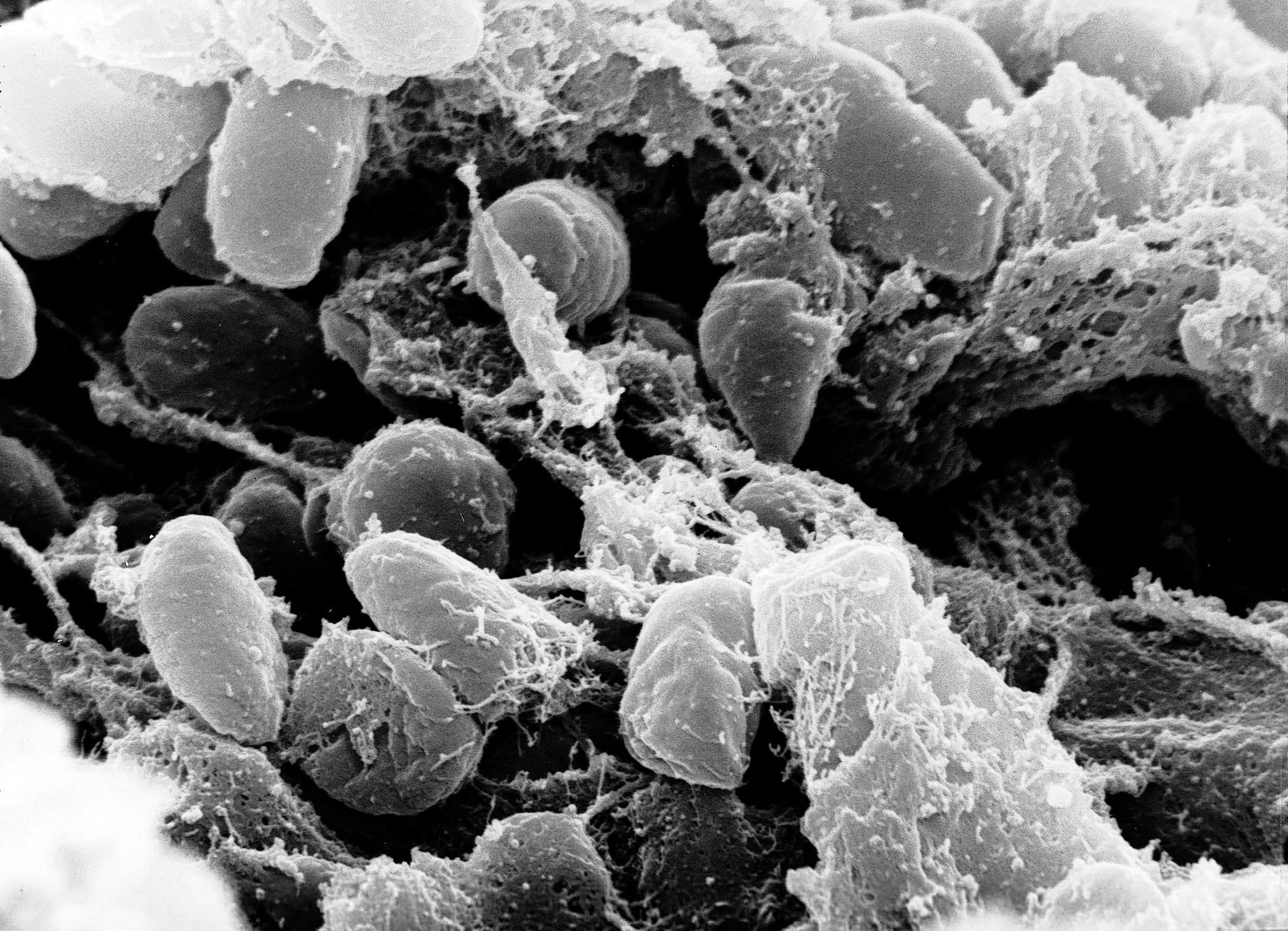
The bacterium that causes plague is Yersinia pestis and it is the same pathogen associated with the Black Death. Pneumonic plague attacks the lungs and can spread from person to person through respiratory droplets.
The head of Russia's eastern Republic of Buryatia initially said the woman may have died from plague before changing his post. Russian health officials have continued to describe her illness as pneumonia of unknown origin.
Russian officials said everyone identified as having contact with Shipilova was placed under medical observation. Rospotrebnadzor said two contacts tested positive for a common cold virus and two others tested positive for COVID-19 while the remaining tested contacts were negative.
Health experts say pneumonic plague is rare but extremely deadly if not treated quickly. The World Health Organization says untreated pneumonic plague can be fatal within 18 to 24 hours after symptoms begin. Antibiotics can cure the infection when treatment starts early.
The infection spreads through respiratory droplets and usually requires close contact rather than long-distance airborne transmission. Dr. Simon Clarke from the University of Reading said pneumonic plague is nearly always fatal without prompt treatment but antibiotics can be effective.
Secretary of State Marco Rubio said there was concern about possible spread but no reason for alarm at this time. Rubio added that the situation is being monitored closely and that quarantine measures are in place.
Modern antibiotics and infection-control measures make plague far more manageable than it was during past pandemics. Experts also note that plague still exists naturally in animal populations in several parts of the world.
In July 2025 a man in Arizona died from pneumonic plague after occupational exposure to sick cats. The CDC said he died less than eight hours after being admitted to a hospital despite receiving broad antibiotic treatment and intensive oxygen support.
The World Health Organization recognizes three main forms of plague: bubonic; pneumonic; and septicemic. Bubonic plague is the most common form and usually follows the bite of an infected flea. Untreated bubonic plague can spread to the lungs and become pneumonic plague.
Healthcare workers caring for suspected pneumonic plague patients use standard and respiratory droplet precautions.
The situation remains under review as more information becomes available from Russian authorities and international agencies.