

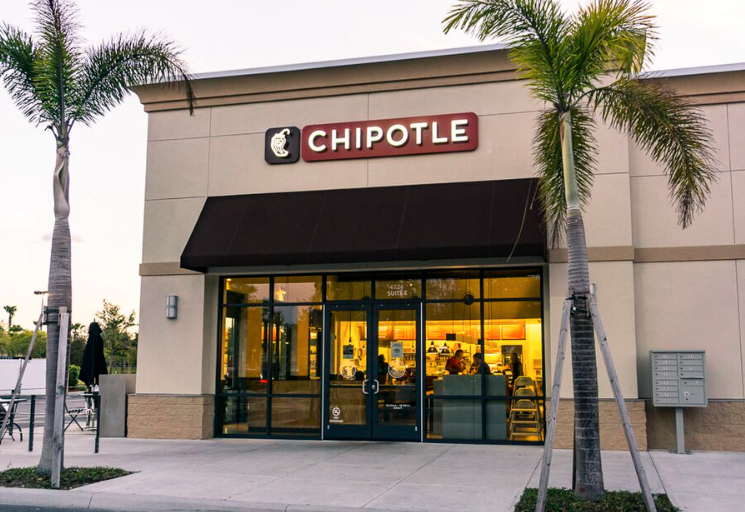
Starbucks has explored a possible acquisition of Chipotle Mexican Grill in what could become the largest takeover in restaurant industry history. The reported discussions would reunite Starbucks CEO Brian Niccol with the restaurant chain he led for six years before joining the coffee giant in 2024.
The Financial Times reported on October 8, 2026, that Starbucks had worked with advisers in recent months to consider a potential takeover proposal. The report cited people familiar with the discussions but did not establish whether Starbucks had submitted a formal offer.
Neither company has announced negotiations or an agreement. Starbucks declined to address the takeover speculation directly, emphasizing that it remains focused on improving its existing business.
The potential acquisition has attracted considerable attention because of its size and the connection between Niccol and Chipotle. It also raises questions about whether Starbucks could manage a major purchase while continuing its own turnaround.
Chipotle was valued at approximately $39 billion before its shares climbed following the report. A completed acquisition could cost substantially more because buyers typically must offer shareholders a premium above the company's prevailing market value.
Starbucks, with a market capitalization exceeding $100 billion, is considerably larger than Chipotle. However, purchasing another publicly traded restaurant company would still represent a major financial commitment.
Reuters reported that Chipotle shares rose approximately 6% on October 8 after news of the possible transaction emerged. Starbucks shares initially declined as investors considered the costs and potential complications of a takeover.
The contrasting market reactions reflected different expectations. Chipotle shareholders could benefit from an acquisition premium, while Starbucks investors would need to consider the financial obligations and business risks associated with a purchase.
Niccol's previous leadership at Chipotle is a central part of the story. He became the company's chief executive in 2018 after serving as CEO of Taco Bell and remained in that position until 2024.
During his six years at Chipotle, Niccol oversaw substantial growth in sales, digital ordering and restaurant operations. He also helped restore consumer confidence following food safety problems that had damaged the chain's reputation.
Chipotle's annual revenue grew to approximately $10 billion during his leadership. The company expanded its restaurant network and developed digital ordering services that became an important part of its business.
His success attracted Starbucks, which appointed him chief executive in September 2024. At the time, the coffee chain was struggling with declining customer traffic, slower service and concerns about its traditional coffeehouse experience.
Niccol introduced a turnaround strategy known as Back to Starbucks. The initiative focuses on improving customer service, reducing wait times and making stores more welcoming.
The company has invested heavily in staffing and operational improvements. Those changes are intended to help employees serve customers more efficiently while restoring the atmosphere that once distinguished Starbucks from many competitors.
Starbucks has committed at least $500 million to labor investments as part of its restructuring. The additional spending has contributed to pressure on profitability, even as the company's sales performance has shown improvement.
The coffee chain has reported four consecutive quarters of comparable sales growth under Niccol. Comparable sales measure changes at established locations and provide an indication of how the existing business is performing.
However, stronger sales have not yet translated into the profit margin improvements some investors want. Starbucks reported an adjusted operating margin of 14.4% in its latest fiscal quarter, compared with 16.7% two years earlier.
That difference has become important in discussions about the possible Chipotle acquisition. Investors must consider whether Starbucks should concentrate its resources on improving profitability before pursuing another major restaurant brand.
Starbucks reinforced that priority when responding to the takeover report. The company said it remained focused on executing its existing turnaround strategy and achieving sustainable long-term growth.
Chipotle faces a different set of challenges. Although the company remains a major force in fast-casual dining, weaker customer traffic and higher operating expenses have pressured its performance.
Consumers have become more cautious about restaurant spending as they manage higher prices for food and other necessities. That has made it harder for restaurant chains to maintain customer visits without increasing discounts or promotional spending.
Chipotle has also faced rising labor and ingredient costs. These pressures can reduce profit margins when companies cannot increase menu prices without discouraging customers.
The company's stock has declined sharply since Niccol left in 2024. By early October 2026, its market value had fallen substantially from the levels reached during his final months as chief executive.
Scott Boatwright, who succeeded Niccol, has been working to address those challenges. His efforts include improving restaurant operations, attracting customers and continuing the company's expansion.
Chipotle has also pursued opportunities outside the United States. Its international strategy includes partnerships and planned growth in markets such as Mexico, South Korea and the Middle East.
The company has nearly 4,000 restaurants in the United States and approximately 100 international locations, based on figures reported at the end of 2025.
Starbucks operates a much larger global network, with roughly 40,000 stores across numerous markets. Its international experience and existing business relationships could offer Chipotle opportunities to expand more quickly.
Some analysts believe that access to Starbucks' global partnerships could be one of the most attractive features of a potential combination. Chipotle could benefit from established market knowledge and connections in countries where it currently has a limited presence.
However, those possible advantages are not guaranteed. The two companies operate different restaurant models, and combining their businesses would require careful planning.
Starbucks primarily sells beverages, prepared foods and other products designed for relatively quick service. Chipotle operates restaurants that prepare customizable meals using fresh ingredients.
Their supply chains, equipment requirements and staffing needs differ considerably. Those differences could limit the savings available through shared purchasing, distribution and restaurant operations.
Axios reported that analysts at William Blair questioned whether combining the businesses would generate substantial new revenue. The firm identified limited overlap between the companies beyond potential loyalty-program partnerships and other marketing opportunities.
The analysts estimated that a merger could eliminate approximately $300 million in annual corporate and technology expenses. However, those possible savings would need to be weighed against the enormous acquisition cost.
Financing represents another major obstacle. A transaction involving Chipotle could require Starbucks to borrow tens of billions of dollars, issue additional shares or use some combination of financing methods.
Borrowing would increase interest expenses and place additional obligations on the combined business. Issuing shares could reduce the percentage ownership held by existing Starbucks investors.
A buyer would also need to consider the costs of integrating management, technology and administrative operations. Those expenses can continue for years after an acquisition is completed.
Analysts have expressed concern that such a complicated transaction could distract Starbucks leadership from its current business priorities.
Niccol is still overseeing major changes to the company's stores, staffing and customer experience. Adding responsibility for Chipotle could place additional demands on his management team.
Other analysts see potential benefits from his familiarity with both companies. Niccol understands Chipotle's operations and previously helped guide it through a period of substantial growth.
His experience could reduce some of the uncertainty normally associated with acquiring an unfamiliar business. However, past success at one restaurant chain does not establish that combining two large companies would be financially beneficial.
The potential deal would also attract attention because of its unprecedented size. Burger King's acquisition of Tim Hortons in 2014, valued at more than $11 billion, is among the restaurant industry's largest previous transactions.
A Chipotle acquisition could exceed that amount several times over. Such a transaction would also require a detailed examination of its financial structure and any applicable regulatory obligations.
As of October 10, the reported takeover remained speculative. Starbucks had not announced a purchase agreement, Chipotle had not confirmed receiving an offer and neither company had provided a timetable for negotiations.
The companies' upcoming financial reports may provide investors with additional information about their operating performance and strategic priorities. Starbucks is expected to report its next quarterly results later in October.
For now, the central question is whether Starbucks will move beyond preliminary consideration and make a formal proposal. Until an offer is announced, the potential combination remains an unconfirmed transaction rather than an agreed acquisition.