

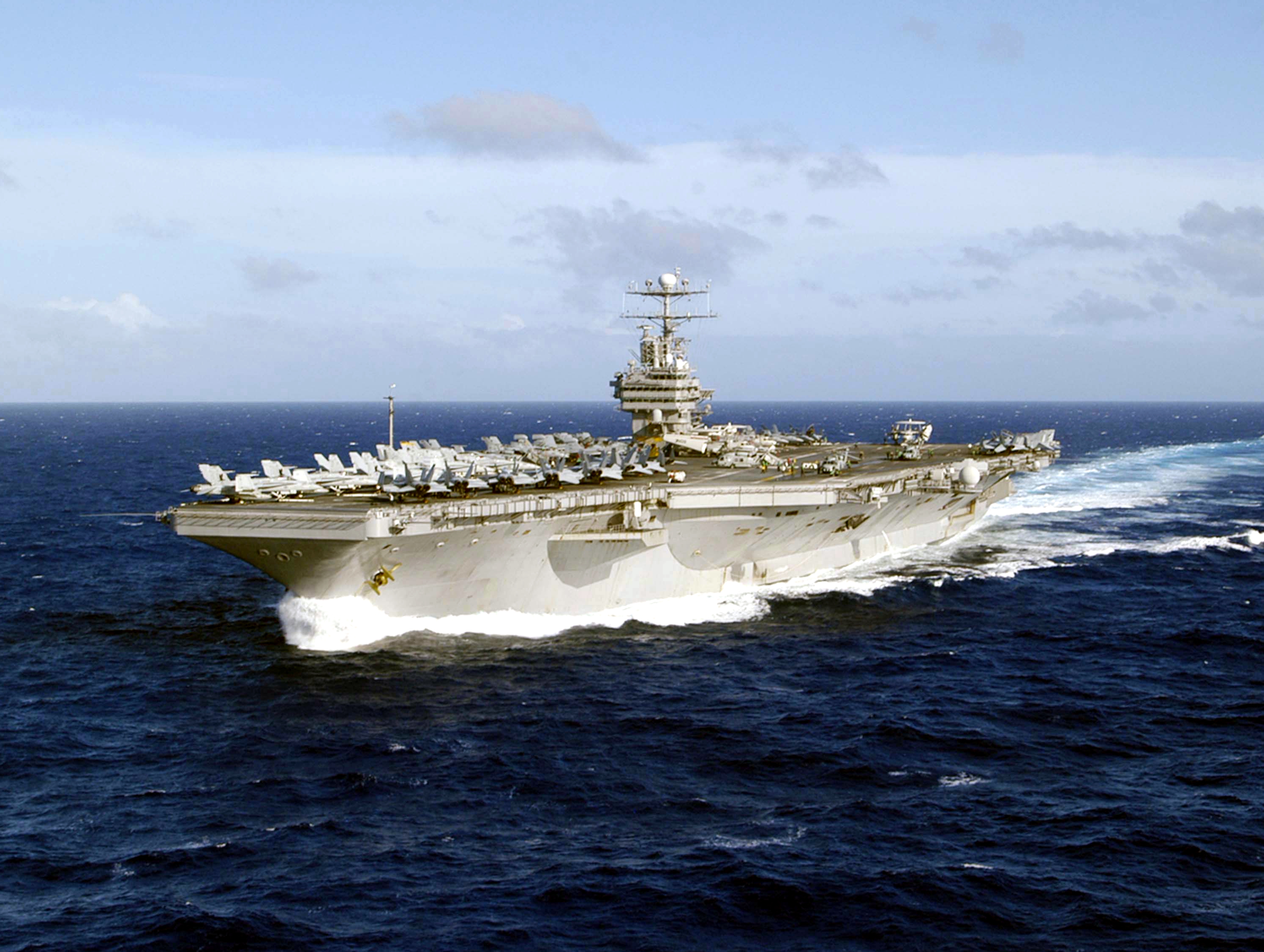
The USS Abraham Lincoln aircraft carrier arrived at Naval Air Station North Island in San Diego on Thursday after a deployment that lasted 321 days and included 265 consecutive days at sea without a port visit. Family members and friends gathered early to welcome the ship, with some arriving as early as dawn on Thursday morning. The carrier departed San Diego in November and arrived in the Middle East in January, where it supported operations against Iran.
During its time at sea, the crew reported difficult living conditions, including shortages of food and hygiene supplies, according to The Guardian. Some sailors shared accounts of mold growing on walls and reduced meal options during combat operations. The Navy later acknowledged that the ship had faced challenges, including eight suicide attempts among personnel in the carrier strike group.
Defense Secretary Pete Hegseth visited the carrier to present the Presidential Unit Citation, a high honor for combat achievements. The Lincoln’s 321-day deployment was one of the longest in recent history, with only the USS Gerald R. Ford surpassing it among carriers in the past 50 years. According to the military citation reported by the Associated Press, the carrier strike group launched 450 Tomahawk cruise missiles and conducted significant combat operations that included sinking 64 Iranian warships.
In August, the USS George Washington replaced the Lincoln in the Middle East, allowing the Abraham Lincoln to begin its return journey. Before returning home, the ship made a stop in Thailand for crew rest and resupply. The extended deployment took a toll on service members, especially those who were young and far from family.
Some families expressed mixed emotions about the return, with mothers anxiously waiting for updates from deployed sons. One mother described how her son sent her messages via WhatsApp showing the poor conditions aboard the ship. The carrier’s return brought relief to many families who had been waiting for news and reunion.
The ship was met by crowds of supporters, including live music, therapy dogs, and handmade signs. Despite the challenges, the Lincoln’s crew had completed a significant mission in support of U.S. operations in the region. The Navy reported that while some issues arose during the deployment, overall food supplies were considered adequate.
The ship’s return marked the end of a long and demanding mission that tested both personnel and equipment. The Abraham Lincoln had been away from home for more than ten months, with many sailors missing family and friends during their time at sea. The Navy emphasized that the mission was a success in terms of military objectives, even as concerns were raised about crew welfare.
Families who had waited for their loved ones to return were present at the base when the ship arrived. Some sailors were visibly emotional during the arrival, waving to crowds and making calls to family members. The ship’s appearance in San Diego was met with cheers from thousands of onlookers who had gathered at the naval base.
The return also brought attention to the strain long deployments can place on service members and their families. Political figures and lawmakers have since called for reviews of how such extended missions are managed. The USS Abraham Lincoln's deployment was part of a broader U.S. military effort in the region, including coordination with Israeli forces.
While the mission was considered a success by military leaders, reports of deteriorating conditions aboard the ship sparked debate and concern among lawmakers. The Navy’s acting secretary, Hung Cao, confirmed that the number of main entree options was temporarily reduced from two to one because combat operations limited resupply opportunities. He said four meals were still served daily and sailors had access to adequate food.
The Lincoln’s crew had been stationed in the Middle East since January, with its mission continuing through several major operations involving Iran. Some sailors were able to share updates from aboard the ship, including images and messages about their living conditions. The atmosphere at the naval base was festive as families gathered for the ship’s arrival.
The USS Abraham Lincoln had been expected to return in spring but was kept longer due to ongoing operations in the region.
The ship’s appearance at the port marked a significant milestone for sailors who had spent 265 consecutive days at sea without a port call. The Navy’s handling of the mission and conditions aboard the ship has drawn scrutiny from both lawmakers and the public.
Despite the challenges, the crew was recognized for their service and dedication during a difficult deployment. The return of the USS Abraham Lincoln brought an end to one of the longest deployments in recent naval history. Families who had been anxiously waiting for updates were finally able to see their loved ones return home.
The ship’s arrival was a moment of relief and celebration for those who had supported the crew throughout the mission. The USS Abraham Lincoln's journey home marked the end of a long and demanding deployment and demonstrated the resilience of its crew. The Navy continues to face questions about the health and well-being of sailors who served during this deployment.
The return of the ship also marked a shift in focus from combat operations to homecoming for the crew and their families. As the ship entered port, many sailors were greeted by cheering crowds and emotional reunions with family members. The USS Abraham Lincoln’s mission in the Middle East was part of a larger campaign involving U.S. and allied forces.
The ship had been deployed for 321 days, with many sailors reporting stress and mental health challenges. The Navy’s response to the situation included acknowledging that some issues occurred but emphasized overall mission success. The ship’s crew had been under intense pressure during its time in the region, with high operational demands and limited rest.
The ship’s final stop in Thailand allowed for rest and resupply before heading to San Diego.
The crew had been supported by a range of activities and morale efforts during the long deployment. The ship’s return was met with widespread public attention, reflecting both pride in service and concern for sailor welfare. The Navy has since emphasized that the mission objectives were met despite the challenges faced by the crew.
The USS Abraham Lincoln’s deployment was a test of endurance for its crew and a demonstration of military commitment in the region. The ship's return marked a significant chapter in recent naval history and brought attention to the realities of long deployments. The Navy's handling of the situation was under review by lawmakers following reports of hardship among sailors.
The crew’s resilience and dedication were recognized as they returned home after a demanding and historic deployment. The USS Abraham Lincoln's mission in the Middle East was both a military operation and a test of endurance for its crew. The ship’s return symbolized not only an end to its deployment but also a moment of relief for families and service members alike.