

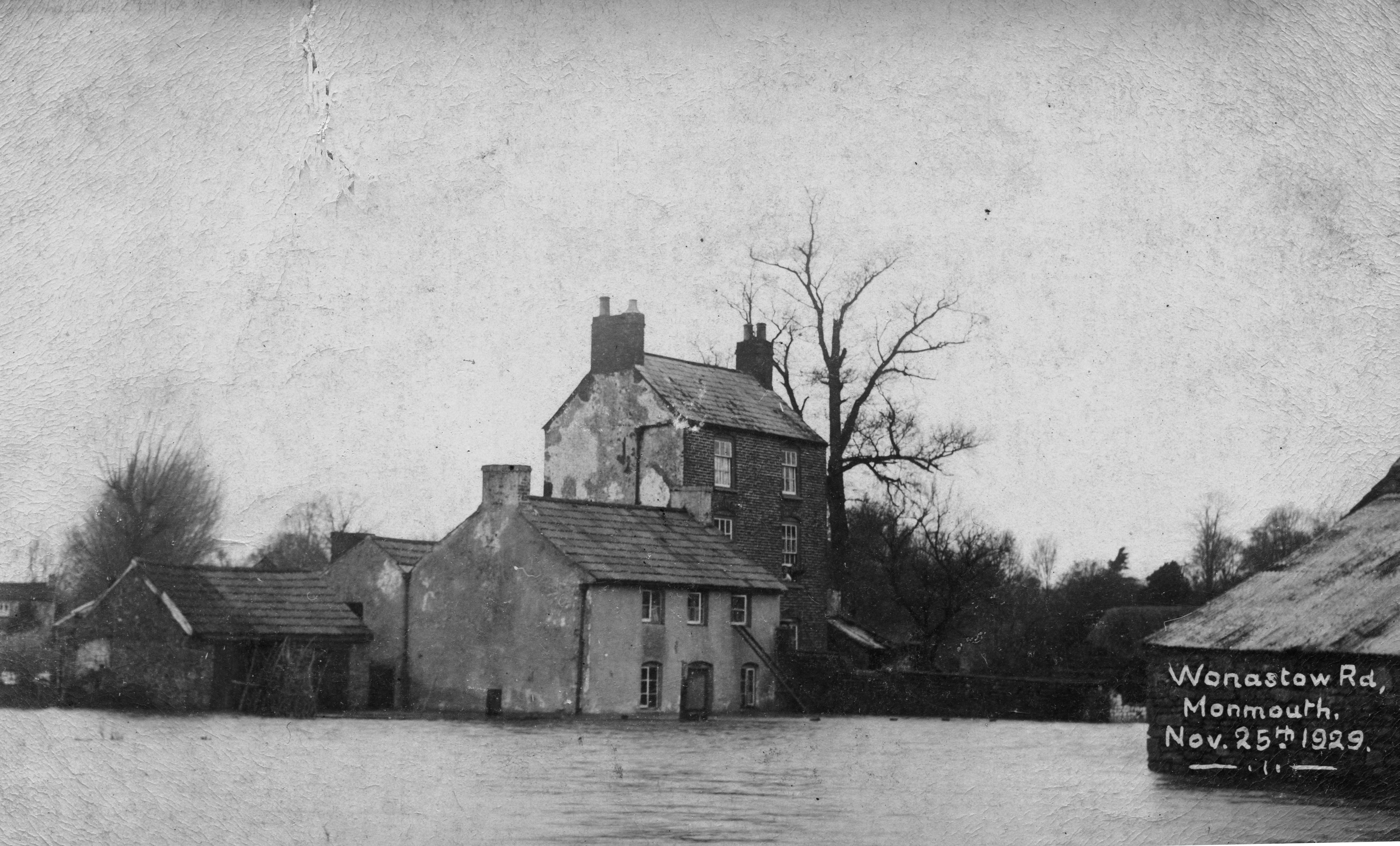
Monmouth, a historic market town in southeast Wales, is entering another autumn with memories of devastating flooding and renewed attention on its rivers. The town sits near the meeting of three waterways, creating an ongoing concern during periods of heavy rainfall. However, official information available on October 11, 2026, does not indicate that Monmouth is facing an immediate flooding emergency.
Natural Resources Wales reported a very low risk of flooding across Wales for October 11 through October 15. Its public warning service also showed no active flood warnings or alerts for the Monmouth area.
The distinction is important because Monmouth experienced a major flooding disaster in November 2025, when Storm Claudia brought heavy rain and forced emergency crews to rescue residents. Accounts of that disaster continue to illustrate the challenges facing the community as another wet season approaches.
Three Rivers Create a Continuing Flood Risk
Monmouth's location makes it particularly vulnerable when prolonged rainfall raises river levels across the surrounding countryside.
The River Wye flows through the eastern side of the town, while the River Monnow joins it near the historic Monnow Bridge. The smaller River Trothy also enters the Wye nearby.
Water from these rivers drains into the same general area, creating difficult conditions when several catchments receive heavy rainfall around the same time.
The danger does not depend entirely on rain falling directly over Monmouth. Heavy precipitation farther upstream can increase river flows hours later, even after local conditions appear to have improved.
River levels can also behave differently during the same weather event. One waterway may begin falling while another continues rising because rainfall has taken longer to travel through its catchment.
These characteristics help explain why local authorities monitor several rivers rather than relying on a single measurement to determine the risk.
Natural Resources Wales operates monitoring stations that provide information about river levels and changing conditions. One station on the Wye at Monmouth is located upstream of the confluences with the Monnow and Trothy.
The monitoring network helps residents and emergency planners understand how rainfall and river flows may affect communities along the waterways.
Storm Claudia Demonstrated the Danger
The town's vulnerability became particularly apparent on November 15, 2025, when Storm Claudia caused widespread flooding across Monmouth.
South Wales Fire and Rescue Service declared a major incident during the early morning after rising water flooded streets and entered buildings.
Emergency personnel carried out rescues, evacuations and welfare checks as conditions deteriorated. Firefighters worked alongside police, ambulance crews and other emergency responders.
ITV News reported that floodwater swept into businesses in the town centre, leaving some people trapped inside overnight. The flooding caused extensive disruption to commercial properties and surrounding streets.
The River Monnow was among the waterways that overflowed during the storm. High water levels affected roads and businesses, with emergency crews concentrating on locations where people faced immediate danger.
The scale of the flooding required a coordinated response involving several services. Residents and business owners faced the immediate challenge of reaching safety and the longer process of assessing damage after waters receded.
The disaster demonstrated how quickly a familiar river can become dangerous during intense rainfall.
It also renewed attention on the ability of existing flood protection measures to withstand extreme weather.
Flood Defences Reduce Risk but Cannot Eliminate It
Monmouth has benefited from investment in flood management over the years, including protective infrastructure and systems designed to warn communities when rivers rise.
Such measures can reduce the likelihood of water entering vulnerable areas, but they cannot guarantee protection under every possible weather condition.
Flood barriers and embankments are generally designed to provide protection against specified levels of risk. Exceptionally high river flows can exceed those design assumptions, while surface water may create problems in places that are otherwise protected from rivers.
The local drainage network presents another challenge. Heavy rain can overwhelm drains or cause water to collect where it cannot escape quickly enough.
Monmouthshire County Council identifies prolonged rainfall, high tides, blocked culverts and backed-up drains as potential causes of flooding across the county.
The council also works with emergency services and other organizations to receive warnings, monitor conditions and coordinate assistance when necessary.
For households and businesses in flood-prone areas, this means physical defences are only one part of preparedness.
Knowing evacuation routes, securing important documents and understanding how official warnings are issued can also reduce the consequences of a serious flood.
Official Forecast Shows Very Low Immediate Risk
Despite the town's history, the available official forecast does not support claims that severe flooding is currently developing in Monmouth.
Natural Resources Wales' five-day assessment, updated on Sunday, October 11, classified the forecast flood risk throughout Wales as very low.
The assessment covered the period through Thursday, October 15. It did not identify an immediate need for emergency flood precautions across the country.
The agency's warning pages likewise indicated that flood alerts were not in force for the Rivers Wye and Monnow in Monmouthshire.
These forecasts are assessments of present and expected conditions rather than guarantees about the entire autumn season.
Weather can change, and rainfall outside the five-day forecast period may create new risks. Residents in areas with a history of flooding are therefore encouraged to follow official updates rather than relying on previous conditions.
The local council also advises people never to walk or drive through floodwater. Even relatively shallow moving water can create serious danger.
Natural Resources Wales provides an online warning service and a telephone information line for residents who want to check river conditions or register for alerts.
Residents and Businesses Face Long-Term Challenges
Flooding can have consequences long after the water disappears.
Businesses may experience damage to stock, equipment and buildings. Some premises require extensive cleaning and repairs before they can reopen.
Residents may also face temporary displacement, property damage and financial difficulties associated with recovery.
Repeated flooding adds another complication because homes and commercial buildings can be affected more than once over a relatively short period.
In towns such as Monmouth, older buildings and established shopping streets can present difficult choices about how to improve protection without disrupting the surrounding environment.
Local authorities must balance the cost of flood mitigation against the need to protect residents, businesses and important transport routes.
Long-term planning can involve drainage improvements, river monitoring, maintenance of existing defences and efforts to ensure emergency services can respond quickly.
The November 2025 disaster remains a significant example of the problems that can occur when prolonged heavy rain affects several waterways.
For now, the immediate situation is considerably calmer than the original account of rising rivers suggests. Natural Resources Wales has reported very low flood risk through October 15, while Monmouthshire County Council continues to provide flood safety information.
Residents can check changing conditions through official flood warning services as autumn progresses. The next significant test of the town's preparations will depend on future rainfall and how quickly the Wye, Monnow and Trothy respond.