

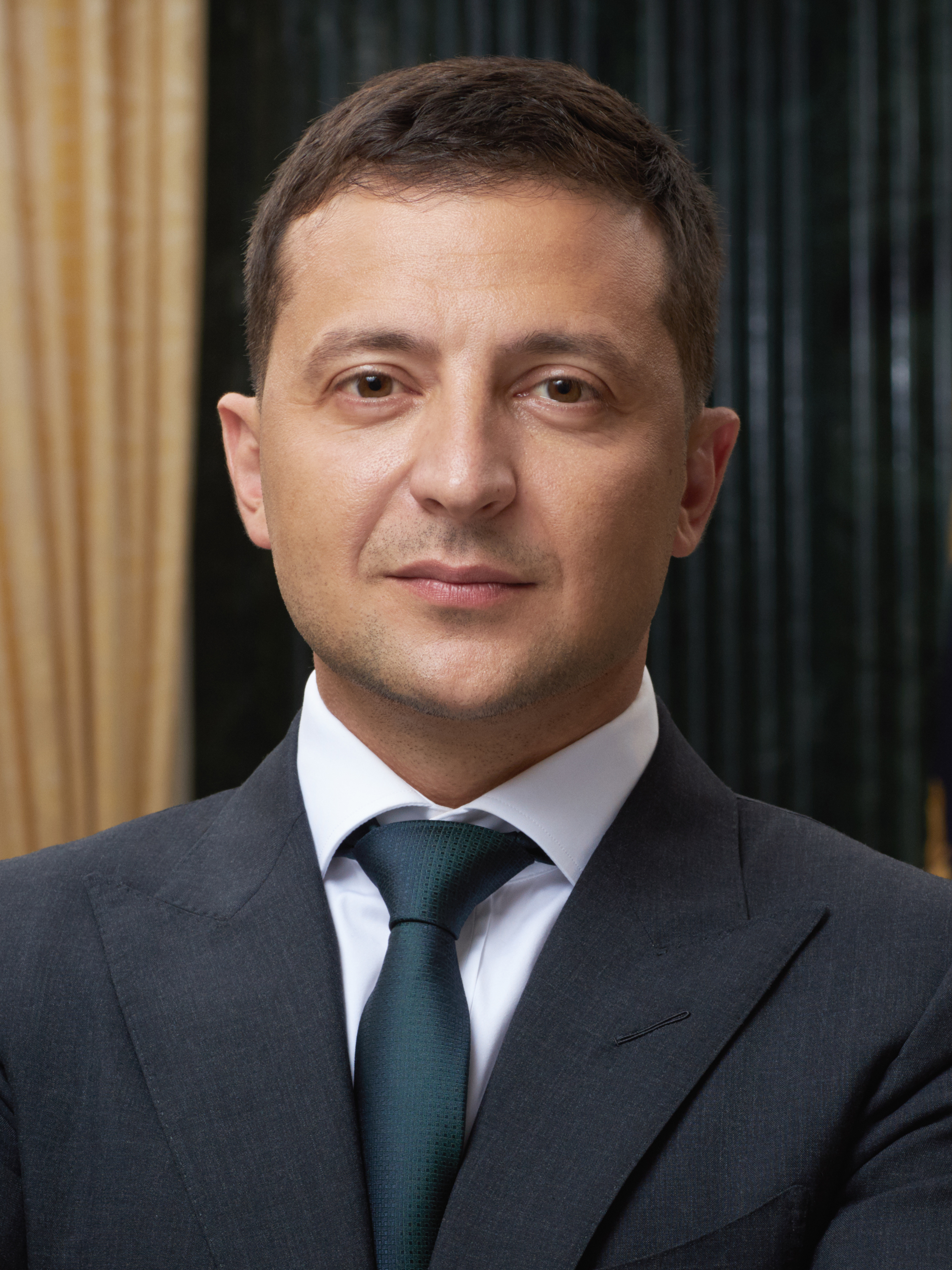
Ukraine has resumed attacks on Russian oil refineries after a three-day pause, striking a major oil processing facility in the Ryazan region on Thursday, October 15, 2026. The attack came as Ukrainian President Volodymyr Zelenskyy criticized the United States over disruptions to military intelligence and satellite communications during intensified Russian attacks.
Ryazan Governor Pavel Malkov confirmed that a large Ukrainian drone attack caused a fire at an oil refinery. Emergency crews responded to the incident, while local authorities assessed the damage. The attack followed Zelenskyy's announcement that Ukraine would no longer observe a temporary suspension of strikes against Russian energy facilities.
The decision marks another setback for President Donald Trump's efforts to establish a limited ceasefire targeting energy infrastructure. Ukrainian officials argue that Moscow continued attacking their power network despite Washington's announcement of an agreement.
Russian Oil Refinery Hit After Three-Day Pause
The Ryazan refinery, operated by Russian state-controlled oil company Rosneft, supplies fuel to Moscow and other parts of Russia. Reuters reported that the facility accounts for nearly 5% of the country's total oil refining capacity.
Malkov said the attack caused a fire at the refinery and damaged a warehouse elsewhere in the region. Authorities canceled classes at schools and kindergartens in two districts as the drone attacks continued.
The governor did not immediately provide a detailed assessment of the refinery's operational losses. The extent of any damage to fuel production equipment was also unclear.
Ukraine has repeatedly targeted Russian refineries and fuel storage facilities during the war. These operations are intended to reduce fuel availability for Russian military forces and place financial pressure on an industry that generates significant government revenue.
The Ryazan facility has been attacked several times in recent months. Its location and importance to Russia's domestic fuel network have made it a recurring target of Ukrainian long-range drone operations.
The latest strike was the first reported Ukrainian attack on a Russian energy installation since Trump announced a proposed ceasefire on Sunday.
Zelenskyy Ends Temporary Energy Truce
Trump announced on October 11 that Russia and Ukraine had agreed to stop attacking each other's energy infrastructure. However, neither government publicly confirmed a formal agreement containing specific conditions or enforcement measures.
Zelenskyy subsequently said Ukraine had suspended strikes on Russian oil facilities for three days in response to American requests. He maintained that Russia had failed to respect the proposed arrangement.
Speaking to the Financial Times in an interview published Thursday, Zelenskyy declared, "We're done," referring to the restrictions on Ukrainian attacks.
His decision followed another wave of Russian missile and drone strikes against Ukrainian cities and energy installations.
Russian attacks on Wednesday damaged power infrastructure and left hundreds of thousands of Ukrainian residents without electricity. Emergency workers struggled to restore services while additional military strikes threatened repairs.
For Ukraine, electricity and heating infrastructure remain especially important as colder weather approaches. Damage to power stations and transmission networks can interrupt household electricity, water supplies, transportation and industrial operations.
Kyiv maintains that suspending attacks on Russian energy facilities provides little benefit if Moscow continues targeting Ukrainian infrastructure.
Russia has not acknowledged deliberately violating a mutually accepted energy ceasefire. Moscow has also disputed the suggestion that Ukrainian strikes stopped entirely during the proposed pause.
US Intelligence Restrictions Raise Concerns
The refinery attack comes amid growing tensions between Kyiv and Washington over the military assistance Ukraine receives from the United States.
Zelenskyy expressed particular concern about what he described as a dangerous reduction in American intelligence support. Ukrainian officials have questioned whether restrictions affected their ability to receive advance warnings of Russian missile attacks.
Such intelligence can help Ukrainian air defenses identify incoming threats and determine where limited interceptor missiles should be deployed.
However, the full extent of any reduction in American intelligence sharing remains uncertain. European officials and NATO representatives said Wednesday that they had no confirmed indication that all intelligence cooperation with Ukraine had stopped.
The concerns reflect Ukraine's continuing dependence on American surveillance technology, satellite systems and advanced air defense equipment.
Washington has supplied intelligence and military assistance throughout much of the war. Recent disagreements over energy attacks and broader diplomatic policy have placed additional strain on that cooperation.
The White House and Pentagon had not provided a detailed public explanation of the reported intelligence changes when Zelenskyy made his latest comments.
Starlink Disruptions Complicate Ukrainian Operations
Ukraine has also experienced restrictions affecting satellite internet services used by its armed forces.
The disruptions reportedly affected military drone operations, including systems that depend on satellite communications while traveling at higher speeds. Ukrainian personnel described the changes as interfering with battlefield coordination and some defensive missions.
Starlink is operated by SpaceX, the company led by Elon Musk. Its related Starshield system provides specialized satellite services for government and military customers.
Musk said decisions concerning military Starshield capabilities are controlled by the United States government rather than independently determined by SpaceX.
The distinction has become important as Ukrainian officials seek answers about who authorized the restrictions and why they occurred.
Reporting on Thursday indicated that affected satellite services were being restored. Axios reported renewed Ukrainian access, although the reasons for the initial restrictions had not been publicly established.
There was no independently confirmed evidence that Trump personally ordered the service changes. Ukrainian concerns about political interference therefore remain separate from verified information about the systems' technical operation.
Oil Dispute Adds Pressure to US-Ukraine Relations
Disagreements over Russian oil have further complicated relations between the two countries.
Trump has criticized Ukrainian attacks on Russian refineries amid international concerns about rising diesel prices and energy supplies. His administration has also taken steps to ease certain restrictions affecting Russian petroleum exports.
Ukraine argues that allowing Russia greater access to oil revenue could strengthen Moscow's ability to finance its military campaign.
Russian oil exports remain an important source of government income, although their financial value depends on international prices, sanctions, production levels and transportation costs.
Ukrainian refinery attacks are intended partly to increase the economic cost of the war for Moscow. Their broader effect on Russian fuel supplies varies according to the damage inflicted and the speed of repairs.
Zelenskyy has indicated that Ukraine could reconsider restrictions on energy strikes if Washington provides additional Patriot air defense interceptors.
These American-made missiles are important for defending Ukrainian cities against ballistic missile attacks. Ukraine has repeatedly requested additional supplies as Russia continues launching long-range weapons.
The proposed arrangement would link another pause in attacks on Russian energy facilities to tangible improvements in Ukraine's defensive capabilities.
Ukraine Looks to European Partners
As disagreements with Washington continue, Zelenskyy has been seeking stronger support from European allies.
The Ukrainian president traveled to London and Brussels for discussions about military assistance, air defenses and diplomatic cooperation. European leaders have reiterated their support for Ukraine while expressing concern about continuing Russian attacks.
Kyiv is also working to increase its domestic weapons production and reduce dependence on foreign military supplies.
Nevertheless, replacing American intelligence capabilities, advanced interceptors and specialized satellite services would be difficult in the near term.
The renewed refinery strikes demonstrate Ukraine's intention to maintain military and economic pressure on Russia despite objections from Washington.
Russian officials are continuing to assess damage at the Ryazan refinery, while Ukrainian authorities are repairing energy infrastructure damaged by recent attacks.
With no confirmed ceasefire governing attacks on energy facilities, both countries continue military operations against targets they consider important to the opposing side. Ukraine has not announced another pause in refinery strikes, and Washington has not secured a new publicly confirmed agreement.