

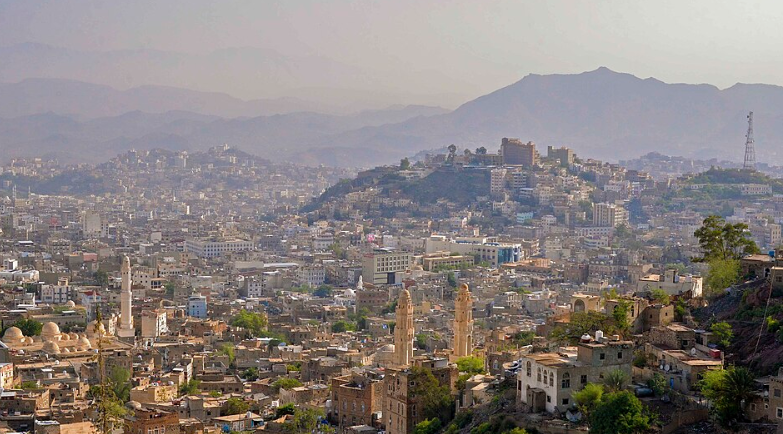
More than one million people in Taiz, Yemen, are facing worsening shortages of drinking water, food and fuel as Houthi forces tighten their siege of the city. Renewed fighting and road closures have disrupted deliveries of essential supplies, leaving families rationing water and hospitals struggling to maintain basic services.
The humanitarian emergency has intensified throughout October 2026 in Yemen's third-largest city. United Nations officials warned on October 20 that the situation was deteriorating rapidly, with water production cut roughly in half and shortages threatening the lives of vulnerable residents.
Taiz has endured years of fighting during Yemen's civil war, but recent Houthi advances have further restricted access to the city. Aid organizations say the combination of military pressure, damaged infrastructure and rising prices is placing civilians at increasing risk.
Families Struggle to Find Drinking Water
Clean drinking water has become one of the most urgent problems for residents. Many households depend on water delivered by trucks because damaged infrastructure and declining groundwater supplies have made regular service unreliable.
Hadil al-Shahid, a mother of two, described how her family has been forced to reduce its daily water consumption. Before the latest restrictions, she and her children used approximately 10 liters, or 2.6 gallons, each day for drinking and cooking.
They now must make that same amount last about four days.
Al-Shahid told The Associated Press that her family had stopped drinking coffee and tea to conserve water. Even these small sacrifices have become necessary as deliveries grow less frequent and bottled water becomes increasingly expensive.
Some families are paying as much as 75% more for bottled water than they did several weeks earlier. Others have begun purchasing water on credit because they cannot afford to pay immediately.
Truck drivers who can still reach Taiz are also charging considerably more. Some have tripled their delivery rates because of the dangers and additional costs of traveling through contested territory.
For families already struggling with limited incomes, these increases mean choosing between drinking water, groceries and other necessities.
Houthi Advances Cut Off Important Supply Routes
Taiz is strategically important because it connects Yemen's central highlands with southern regions, including Aden and Lahj. Control of its roads could influence military movements and access to commercial supplies across southwestern Yemen.
The city has experienced varying degrees of encirclement since 2015, when Houthi forces and their allies attempted to seize territory held by forces supporting Yemen's internationally recognized government.
The latest restrictions followed renewed fighting along Yemen's western coast. Houthi forces captured the Red Sea port city of Mokha in September, according to regional conflict monitoring, and subsequently increased pressure on routes serving Taiz.
Mokha lies approximately 130 kilometers, or 80 miles, from Taiz. Its location near the Bab el-Mandeb strait gives it importance for shipping and military operations along the Red Sea.
As Houthi forces advanced through surrounding areas, residents lost access to nearby wells and some routes used by commercial trucks. Deliveries of water, fuel and food became increasingly difficult.
The United Nations has urged Houthi authorities to reopen safe routes into Taiz and permit commercial goods, medical supplies and humanitarian assistance to enter without obstruction.
Food Prices Rise as Supplies Dwindle
Food shortages are adding pressure to households that already face high water costs. Basic groceries have become considerably more expensive as transport restrictions interrupt normal trade.
Residents reported that flour and rice cost approximately 50% more than during the summer. Cooking gas prices have more than quadrupled, making it increasingly difficult to prepare meals.
Some families have turned to wood, charcoal and cardboard fires because they can no longer afford conventional cooking fuel. These alternatives create additional health risks, particularly when used in poorly ventilated homes.
The shortages have also reduced the availability of fresh foods. Families who previously purchased meat, vegetables and other groceries are relying more heavily on inexpensive staples.
Al-Shahid said her children, ages 10 and 5, are now eating mostly rice, bread and cheese. She previously operated a hair salon, but declining business forced her to close it as customers devoted their limited money to basic necessities.
Other families are surviving on a single meal each day.
The consequences extend beyond individual households. Community kitchens that provided food to vulnerable residents have struggled to continue operating because of shortages and high fuel costs.
Hospitals and Sanitation Services Face Serious Threats
The lack of fuel is also disrupting medical care, water treatment and waste collection.
Hospitals depend on diesel-powered generators to operate essential equipment when electricity supplies fail. Shortages threaten the availability of medical oxygen, emergency treatment and other critical services.
In an October 20 statement, United Nations Humanitarian Coordinator for Yemen Laurent Bukera warned that the health system in Taiz was approaching collapse.
The shortage of fuel also affects pumping stations and water treatment facilities. Reduced production leaves more households dependent on expensive deliveries or potentially unsafe sources.
Reuters reported on October 21 that 12 hospitals had enough fuel for only approximately four days of operations. Medical facilities were also experiencing shortages of medicines and other essential supplies.
Sanitation problems are creating another danger. Waste collection has been interrupted because workers cannot safely reach the city's main dumping site.
Garbage has accumulated along roads, and some sanitation workers have resorted to burning waste in the streets. The resulting smoke adds to health concerns in neighborhoods already affected by years of conflict.
Aid organizations are particularly concerned about cholera and other waterborne illnesses. According to humanitarian reporting, recorded cholera cases increased from 221 in early September to 683 during October.
The growing risk of disease comes as the city's medical facilities are becoming less able to treat patients.
Displaced Families Increase Pressure on Limited Resources
The fighting has forced thousands of Yemenis to leave their homes, creating further demand for food, shelter and drinking water in Taiz.
United Nations migration estimates indicate that approximately 124,000 displaced people have arrived in or moved within Taiz province since August. The province has received a substantial share of Yemen's newly displaced population during the latest escalation.
Many families have fled more than once during the country's long-running war. Some are now living in tents, damaged buildings or overcrowded temporary shelters.
Ahmed Abdel Gaber, who was displaced from his home, lives with nine relatives in a ruined building. He previously earned money transporting construction materials but lost his regular income after fleeing the fighting.
His family now relies on humanitarian assistance and struggles to obtain enough food.
Displaced residents often arrive with few belongings and little money. Their presence increases demand for already scarce water supplies, while overcrowded living conditions make sanitation and disease prevention more difficult.
Fighting Continues Around Taiz
Forces aligned with Yemen's internationally recognized government retain control of central Taiz, while Houthi forces occupy significant areas of the surrounding countryside.
Three Houthi officials told The Associated Press that their forces control approximately 80% of the countryside around the city and several neighborhoods within it. That territorial claim has not been independently verified.
Government-aligned forces continue resisting Houthi advances, particularly in mountainous areas east of the city. The difficult terrain and dense civilian population could make any attempt to capture central Taiz costly.
Ahmed Nagi, a senior analyst with the International Crisis Group, warned that a full Houthi assault would likely require prolonged fighting and result in substantial casualties.
Civilians remain exposed to attacks even when they are not near military positions. Earlier in October, missiles fired by Houthi forces struck a residential area of Taiz, killing two teenage girls and injuring others.
The latest fighting has renewed fears among residents who remember the devastation caused by earlier attempts to capture the city.
United Nations Calls for Humanitarian Access
International humanitarian organizations are urging all parties to protect civilians and allow essential supplies to reach affected communities.
Amnesty International has called for Houthi authorities to reopen roads into Taiz, warning that continued restrictions could produce a severe humanitarian disaster.
The United Nations has also demanded safe passage for food, medicine, fuel and humanitarian assistance. Its officials emphasize that civilians and civilian infrastructure must be protected under international humanitarian law.
Humanitarian organizations remain active in Taiz, but their ability to deliver assistance depends on safe transportation routes, sufficient fuel and access to communities in need.
The immediate priority is restoring reliable water deliveries and preventing further interruptions to healthcare. Without improved access, families will continue facing dangerous shortages while the city's already weakened essential services deteriorate.
As of October 24, government forces continued holding central Taiz, but surrounding road closures remained a major obstacle to relief operations. The United Nations' demand for unhindered humanitarian access has not yet resulted in a broad reopening of supply routes.