

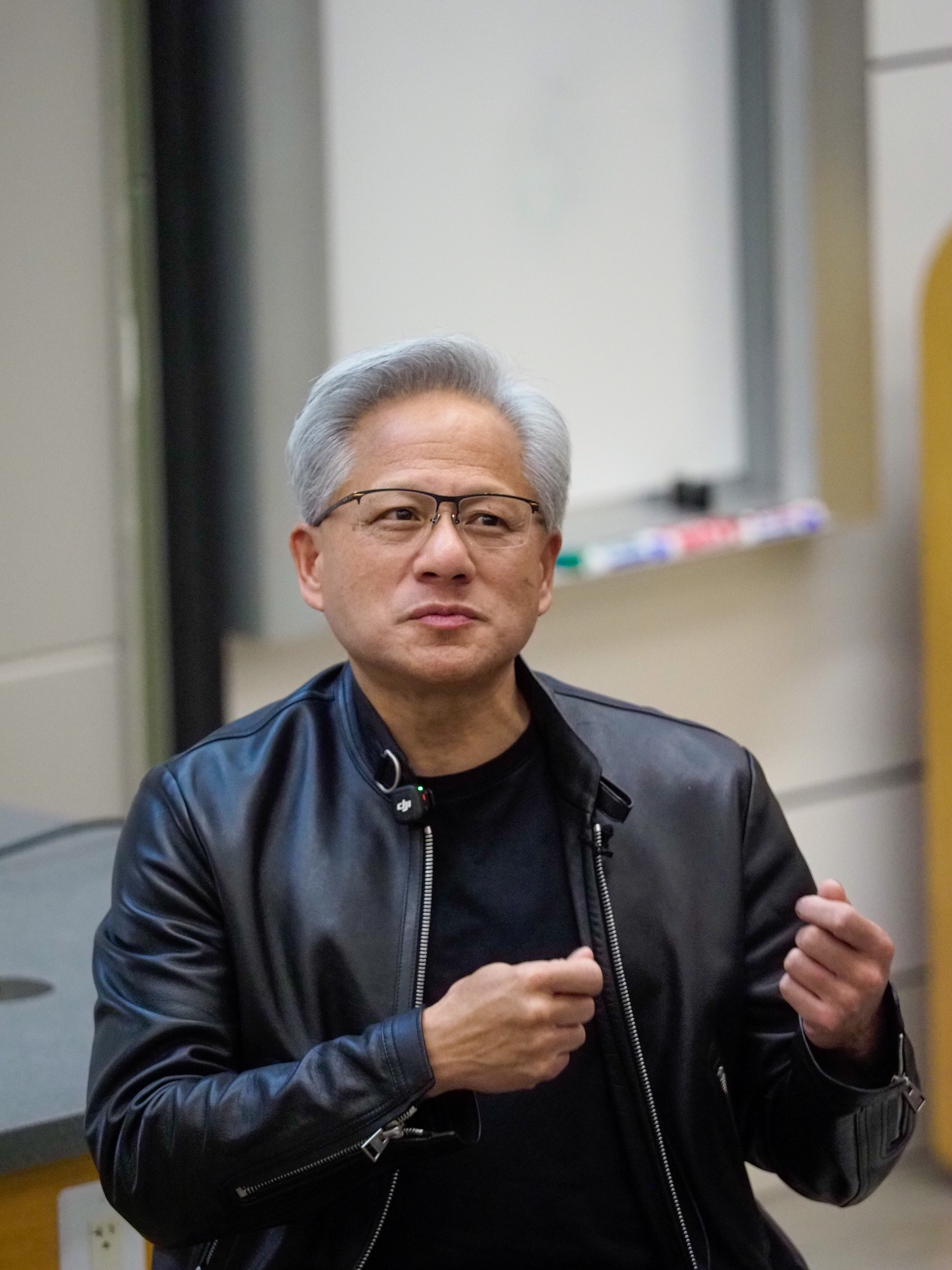
Nvidia is facing growing pressure to reconsider Jensen Huang's departure after an online campaign calling for the company's co-founder to return as chief executive attracted more than 100,000 signatures. The campaign follows Huang's resignation amid reports of relationships with two women, including a Chinese businesswoman suspected by U.S. authorities of having intelligence connections. Nvidia has launched an independent investigation but has not publicly established that company secrets were compromised.
Huang's departure, announced November 12, 2026, ended more than three decades of leadership at the semiconductor company he helped establish. Nvidia appointed longtime chief financial officer Colette Kress as interim CEO while its board searches for a permanent replacement. The leadership change has generated disagreement among employees, shareholders and technology executives over whether Huang should be considered for reinstatement.
Supporters Launch Campaign for Huang's Return
An online petition titled "Stand with Jensen" has become a focal point for supporters who believe Nvidia should reconsider its leadership decision. By Saturday, November 14, the campaign had attracted more than 108,000 signatures, according to Business Insider. Organizers identified participants as current and former Nvidia employees, shareholders and other supporters of the company's founder.
The petition argues that Huang deserves an opportunity to respond fully to allegations before Nvidia makes permanent leadership decisions. Its organizers have questioned whether the board allowed sufficient time for an independent investigation. The campaign also requests greater transparency about the process surrounding his departure.
Several prominent technology figures have publicly supported the effort, including Tesla and SpaceX chief executive Elon Musk and Replit CEO Amjad Masad. The petition also lists venture capitalist Marc Andreessen among its supporters. Their involvement has increased the campaign's visibility beyond Nvidia's employees and investors.
However, petition signatures do not establish that allegations against Huang are false or that the board acted improperly. Organizers acknowledge that listed affiliations are self-reported and have been working to remove questionable entries. The campaign is independent of Nvidia and has not received an official endorsement from Huang.
Nvidia Confirms Resignation and Leadership Changes
Nvidia's November 12 announcement stated that Huang had resigned as president, chief executive officer and a member of the board, effective immediately. The company did not describe the departure as a formal dismissal in its public statement. A filing with the Securities and Exchange Commission also recorded his resignation, although reports surrounding the decision suggest significant pressure on his leadership.
Kress, who joined Nvidia in 2013, assumed responsibility for running the company while continuing her duties as chief financial officer. The board also appointed Harvey C. Jones as its first chairman. Jones had served as a director since 1993 and was involved in Nvidia's development over much of Huang's tenure.
The board announced that it would consider both internal and external candidates for the permanent chief executive position. It expressed confidence in the existing management team and said the company's operations, customer commitments and technology plans would continue. No permanent successor had been announced as of November 14.
Huang helped establish Nvidia in 1993 alongside Chris Malachowsky and Curtis Priem. The company initially became known for graphics processors used in gaming before expanding into artificial intelligence, accelerated computing and data center technology. Its advanced chips have become essential components of the infrastructure supporting modern AI development.
Allegations Involve Businesswoman, Not Huang's Wife
The controversy began with reporting about Huang's relationship with Alice Huang, a Chinese businesswoman and former executive at Singapore-based Megaspeed International. Despite their shared surname, Alice Huang is not Jensen Huang's wife or a relative. His wife is Lori Huang, whom he met while studying at Oregon State University.
Reports have alleged that U.S. intelligence officials suspected Alice Huang of having connections to Chinese intelligence services. Those suspicions have not been established through a public court proceeding or an announced government finding. China has rejected the accusations, describing them as unfounded.
Jensen Huang acknowledged being unfaithful to his wife in a message to Nvidia employees. He apologized to his family and acknowledged that his conduct had damaged trust. His statement did not establish that he knowingly participated in an intelligence operation or disclosed confidential company information.
The allegations gained further attention because of Megaspeed's reported connections to the trade in advanced artificial intelligence chips. U.S. authorities have been examining whether restricted American technology has reached China through international intermediaries. However, the existence of export-control concerns does not establish that Alice Huang committed espionage or that Jensen Huang participated in unlawful activities.
Board Investigation Examines National Security Concerns
Nvidia announced an independent investigation on November 8 after reports suggested its chief executive might have been targeted by a foreign intelligence effort. The board emphasized that national and economic security were important considerations. It also said it had no reason at that stage to believe Nvidia's confidential information or U.S. national security had been compromised.
On November 10, independent directors confirmed that former acting U.S. Attorney Joon H. Kim and the law firm Wachtell, Lipton, Rosen & Katz had been retained to conduct the investigation. The company described the process as independent and comprehensive. Its findings had not been publicly released by November 14.
Reuters subsequently reported that Huang had misled some senior Nvidia officials about the nature of his relationship with Alice Huang. The news agency said it reviewed internal correspondence and spoke with people familiar with the situation. Those allegations introduced questions about disclosure and corporate governance separate from the suspected foreign intelligence connection.
Other reporting described an additional relationship involving an Nvidia employee. The developments placed further pressure on the company's leadership and prompted questions about internal conduct policies. The existence of personal relationships, however, does not by itself establish espionage or the unauthorized transfer of sensitive information.
Lawmakers Seek Information About AI Chip Security
The controversy has attracted attention in Washington because Nvidia's technology plays a central role in the competition over advanced artificial intelligence. U.S. restrictions limit the sale of certain high-performance chips to China and other destinations. Federal officials have expressed concern that restricted hardware could support foreign military, intelligence and surveillance systems.
Members of Congress have requested information about Huang's reported relationship and possible national security implications. Lawmakers have also sought preservation of government records involving Nvidia's chip exports and any intelligence related to the suspected operation. Those requests reflect continuing scrutiny rather than a determination that wrongdoing occurred.
One concern involves the possibility that advanced American chips could reach restricted customers through third countries or international business arrangements. Export rules govern certain hardware transactions, but remote access to computing infrastructure can create different enforcement challenges. The distinction has become increasingly important as cloud computing allows customers to use processors located outside their own countries.
The investigation may help clarify whether Nvidia's internal safeguards operated as intended. It could also determine whether company officials received accurate information about relationships that might have created conflicts of interest. No public finding has established that Huang knowingly assisted Chinese intelligence.
Nvidia Faces Important Leadership Decisions
Huang's departure comes as Nvidia approaches another closely watched financial reporting date. The company is scheduled to release its third-quarter fiscal 2027 results on November 17, followed by a conference call with investors. The report will provide an early opportunity for the new leadership team to address business performance and the company's outlook.
The open letter has increased public pressure on Nvidia, but the board remains responsible for selecting the company's next chief executive. It has not announced whether Huang will be considered during that process. Supporters continue arguing that his contributions and long record of leadership deserve consideration while the investigation remains unfinished.
The central questions remain whether the independent inquiry identifies misconduct, how Nvidia evaluates its leadership transition and whether any evidence supports the suspected espionage connection. Until investigators release their findings, allegations involving foreign intelligence should remain clearly distinguished from verified corporate actions. Nvidia's next decisions will determine whether its founder has any future role at the company he led for more than 30 years.