

Quantum Computing Inc. is expanding its American manufacturing operations as it works to turn experimental quantum technologies into commercially available products. The New Jersey-based company has invested in specialized chip production facilities and acquired semiconductor businesses to strengthen its manufacturing capabilities. Its strategy reflects growing concerns that the United States could lose valuable technological opportunities without the industrial infrastructure needed to produce advanced quantum devices.
Chief Executive Officer Yuping Huang outlined the company's approach in an article published by Fast Company on November 20, 2026. He argued that scientific discoveries alone are insufficient to build a successful quantum industry. Companies must also develop the equipment, production methods, and technical expertise needed to manufacture sophisticated devices consistently.
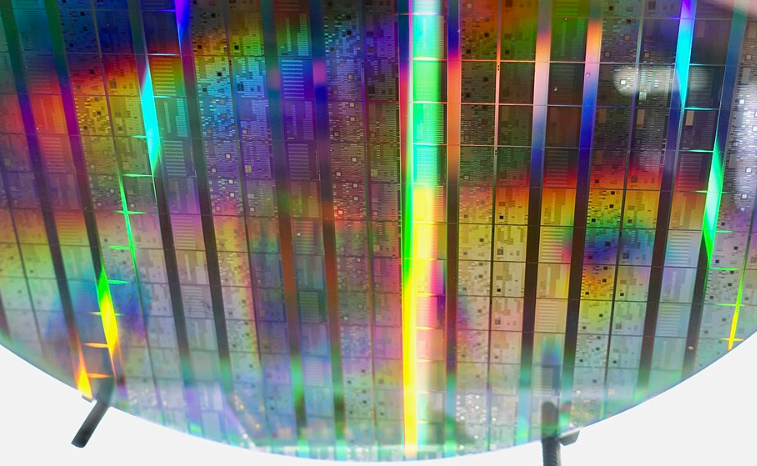
Quantum Computing Inc., which trades on the Nasdaq under the symbol QUBT, specializes in technologies that use light to process information. Its manufacturing strategy centers on photonic chips, which control light within extremely small circuits and have applications beyond quantum computing.
Why Quantum Computing Inc. Is Investing in Manufacturing
Quantum technology requires highly specialized materials and carefully controlled production processes. Even when researchers develop promising designs, manufacturing those devices reliably can present significant engineering challenges.
Huang explained that depending entirely on outside manufacturers can create problems when suppliers have different priorities or limited production capacity. These arrangements can slow product development and prevent companies from making rapid changes to their designs.
Rather than outsourcing every production step, Quantum Computing Inc. has chosen to build and acquire facilities that handle critical manufacturing processes. The company will continue working with outside suppliers for operations where existing manufacturing services make economic or technical sense.
Closer coordination between researchers and production engineers is another advantage of this strategy. When engineers can observe how their designs perform during fabrication, they can identify weaknesses and make adjustments before the next production cycle.
The approach also allows manufacturing knowledge to become part of the company's research process. Huang believes that experience will help Quantum Computing Inc. move more efficiently from laboratory experiments to commercial products.
Arizona Foundry Provides Domestic Chip Production
One of the company's most important manufacturing investments is its quantum photonic chip foundry in Tempe, Arizona. Quantum Computing Inc. announced the facility in September 2023 and celebrated its grand opening on May 12, 2025.
Located at Arizona State University's Research Park, the operation focuses on thin-film lithium niobate, a material used to control and manipulate light. The technology has potential applications in telecommunications, advanced sensing, secure communications, and quantum information processing.
Unlike conventional electronic circuits that primarily move electrical signals, photonic circuits use light to transmit or process information. Some designs can operate with relatively low power consumption and support extremely fast communication speeds.
Quantum Computing Inc. designed its Arizona facility to support research, prototyping, and small-batch manufacturing. The operation also provides specialized fabrication services to customers developing their own photonic technologies.
By early 2026, the company reported that the facility had begun generating revenue while increasing its small-batch production activity. However, moving from limited production to reliable manufacturing at larger volumes remains an important part of its development plans.
Semiconductor Acquisitions Expand Production Capabilities
Quantum Computing Inc. has supplemented its Arizona investment by acquiring businesses with existing manufacturing technology and expertise.
In June 2026, the company completed its acquisition of NHanced Semiconductors, an American business specializing in advanced semiconductor packaging and integration. The transaction was valued at approximately $73.1 million in cash and stock, subject to adjustments.
The agreement also included potential additional payments of up to $72 million if specified performance targets are achieved.
NHanced provides expertise in combining semiconductor components into sophisticated electronic and photonic systems. Those capabilities can help Quantum Computing Inc. integrate its optical technologies with other components needed for practical devices.
The acquisition also supports the company's second manufacturing operation, known as Fab 2. Quantum Computing Inc. expects this expanded capacity to help increase production and support future commercial demand.
Earlier acquisitions of Luminar Semiconductor and NuCrypt added capabilities involving lasers, light detection, quantum communications, and photonic packaging. Together, these businesses broaden the company's manufacturing operations beyond its original research activities.
Revenue Growth Shows Progress and Challenges
The financial results released on November 9 provide a clearer picture of the company's commercial expansion.
Quantum Computing Inc. reported third-quarter 2026 revenue of $9.5 million, compared with $384,000 during the same period in 2025. Revenue for the quarter also exceeded the $9.2 million recorded during the entire first half of 2026.
Much of that increase came from recently acquired businesses rather than sales of the company's original quantum computing systems. The new subsidiaries brought established products, manufacturing services, and customer relationships into the organization.
The company reported a quarterly net loss of $15.1 million, demonstrating that increased revenue has not yet produced sustained profitability. Its gross margin was 4.5%, reflecting the costs associated with expanding manufacturing operations.
At the end of September, Quantum Computing Inc. held approximately $1.3 billion in cash, investments, and related accrued interest. Its reported contract backlog stood at approximately $39.1 million.
Those financial resources provide substantial support for planned investments, although additional spending and operational challenges could affect future results. Successful manufacturing expansion will depend on attracting customers, improving efficiency, and delivering products consistently.
Federal Government Seeks Stronger Quantum Supply Chains
The company's strategy comes as the federal government places greater emphasis on domestic quantum technology development.
On June 22, 2026, President Donald Trump signed an executive order calling for stronger American capabilities in quantum computing, sensing, networking, and related technologies. The order directed federal agencies to examine supply chains, manufacturing barriers, and opportunities for cooperation with private industry.
The policy also called for updating the national quantum strategy and supporting research that could lead to practical applications.
Federal officials have identified quantum technology as an area with potential economic and national security implications. The United States already supports extensive quantum research through universities, federal laboratories, and private companies.
However, developing scientific knowledge does not automatically create the manufacturing capacity needed to produce commercial devices. Specialized equipment, trained workers, dependable materials, and experienced suppliers must also be available.
Huang argues that the United States has an opportunity to address those requirements while the quantum industry remains relatively young. Building production infrastructure early could reduce future dependence on overseas suppliers for critical components.
Quantum Manufacturing Still Requires Industry Partnerships
Despite its investment in internal manufacturing, Quantum Computing Inc. does not intend to produce every component independently.
Huang has acknowledged that different quantum technologies require different production methods. Some companies may benefit from building their own facilities, while others can operate effectively through partnerships with established manufacturers.
International suppliers will also remain important because advanced technology production depends on complex networks of materials, equipment, and specialized services.
Quantum Computing Inc. plans to make portions of its manufacturing capabilities available to outside customers. This approach could help other developers gain access to specialized fabrication services without making the substantial investment required to construct their own facilities.
Serving outside customers may also improve equipment utilization and create additional revenue opportunities. However, those benefits will depend on demand and the company's ability to deliver manufacturing services competitively.
The broader challenge is developing an industrial network capable of supporting quantum technologies as they move toward wider commercial adoption.
Next Steps for Quantum Computing Inc.
Quantum Computing Inc. is continuing to integrate its acquired businesses while working to expand Fab 2 and improve production efficiency.
Its longer-term plans include increasing wafer manufacturing capacity, developing more advanced photonic circuits, and expanding the range of specialized components available to customers.
The company also intends to pursue commercial opportunities in telecommunications, aerospace, defense, sensing, artificial intelligence, and secure communications. These markets could provide revenue while its quantum computing technologies continue developing.
Whether its manufacturing strategy produces lasting commercial success remains uncertain. Building advanced production facilities requires substantial investment, and increased manufacturing capacity does not guarantee sufficient customer demand.
The company's immediate priorities are to improve manufacturing performance, integrate its new businesses, and turn its growing production capacity into dependable commercial operations.