

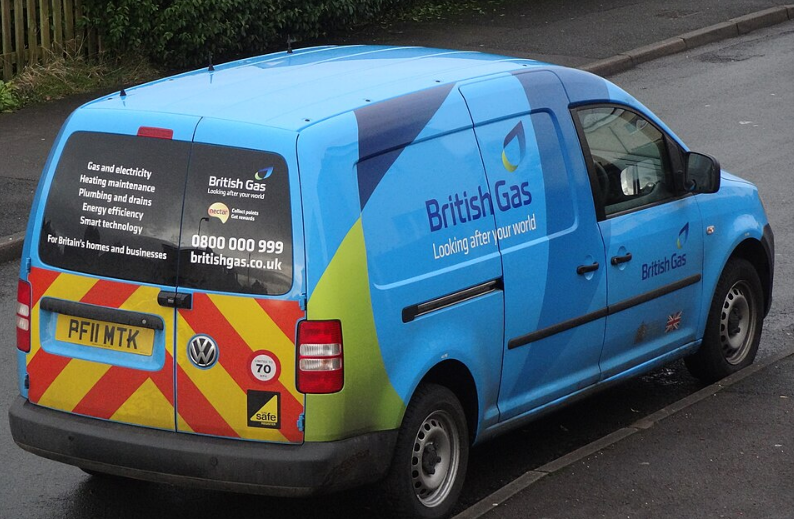
Centrica chief executive Chris O'Shea has warned that rising energy prices could leave more British households struggling to pay their bills as winter approaches. Speaking on Sunday, November 22, 2026, the head of British Gas's parent company expressed serious concern about an expected increase in January energy costs. His warning came days before the UK energy regulator was scheduled to announce its next household price cap.
Energy consultancy Cornwall Insight forecasts that the annual energy bill for a typical household could rise by £443, reaching £2,166 from January 1, 2027. That would represent a 26% increase from the current benchmark of £1,723.
The predicted increase comes at a difficult time for consumers, with colder weather driving greater demand for heating while families manage Christmas spending and other household expenses.
Centrica Boss Warns of Growing Payment Problems
O'Shea discussed the situation during an appearance on the BBC's Sunday with Laura Kuenssberg program.
He said he was "hugely concerned" about the financial pressure facing households and indicated that forecasts of a substantial January price increase appeared accurate.
The timing was a particular concern. Britain typically experiences its highest household energy consumption during the first three months of the year, when temperatures are lowest.
Many families will also be paying off Christmas expenses, placing further pressure on already stretched budgets.
O'Shea warned that the number of customers unable to afford their energy bills could increase significantly. He also distinguished between households experiencing genuine financial hardship and customers who choose not to pay.
Both situations create problems for energy suppliers attempting to recover outstanding balances.
The Centrica chief executive argued that unpaid bills ultimately affect other customers because suppliers must account for the costs when setting prices within the regulated market.
Energy Bills Could Rise by £443 a Year
Cornwall Insight published its latest forecast on November 18, predicting a substantial increase in the energy price cap for the first three months of 2027.
<text></text>
The consultancy estimated that the annualized cost for a typical household paying by Direct Debit would climb from £1,723 to £2,166.
The forecast represents the annual cost of energy at the applicable rates, rather than the amount households would necessarily pay during the three-month winter period.
Actual bills depend on the amount of gas and electricity used, the customer's region and the type of payment arrangement.
The price cap also does not place a fixed limit on a household's total energy bill. Instead, it restricts the maximum unit prices and standing charges suppliers can apply to customers on covered tariffs.
A household using more electricity or gas than the typical benchmark could therefore pay considerably more.
Around 20 million households in England, Scotland and Wales are affected by the regulated price cap.
Ofgem is scheduled to announce the official January-to-March cap on Wednesday, November 25. Until then, the projected 26% increase remains a forecast rather than a confirmed regulatory decision.
Middle East Conflict Pushes Wholesale Prices Higher
The anticipated increase follows rising wholesale energy costs during 2026.
The conflict in the Middle East has disrupted energy markets and increased uncertainty about international oil and gas supplies.
Britain remains exposed to changes in global gas prices, even though it produces some of its own natural gas and has expanded renewable electricity generation.
Natural gas continues to play an important role in electricity production and home heating. When wholesale gas becomes more expensive, the effects can spread throughout the energy system.
Ofgem has already increased its household energy price cap for the October-to-December period.
The regulator announced a 4% increase in August, raising the annualized benchmark for a typical household to £1,723.
The prospect of another much larger increase in January has heightened concerns about fuel poverty, especially among low-income households, older residents and people living in poorly insulated homes.
Unpaid Energy Bills Create Additional Pressure
Household energy debt has become another concern for suppliers and regulators.
According to Ofgem, the amount owed to energy companies by households reached approximately £5 billion during the April-to-June period of 2026.
O'Shea said unpaid bills create costs that are eventually shared across the wider customer base.
He estimated that the collective impact adds approximately £1.50 to £1.60 per week to electricity customers' bills.
That estimate reflects the broader costs associated with customers who cannot or do not pay, rather than an individually identified charge appearing on every household bill.
The growing debt burden has prompted calls for stronger financial assistance and better repayment arrangements.
Consumer advocates argue that customers experiencing genuine hardship need practical support rather than additional penalties that make repayment more difficult.
Government Offers Limited Financial Relief
The UK government has announced measures intended to reduce the burden of rising energy bills.
These include a £100 payment for eligible households and a temporary removal of value-added tax from domestic electricity bills.
The electricity VAT reduction began in October 2026 and is intended to provide savings during the winter.
However, consumer organizations have questioned whether the assistance will be sufficient if energy prices rise as sharply as predicted.
Citizens Advice described the £100 payment as a "drop in the ocean" for households already struggling with debt.
The organization warned that people facing serious financial difficulties may be unable to afford adequate heating despite the additional support.
Fuel Poverty Action also criticized energy company profits and called for stronger intervention from government and regulators.
These responses illustrate the competing pressures facing policymakers as they attempt to protect consumers while maintaining investment and stability in the energy sector.
Windfall Tax Remains a Separate Industry Dispute
The energy price warning comes amid continued debate over the taxation of oil and gas producers operating in the United Kingdom.
The government introduced the Energy Profits Levy in 2022 after companies benefited from unusually high energy prices following Russia's invasion of Ukraine.
The levy currently stands at 38%. Combined with existing taxes on UK oil and gas production, it creates a headline tax rate of 78% on applicable profits.
However, that rate applies to profits from oil and gas production. It is not a 78% tax on consumers' energy bills or the ordinary profits of household energy suppliers.
Industry representatives argue that the tax burden reduces incentives to invest in domestic oil and gas projects.
They contend that uncertainty over future taxation can make long-term investment decisions more difficult and discourage spending on infrastructure.
The government maintains that exceptional profits from high energy prices should make a fair contribution to public finances.
Under current policy, the Energy Profits Levy is scheduled to end by March 2030, although it could finish earlier if specified price conditions are met.
A permanent Oil and Gas Revenue Levy is being prepared to replace it during future periods of unusually high prices.
Households Await November 25 Price Cap Announcement
For consumers, the immediate issue is how much their energy costs will increase when the new year begins.
The official announcement from Ofgem will establish the maximum prices that suppliers can charge customers on covered tariffs from January through March 2027.
Households on fixed-rate contracts may not experience the same changes immediately, depending on their agreements.
The result will also help determine whether existing government assistance is sufficient to protect financially vulnerable customers.
O'Shea's warning adds pressure on policymakers, regulators and energy suppliers to address rising costs before the coldest months of winter.
With the price cap announcement approaching on November 25, millions of British households are preparing for the possibility of significantly higher gas and electricity bills in January.