

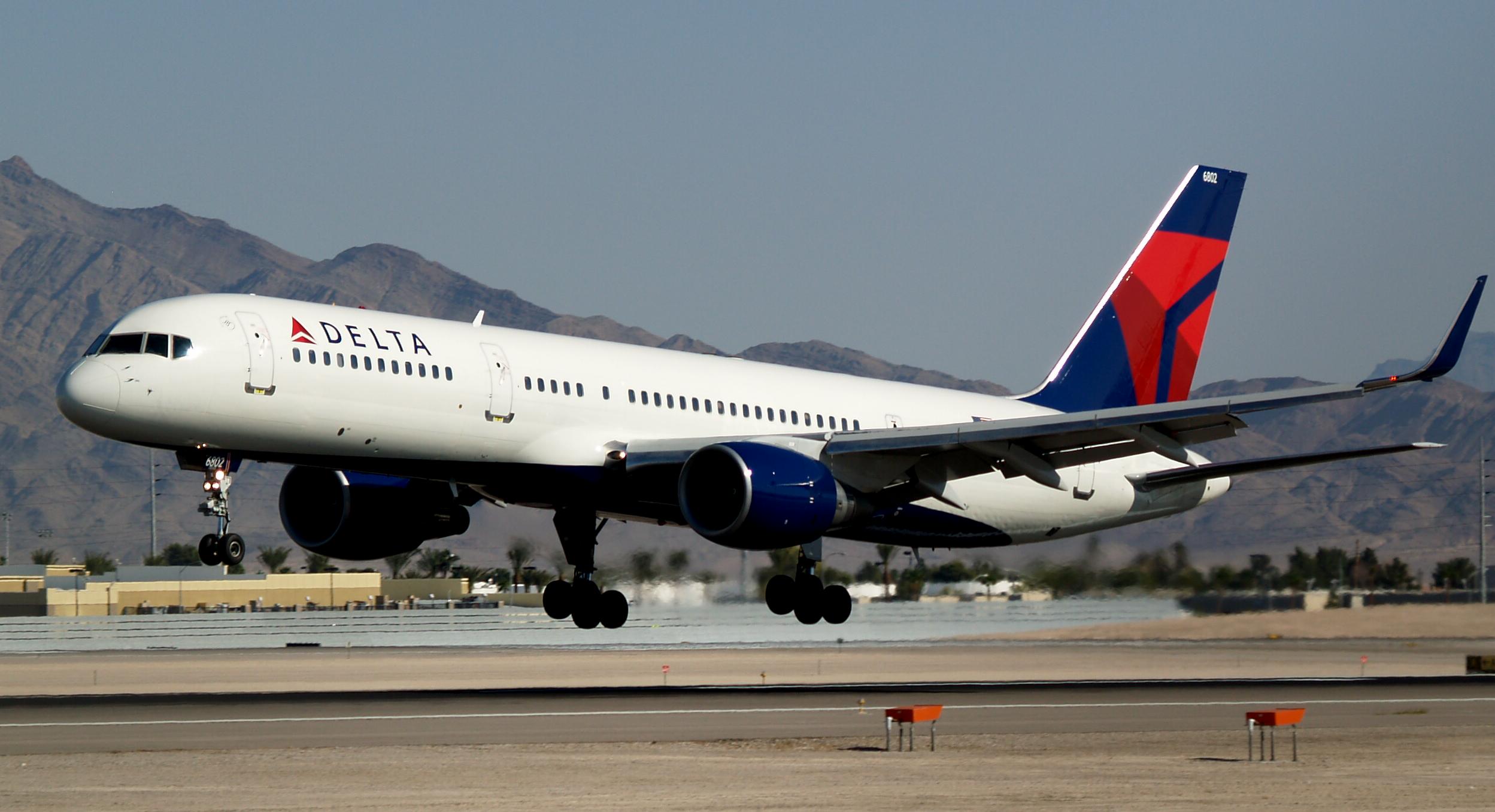
Delta Air Lines experienced widespread flight delays across the United States on Sunday, November 22, 2026, after a failure in its automated aircraft weight-and-balance system disrupted operations during the busy Thanksgiving travel period. By Sunday evening, approximately 2,000 Delta flights had been delayed, affecting travelers at airports nationwide. The airline restored the system later in the day, although passengers continued to experience disruptions as flight schedules recovered.
The technical problem prompted the Federal Aviation Administration to temporarily stop certain flights heading into Hartsfield-Jackson Atlanta International Airport, Delta's largest hub. The restriction was later replaced with a ground delay program before normal departures were permitted to resume.
Delta apologized to customers and said employees used manual procedures to keep flights operating safely while technicians worked to restore the automated system.
Nearly 2,000 Delta Flights Delayed Nationwide
Flight-tracking service FlightAware reported that approximately 58% of Delta's flights, or about 2,000 departures, were delayed by Sunday evening.
The airline said approximately 70% of its reported delays and cancellations were connected to the automation problem. The remaining disruptions were attributed mainly to unfavorable weather and related air traffic restrictions, particularly in the northeastern United States.
Earlier in the day, the number of affected flights had steadily increased as the operational problems spread through Delta's network.
The disruptions extended beyond Atlanta because aircraft and crews frequently operate multiple flights through different airports during a single day.
When one departure is delayed, the aircraft may arrive late for its next scheduled flight. Pilots and flight attendants can also be affected when their assignments depend on earlier flights operating on time.
These scheduling complications can continue after the original technical problem has been resolved.
FAA Temporarily Restricts Flights Into Atlanta
The FAA issued a ground stop on Sunday morning at Delta's request, temporarily preventing certain aircraft from departing for Atlanta.
The restriction applied to Delta and its regional partners operating flights into Hartsfield-Jackson from airports across the contiguous United States.
The agency later changed the ground stop into a ground delay program, allowing flights to depart according to staggered schedules.
FAA estimates indicated that delays could average approximately 57 minutes, with some approaching two hours.
The ground delay program was lifted at approximately 11:26 a.m. Eastern, according to aviation advisories.
Atlanta experienced particularly heavy disruptions because it serves as a major connecting point for Delta passengers traveling throughout the United States and internationally.
At one point, FlightAware reported delays affecting approximately 38% of departures from Hartsfield-Jackson and 36% of arriving flights.
Airport officials emphasized that the problem involved Delta's systems rather than a failure of the airport's overall operations.
Other carriers continued operating while Delta worked to restore its equipment.
What Caused the Automation Failure?
The disruption involved the computerized system Delta uses to calculate aircraft weight and balance before departure.
Airlines must determine whether an aircraft is operating within approved weight limits and whether its load is distributed correctly.
These calculations account for passengers, luggage, cargo and fuel.
The position of weight within an aircraft affects its center of gravity, which is important for safe takeoffs, landings and flight operations.
Automated tools allow airlines to process this information efficiently, particularly when preparing large numbers of flights.
When those systems are unavailable, employees may need to use approved manual procedures to perform the required calculations.
Delta confirmed that workers used such procedures on Sunday morning while technicians addressed the malfunction.
The airline emphasized that the alternative methods allowed aircraft to depart safely, although processing the information took longer than normal.
The precise technical cause of the failure had not been publicly established in the initial reports.
Delta Restores Systems but Delays Continue
By Sunday afternoon, Delta announced that its automated weight-and-balance calculations were functioning again.
The airline said employees continued working to restore schedules and assist travelers affected by the disruption.
The recovery involved more than restarting a computer system. Flights had to be reorganized, aircraft repositioned and passengers accommodated on available services.
Delta offered rebooking assistance and, where applicable, meal vouchers and hotel accommodations to eligible passengers.
The airline also encouraged customers to monitor flight information through its website and mobile application.
Travelers were advised to check their departure status before heading to the airport because schedules could continue changing.
The incident occurred during a particularly demanding period for airlines, with millions of Americans preparing to travel for Thanksgiving on November 26.
Hartsfield-Jackson officials expected approximately four million passengers to pass through the Atlanta airport during the broader holiday travel period.
Recent Airline Technology Failures Raise Concerns
Sunday's problems followed two other significant aviation technology disruptions earlier in November.
On November 13, a malfunction involving the FAA's air traffic control network triggered a nationwide ground stop lasting more than four hours.
That incident disrupted thousands of flights and affected passengers across the country.
The FAA subsequently identified problems involving its aging network infrastructure, bringing renewed attention to the reliability of air traffic control technology.
A separate technical failure affected United Airlines on November 16, disrupting operations and delaying departing flights.
Although the incidents occurred within a short period, authorities have not established that they were connected.
The FAA specifically stated that Delta's November 22 problem was unrelated to any malfunction of federal air traffic control systems.
That distinction is important because Delta's failure involved airline-operated equipment used in aircraft preparation, while the earlier nationwide ground stop involved the FAA's own infrastructure.
The events nevertheless demonstrate how technological disruptions can affect airline schedules across multiple airports.
Thanksgiving Travelers Face Additional Challenges
The disruption arrived as airlines entered one of their busiest travel periods of the year.
Thanksgiving traditionally produces heavy passenger traffic as families travel before and after the holiday.
Airlines generally increase staffing and coordinate additional operational support during these periods, but disruptions can still affect large numbers of travelers.
Passengers who miss connecting flights may face limited alternatives when available seats are already heavily booked.
Travelers are encouraged to review their airline's notifications, confirm connecting flights and keep important items in their carry-on luggage in case of unexpected delays.
Passengers whose flights are canceled or significantly changed may qualify for refunds under federal rules if they choose not to accept alternative transportation.
Additional assistance, including meals and hotels, depends on the circumstances of the disruption and the airline's published commitments.
By Sunday afternoon, Delta had restored the affected automation system, but recovering its nationwide flight schedule remained an ongoing task. The number of delayed flights continued to rise as the airline worked through the effects of the morning outage.