A loud boom shook buildings across several northeastern states on Saturday afternoon. People heard it in multiple U.S. states and two Canadian provinces. The cause was a meteor, and NASA has now confirmed what happened.
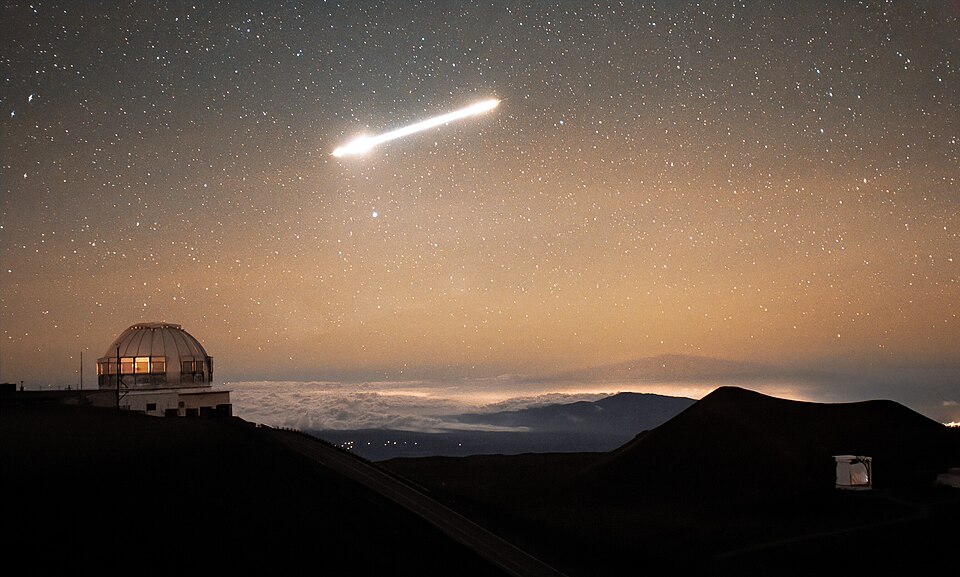
The fireball exploded at about 2:06 p.m. EDT on May 30, releasing the equivalent energy of roughly 230 tons of TNT. According to a report by Live Science, NASA shared an initial analysis stating that the meteor was about 5 feet, or 1.6 meters, in diameter. It was traveling at approximately 42,000 miles per hour when it hit the atmosphere. The friction was intense. The meteor broke the sound barrier as it split apart, and debris rained down onto Cape Cod.
No injuries were reported. No property damage was reported either, though onlookers described feeling buildings shake.
NASA estimated the meteor had a mass of about 5.6 metric tons before it broke apart. Objects that small are extremely difficult to track while still in space. NASA noted that small meteors also rarely survive the heat and pressure of falling through the atmosphere, which means they pose little real danger to populated areas.
The more serious threat comes from much larger space rocks. Near-Earth asteroids measuring more than 460 feet, or 140 meters, in diameter are sometimes called city-killers. Those objects are large enough to survive entry through the atmosphere and could cause massive destruction if they hit a populated area. NASA currently tracks more than 40,000 large asteroids in Earth's vicinity, though several thousand remain undiscovered. Next-generation asteroid tracking probes are expected to close that gap over the next decade.
Saturday's explosion was not an isolated event. On May 25, cameras captured a green fireball falling through the sky behind the erupting Mount Mayon volcano in the Philippines. On March 21, a cannonball-sized meteor chunk crashed through the roof of a Texas family's home, causing damage but no injuries. Just days before that, a 6-foot-wide fireball erupted over Ohio, also triggering a sonic boom.
NASA continues to monitor near-Earth objects as part of its planetary defense efforts, and the agency's analysis of the New England event is ongoing.