Women who experience menopause as a result of surgery face worse sexual and urinary symptoms than women who go through menopause naturally, according to a report by U.S. News and World Report.
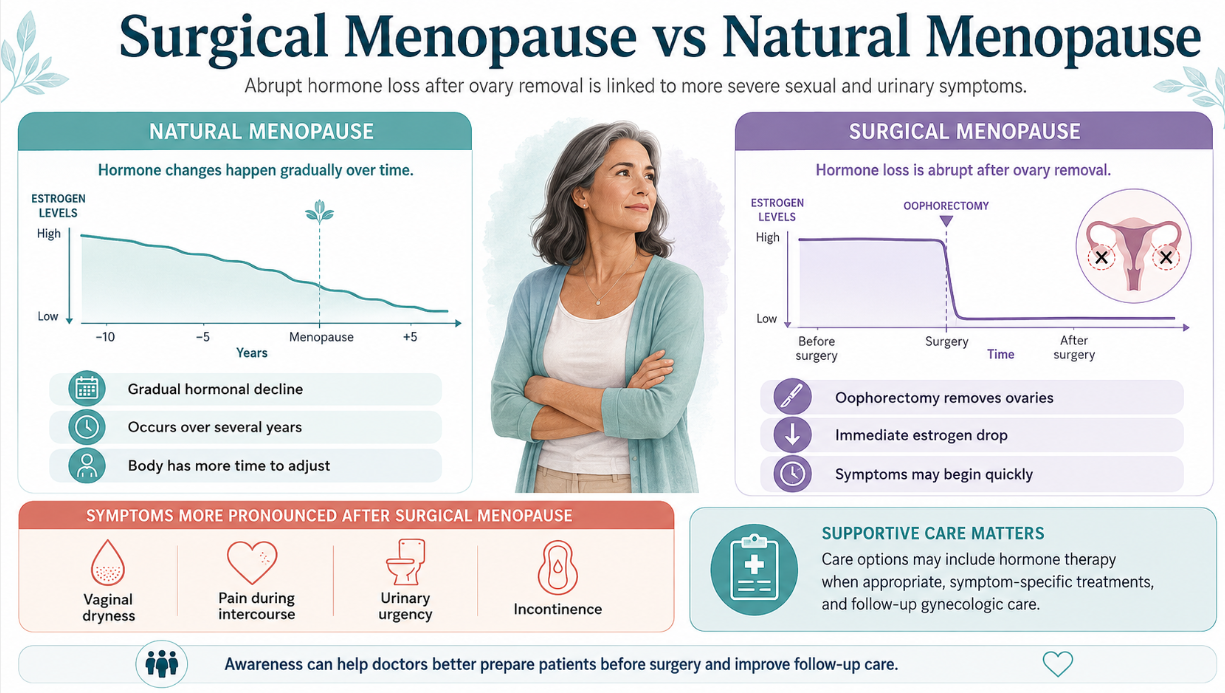
Surgical menopause occurs when a woman's ovaries are removed, a procedure called an oophorectomy. The removal causes an abrupt drop in estrogen and other hormones, which is different from the gradual hormonal decline that happens during natural menopause. That sudden shift appears to have a more pronounced effect on certain parts of the body.
The study found that women who had surgical menopause reported more significant problems with sexual function and urinary symptoms compared to women whose menopause occurred naturally with age. These symptoms can include pain during intercourse, vaginal dryness, urinary urgency, and incontinence, all of which are known to affect quality of life.
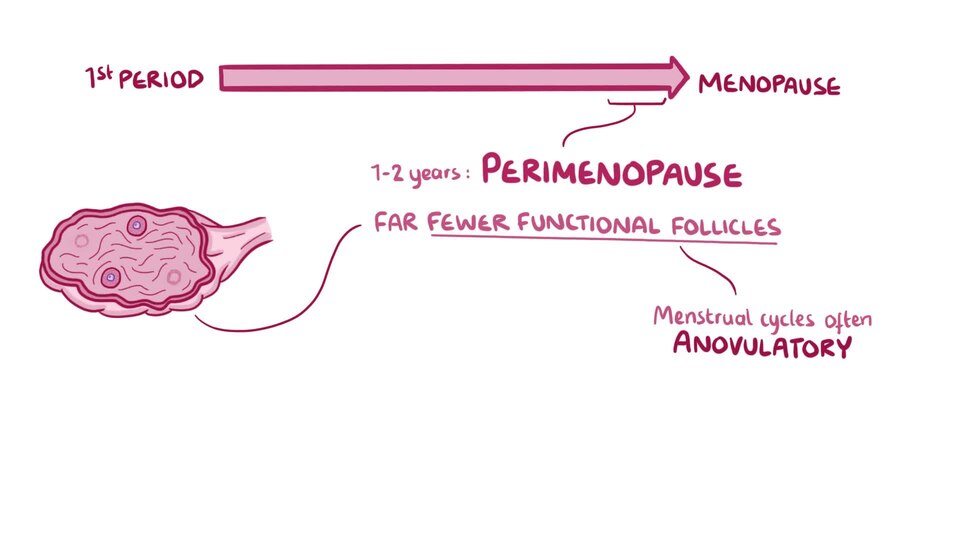
Natural menopause typically happens gradually over several years, giving the body more time to adjust to changing hormone levels. Surgical menopause removes that adjustment period entirely. The estrogen drop happens immediately after the operation, and symptoms can begin very quickly.
Oophorectomies are performed for a range of medical reasons, including treatment of ovarian cancer, prevention of cancer in women with high genetic risk such as those carrying BRCA gene mutations, and management of endometriosis or other conditions. The surgery can be necessary and even lifesaving, but the hormonal consequences are significant and not always fully discussed with patients beforehand.
Hormone replacement therapy is one option that some women use to manage symptoms after surgical menopause, though it is not appropriate for every patient, particularly those who had hormone-sensitive cancers. Other treatments exist for urinary and sexual symptoms specifically, and gynecologists often work with patients to find approaches that fit their medical history.
The research adds to existing evidence that surgical menopause carries distinct health consequences that differ from what women experience through the natural aging process. Awareness of those differences may help doctors better prepare patients before surgery and improve follow-up care afterward.